
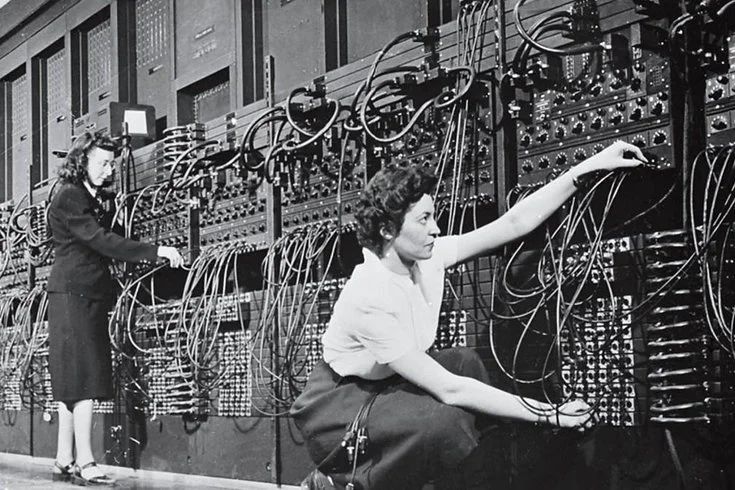

In the Fourth Industrial Revolution (4IR), as AI, Blockchain, IoT and Big Data redefine every value, women’s participation is not only a matter of social equity but a core driver for building a humane and sustainable technological future.
From adapting to leading change
Women around the world are making a historic shift: from adapting to technology to leading and driving it. Their presence brings multiple perspectives, increasing inclusiveness and reducing systemic risks in technical development.
In artificial intelligence (AI) in particular, the participation of women experts is essential to limit algorithmic bias, where machine learning models absorb biases from input data and produce results that discriminate by gender, race or social status.
However, the gender gap in STEM (Science, Technology, Engineering and Mathematics) remains a major challenge. According to the Global Gender Gap Report 2025 by the World Economic Forum (WEF) and UNESCO, women make up only about 28-33% of the global STEM workforce. Their share of the AI workforce is even lower, at just 22 – 30%. In deep tech, women hold only about 10 – 15% of leadership positions.
Closing this gap is not only a social goal but also an economic one, as gender-diverse teams have been shown to deliver far stronger innovation performance.
Outstanding figures shaping the future
The history of science and the development of modern technology bear the strong imprint of extraordinary women.
Marie Curie (1867 – 1934): A monument to dedication and pioneering spirit
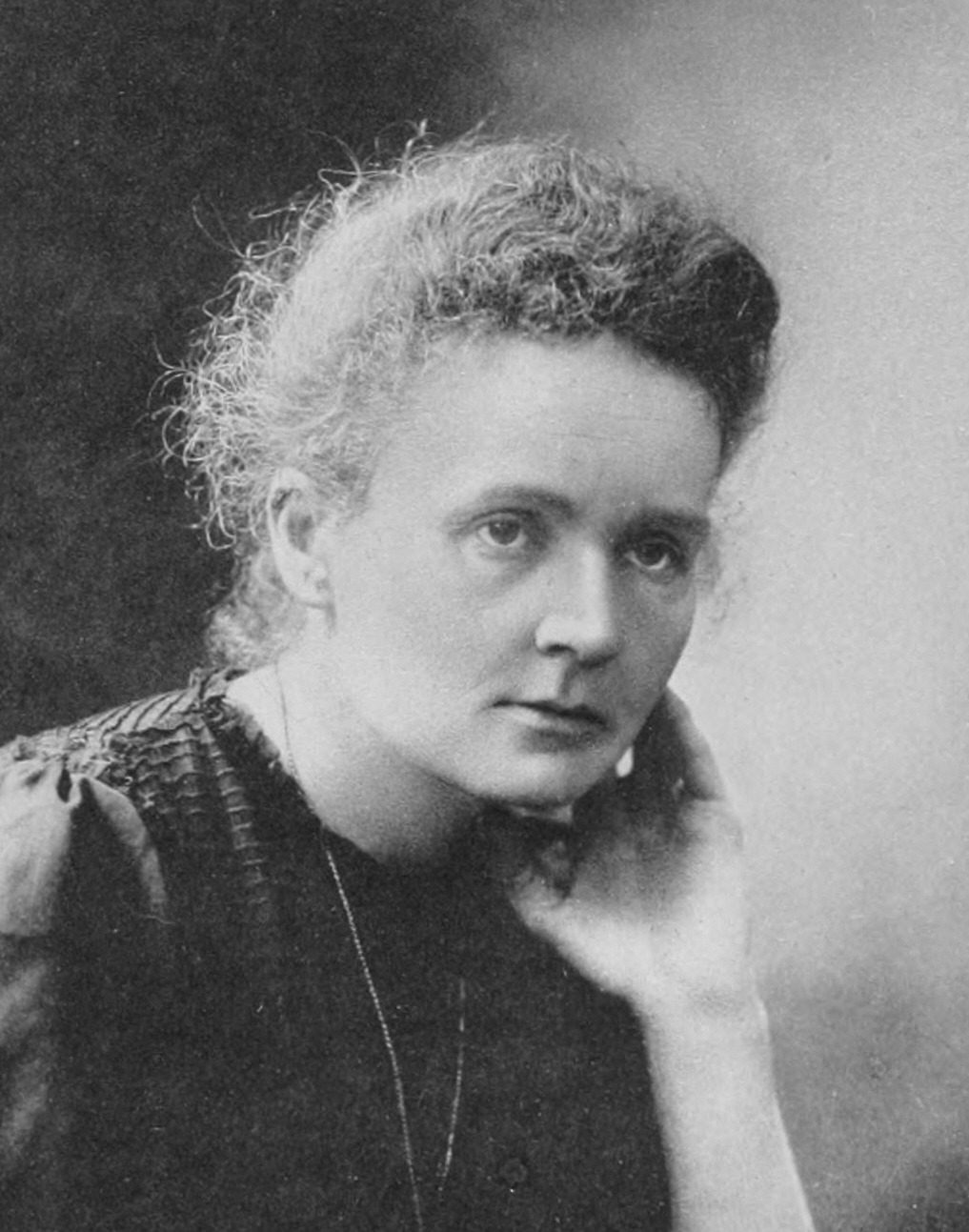
Marie Curie was a Polish-born French physicist and chemist who conducted pioneering research on radioactivity. She was the first woman to win a Nobel Prize, the first person to win the Nobel Prize twice, and the only person to win Nobel Prizes in two different sciences, Physics and Chemistry.
Marie Curie received the 1911 Nobel Prize in Chemistry for discovering the elements polonium and radium and developing techniques to isolate radioactive isotopes, an important contribution to laying the foundation for today’s radiotherapy for cancer tumours.
Marie Curie’s life is a testament to selfless dedication to the advancement of knowledge.
Ada Lovelace (1815 – 1852): Architect of the first algorithm

Ada Lovelace was a mathematician and writer who made significant contributions to computer science in the 19th century.
She is recognised as the world’s first computer programmer and celebrated as a pioneer for women in STEM (Science, Technology, Engineering and Mathematics).
History also shows that Ada Lovelace was a woman whose vision was far ahead of her time. She predicted that computers could compose music or carry out complex scientific analysis, laying the conceptual foundation for the entire field of computer science today. In her 1843 Notes, she described a recursive algorithm for calculating Bernoulli numbers using storage (Store) and processing (Mill) structures, precursors of modern computer architecture.
The Ada programming language, developed by the US Department of Defense in the 1970s, was named after her in recognition of her pioneering role and great contributions.
Lovelace’s life and work are celebrated as those of a rare female pioneer in STEM at a time when women’s participation in science and mathematics was limited and often discouraged.
Nguyen Thi Binh (1927 – ): A symbol of Vietnamese resolve and intellect
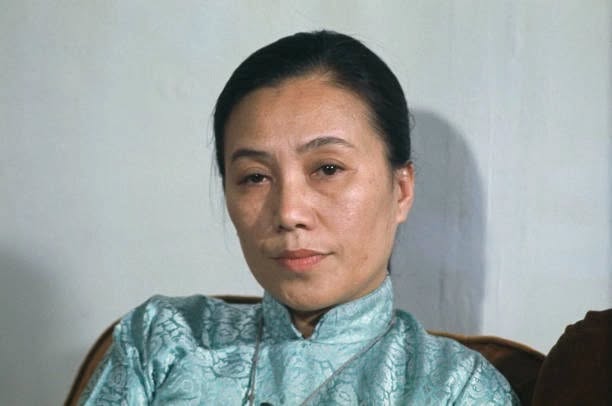
Madam Nguyen Thi Binh (born Nguyen Thi Chau Sa on 26 May 1927) is not only an outstanding diplomat but also a brilliant symbol of Viet Nam’s “soft power” on the international stage. As head of the negotiating delegation at the Paris Peace Conference (1969–1973), she demonstrated sharp political acumen and strategic thinking, helping to change the course of history and leading to the signing of the Paris Peace Accords in 1973.
Beyond being a witness to history, she is also a pioneering role model for women in senior leadership, demonstrating a perfect combination of humane intellect and extraordinary determination. Her legacy is an endless source of inspiration about the leadership capacity of Vietnamese women at decisive moments for the nation and the era.

Ginni Rometty (1957 – ): Reshaping the IBM empire
Ginni Rometty is widely known as CEO of IBM from 2012 to 2020. During her tenure, she made bold changes to reposition IBM for the future, investing in high-value segments of the IT market and building key capabilities in hybrid cloud, security, quantum computing, data and artificial intelligence.
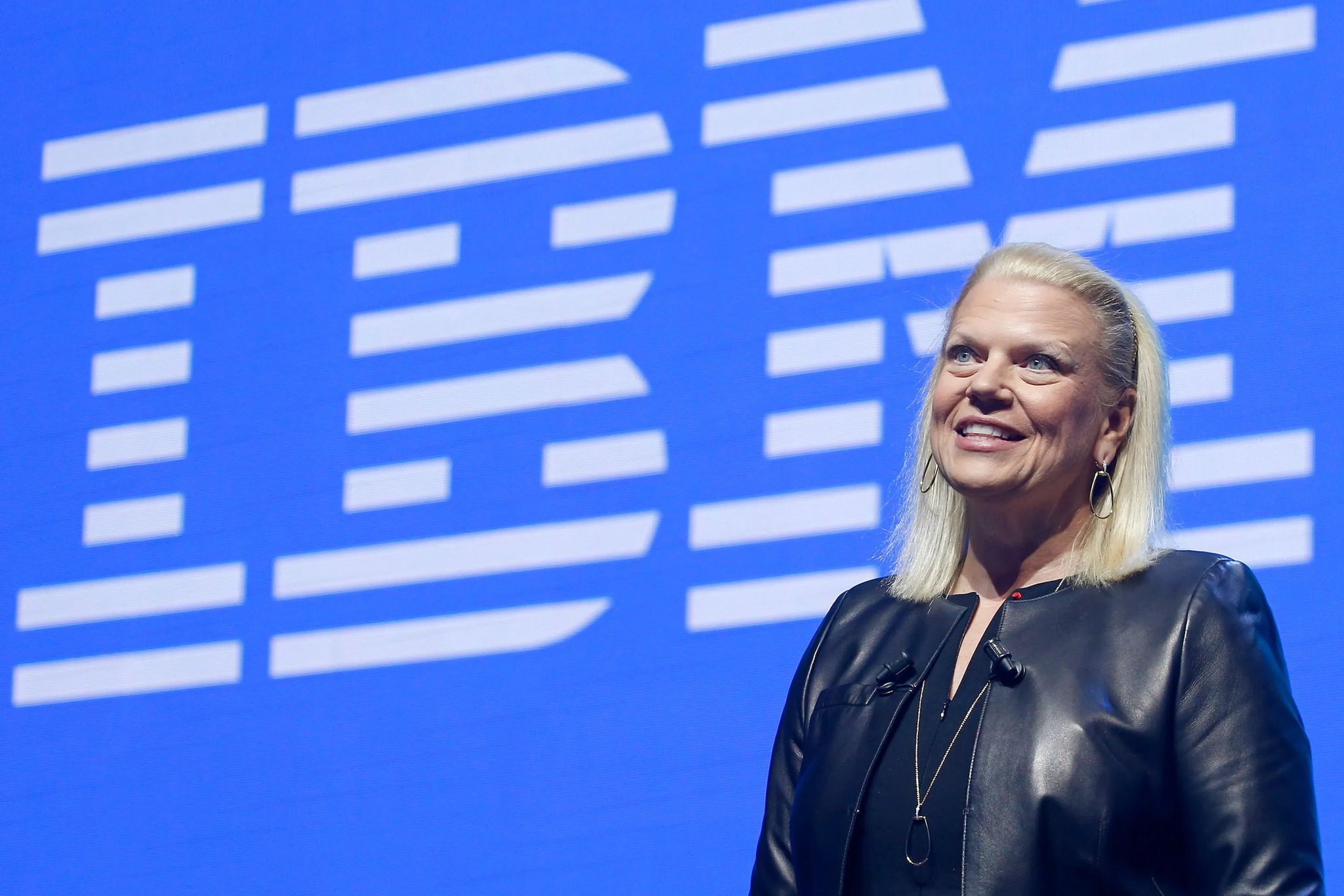
Ginni Rometty was instrumental in taking the Watson AI system out of the research lab and turning it into a practical tool across core industries such as healthcare, finance and energy.
She initiated an education model linking digital skills with career opportunities in 28 countries and coined the concept of “New Collar jobs”, focused on practical skills rather than traditional degrees.
Through the P-TECH education system she launched, millions of students in more than 28 countries have gained access to in-depth digital skills pathways, creating an abundant workforce for high-tech sectors such as cybersecurity and data analytics.
Fei-Fei Li (1976 – ): “Godmother” of the modern AI era
Fei-Fei Li is an American scientist known as the “godmother” of AI, renowned for her breakthrough contributions to computer vision.
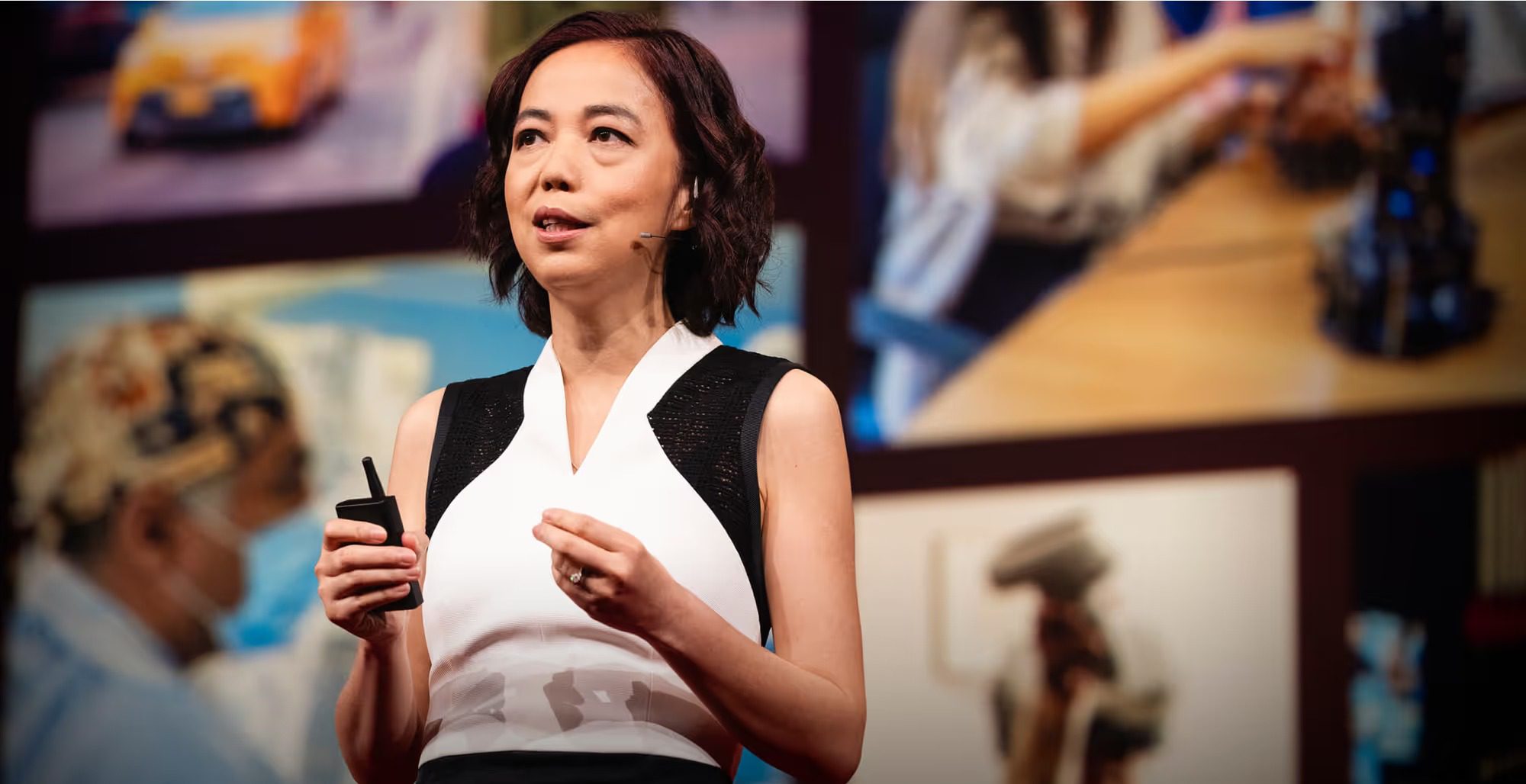
The ImageNet project she led revolutionised image recognition by creating a large database that enabled machines to recognise and classify objects accurately, helping to train deep learning models and advance tasks such as object detection, facial recognition and image classification.
With a database of more than 14 million labelled images, her ImageNet project helped reduce computer recognition error rates dramatically, from 15% (2012) to below 3% (2017).
Her contributions have enabled advances in artificial intelligence, autonomous driving, medical diagnosis and smart security systems, benefiting society as a whole.
Towards an inclusive innovation ecosystem
Technology only reaches its full value when it serves everyone in society. Gender diversity in research and leadership is not only a matter of social equity but a smart strategy for driving sustainable innovation.
In Viet Nam, with women making up about 47% of the R&D workforce (according to the Ministry of Science and Technology), we have a solid foundation. However, to fully realise the potential of the 4IR, empowering women further in emerging fields such as AI and semiconductors is a key task.
Women are not just part of the future; they are the ones directly designing and building that future to be fairer and more humane.