As digital finance, artificial intelligence (AI) and blockchain architecture increasingly shape the next phase of global economic development, technology ambitions are measured not only by policy direction but also by businesses’ ability to turn those ambitions into deployable systems. At the World Economic Forum’s (WEF) 56th Annual Meeting in Davos–Klosters, Switzerland, the Ho Chi Minh City delegation worked towards both goals.
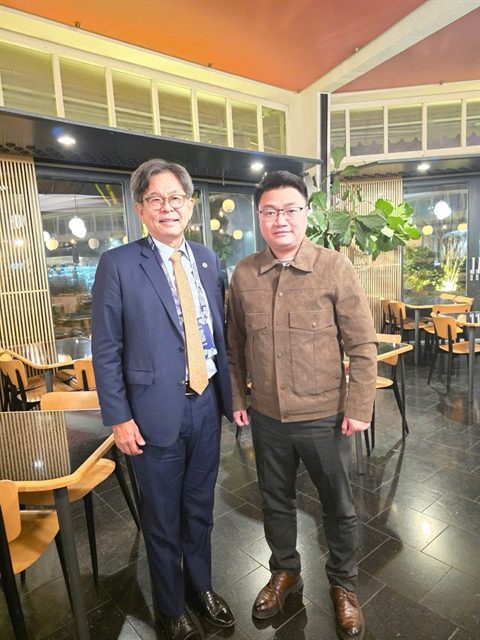
As part of its Davos programme, the city organised a series of side events to strengthen international cooperation in science, technology, innovation and digital transformation.
The trip was linked to a broader external strategy for developing the new Ho Chi Minh City megacity, aiming to promote the city as a dynamic economic hub and attractive innovation destination in Southeast Asia, while expanding partnerships with international organisations, governments, financial institutions and leading technology groups.
The delegation, led by Vice Chairman of the Ho Chi Minh City People’s Committee Hoang Nguyen Dinh, included senior representatives from the Department of Foreign Affairs, the Centre for the Fourth Industrial Revolution Ho Chi Minh City (HCMC C4IR), the executive agency of the International Financial Centre (IFC) and businesses operating at the intersection of finance and technology. Participating companies included Exabyte, along with HD Bank, TTC AgriS, Sky Mavis and Tether.
Designed with a clear strategic focus, the activities aimed to maximise connections between the city and global partners through bilateral engagements, thematic policy dialogues and public-private exchanges. Discussions focused on capital market development, green finance and digital finance linked to digital technology, blockchain and digital assets, areas closely aligned with the city’s roadmap for building the IFC.
From policy vision to operational platforms
Within this broader strategy, businesses such as Exabyte illustrate how Ho Chi Minh City’s technology ambitions are being turned into concrete, deployable systems. Going beyond policy direction, the company has developed a blockchain- and AI-based ecosystem aimed at practical applications, particularly in the city’s priority areas such as digital finance, supply chain traceability and cross-border trade.
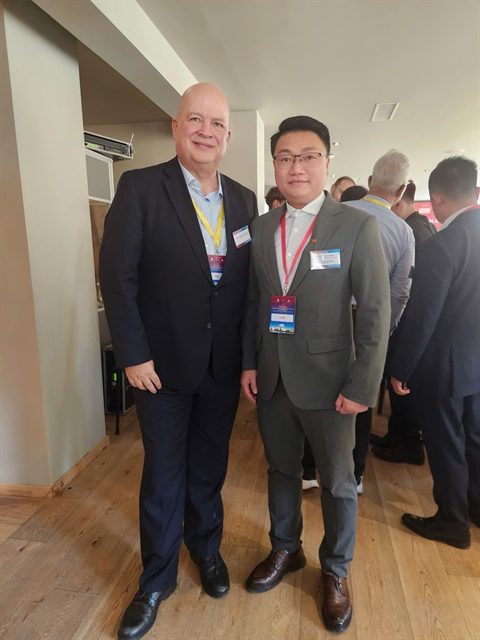
According to its January 2026 performance report, Exabyte has completed major infrastructure upgrades to its blockchain network, maintaining a stable throughput of one block per second with continuous 24/7 transaction processing. The company said the platform is capable of supporting large-scale commercial applications and real-time transaction needs.
Beyond infrastructure, Exabyte is positioning artificial intelligence as its second growth driver, with three main application lines close to deployment: AI-powered multilingual translation designed to be integrated into the Agrichain platform to support exports; adaptive AI models for cryptocurrency and foreign exchange trading that analyse market volatility and macroeconomic news; and agentic AI systems for logistics to automate decision-making, coordinate smart warehouses and optimise agricultural supply chains.

Built on a full multi-tenant architecture with detailed permission matrices, the Agrichain platform is described as a comprehensive traceability solution supporting export standards, QR code payments and legally compliant invoicing. The company says the system is ready for commercialisation, with plans for web production, pilot deployment and a mobile app launch to synchronise the user experience across devices.
From the city’s perspective, platforms such as Exabyte’s show how Ho Chi Minh City’s push towards an IFC and a digital economy can be anchored by practical, exportable technologies, reflecting the pillars highlighted on the Davos agenda: fintech, data, AI and trusted digital systems.
Strengthening international cooperation
During the Davos programme, the Ho Chi Minh City delegation held many bilateral meetings with international partners to explore cooperation opportunities aligned with the city’s long-term development priorities. Meetings took place with representatives of international financial institutions, technology groups and innovation organisations to discuss cooperation in fintech, AI, blockchain and digital infrastructure.

These activities reflect a broader effort to bring Ho Chi Minh City into step with global technology flows while strengthening the institutional foundations needed for advanced digital industries.
The Davos trip, particularly its dedicated IFC programme, is expected to raise Ho Chi Minh City’s global economic and financial standing and lay an important foundation for attracting international resources, fostering long-term partnerships and supporting fast, sustainable development in the years ahead.
Vietnam News