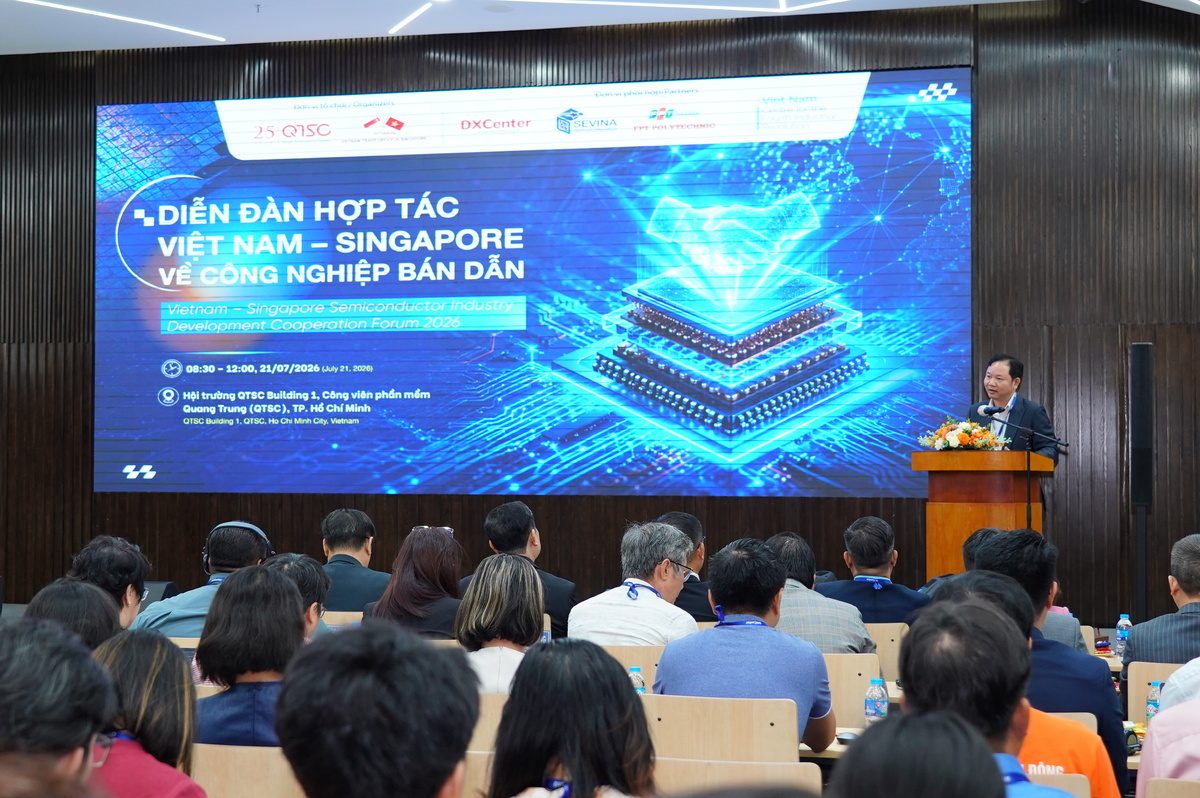

In his opening remarks, Mr. Cao Xuan Thang, Commercial Counselor at the Vietnam Trade Office in Singapore, highlighted that bilateral trade between the two nations reached nearly SGD 40 billion in 2025, a 26.2% increase compared to 2024 and a record high. According to Mr. Thang, this serves as a strong foundation for both sides to expand cooperation into the semiconductor sector, particularly as Vietnam increasingly attracts international investors with its stable environment, young workforce, and preferential policies.
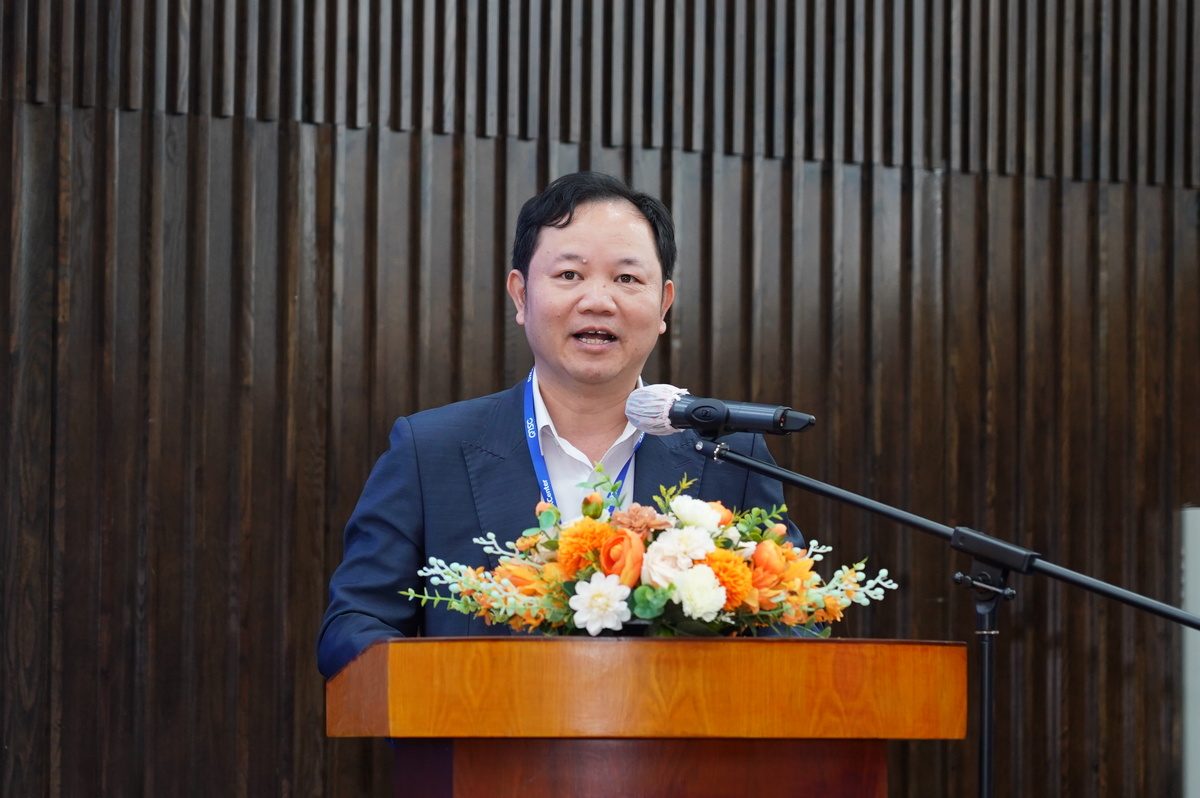
Addressing the forum, Mr. Tran Huu Dung, CEO of Quang Trung Software City Development Company Limited (QTSC), stated that the world is entering an era where the semiconductor industry serves as the foundation for artificial intelligence, high-performance computing, data centers, and most strategic industries. With established guidelines, Vietnam now has the opportunity to integrate more deeply into the global semiconductor value chain.
At the municipal level, Mr. Dung noted that Ho Chi Minh City is implementing a scheme to develop and expand its network of concentrated digital technology zones, aiming to create specialized spaces for strategic technology sectors. With over two decades of experience operating technology parks, QTSC has been tasked by the city to research and propose development models for these new specialized digital zones. These models will integrate technical infrastructure, services, and an innovation ecosystem. Notably, semiconductors are a priority sector, with plans to establish spaces dedicated to R&D, IC design, testing, packaging, manufacturing, and supporting supply chain development.
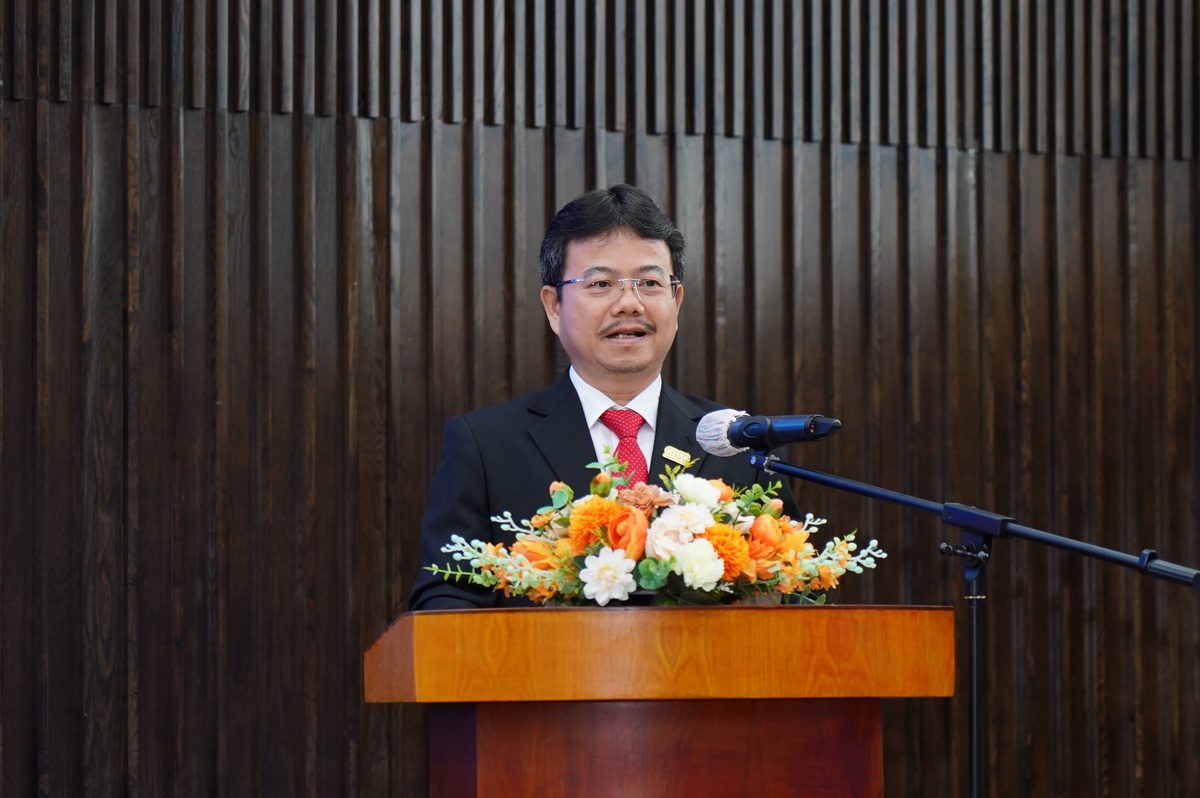
Mr. Dung emphasized that the goal is not merely to attract individual projects but to build a cohesive ecosystem where enterprises, universities, research institutes, investment funds, and international partners co-create value. In the technological era, he argued, a nation's competitive advantage stems not only from its policies or infrastructure but also from its ability to bind businesses, technology, and human resources into a unified entity.
In this spirit, he affirmed QTSC's commitment to continuing its role as a "bridge between policy and the market, research and production," as well as between enterprises and universities, research institutes, and international partners, contributing to transforming HCMC into a regional semiconductor hub.
HCMC shapes its semiconductor ecosystem
Kicking off the professional discussion session, Mr. Ly Minh Tuan, Head of the Digital Economy - Digital Society Division under the HCMC Department of Science and Technology, presented on Vietnam's semiconductor industry development strategy in the digital age and the city's investment attraction policies.
According to Mr. Tuan, following the expansion of its development space, HCMC is evolving into a multi-centric megacity covering over 6,700 square kilometers, with a population exceeding 14 million and an estimated 2025 GRDP of roughly USD 123 billion. This new space allows for the integration of high-tech parks, industrial zones, logistics systems, and seaports with a network of universities and research institutes into a unified innovation ecosystem.
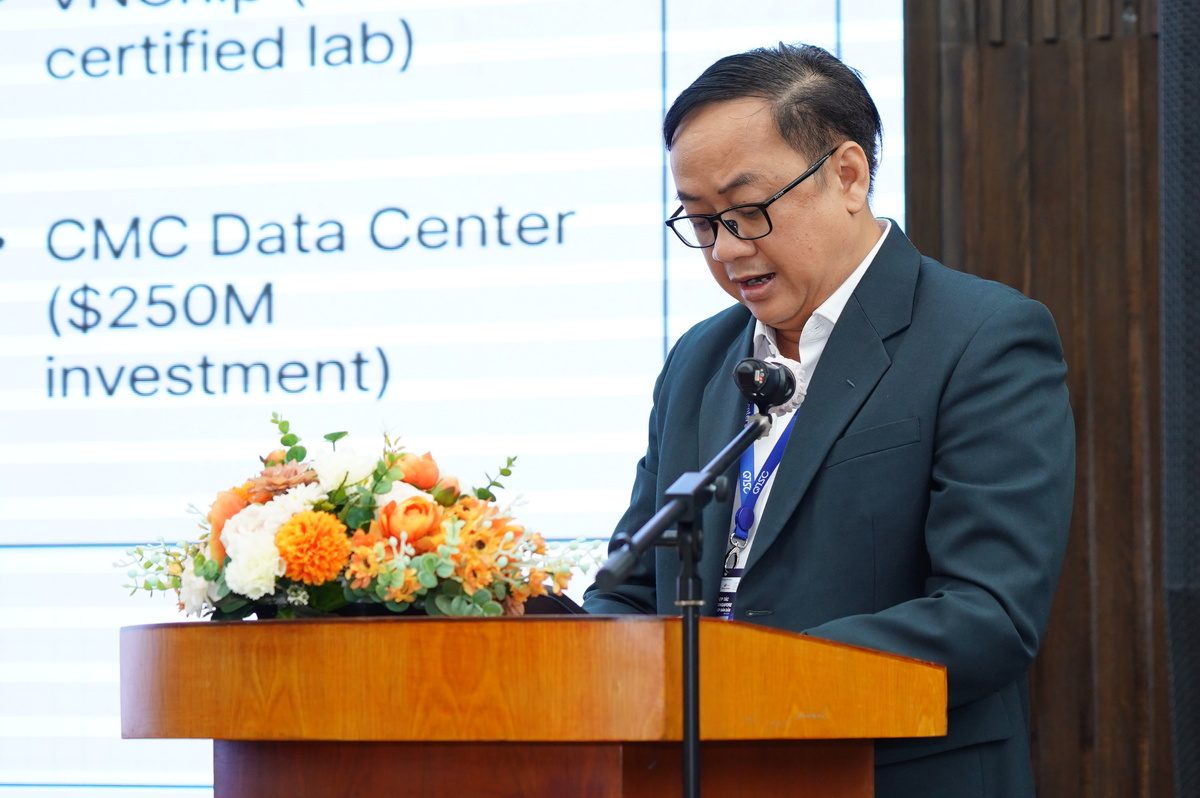
Regarding industry scale, the city currently leads the country with 54 foreign direct investment (FDI) projects in semiconductors, boasting a total registered capital of over USD 5.1 billion. This cluster includes industry giants such as Intel, Marvell, Renesas, Ampere, and BESI in IC design, packaging, testing, and equipment manufacturing. Many missing supply chain links are also being filled through Ultrasil LLC's wafer plant, VNChip Technologies' IC design center, and CT Semiconductor's chip packaging and testing facility.
This physical growth is accompanied by a support mechanism system under Resolution 98/2023/QH15, Resolution 260/2025/QH15, and the 2025 Digital Technology Industry Law, which incentivize investments in R&D, IC design, semiconductor materials, and chip manufacturing. The city aims to train at least 9,000 workers with university degrees or higher for the semiconductor industry by 2030, while simultaneously researching the establishment of an IC Design Human Resources Development Fund.
Regional trends: Market expansion outpaces ecosystem capacity
From a regional perspective, Mr. Ang Wee Seng, Executive Director of the Singapore Semiconductor Industry Association (SSIA), observed that artificial intelligence will be the industry's most significant growth driver over the next decade. The demand for high-performance chips, memory, and advanced computing solutions is surging, pushing the projected global semiconductor market size to approximately USD 1.51 trillion in 2026.
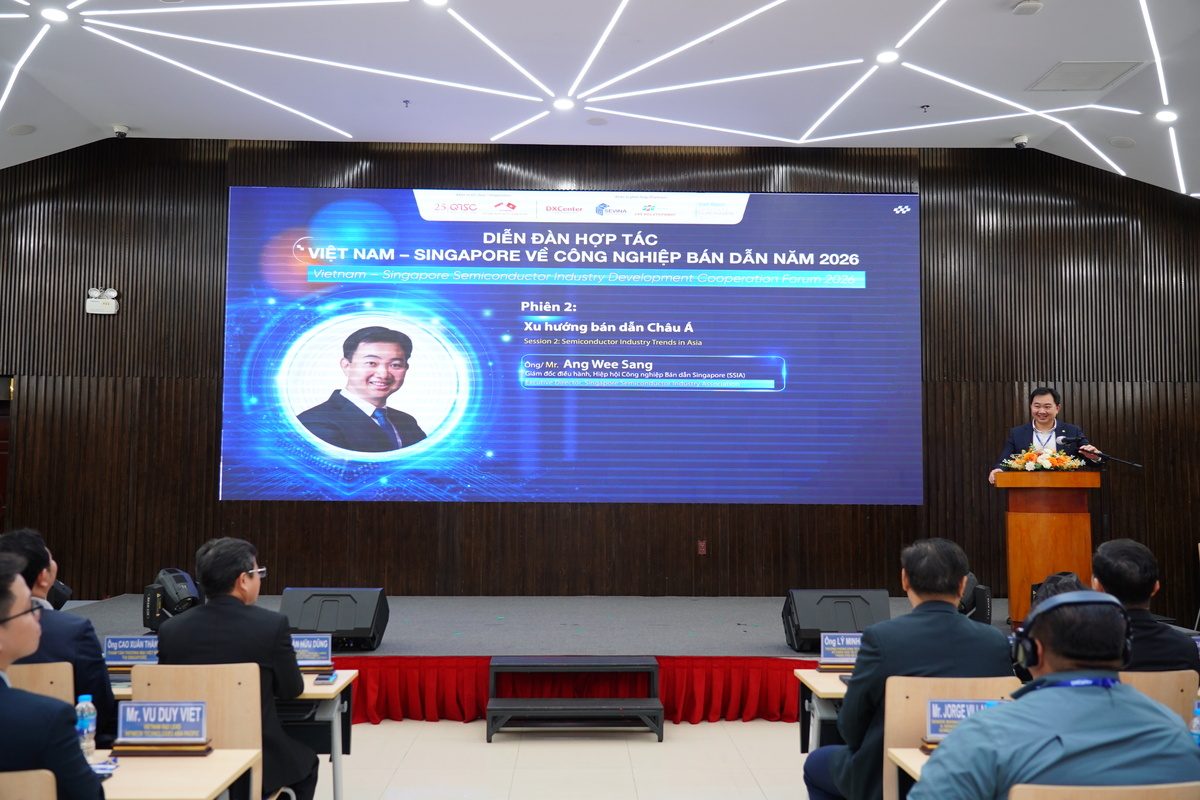
He noted that supply chain shifts do not merely demand production capacity but compel nations to invest synchronously in infrastructure, human resources, innovation, and international collaboration. The bottleneck in the coming period, therefore, lies not in demand but in foundational resources. This presents an opportunity for ASEAN to become a destination for high-tech capital inflows, provided the region leverages its collaborative advantages—with Singapore excelling in advanced manufacturing, equipment, and R&D, and Vietnam holding strengths in design, packaging, testing, and electronics scale.
Choosing the right stepping stone instead of joining the most expensive race
The question of how Vietnam can deeply participate in the global semiconductor value chain was addressed by Mr. Bui Trung Hieu, Expert at HCMC C4IR, in his presentation on value chain connectivity.
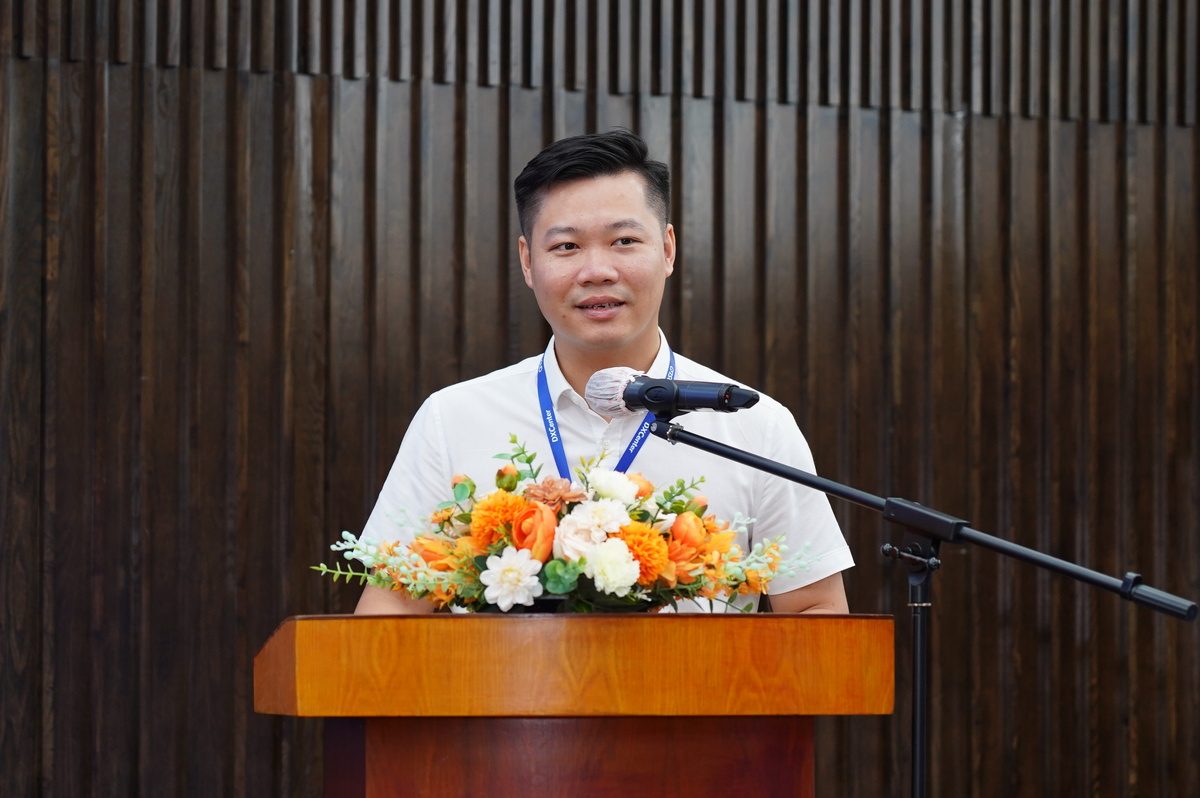
Drawing on the experiences of Taiwan, South Korea, Malaysia, and China, Mr. Hieu argued that there is no single development model, but successful economies all choose the right starting point based on their unique advantages rather than spreading investments thin. Vietnam currently enjoys numerous favorable conditions: a geostrategic position in the supply chain, a young engineering workforce, the presence of FDI enterprises in packaging and testing, and an improving investment climate. However, gaps in leading enterprises, design capacity, the materials industry, technical infrastructure, and supporting supply chains must still be addressed.
He specifically highlighted the challenge of investing in wafer fabrication plants (fabs). According to Mr. Hieu, a fab project is only truly viable when the market is large enough to ensure stable output; without established clients and a supporting ecosystem, massive capital expenditures can become a burden rather than a catalyst. Consequently, he proposed the principle of letting the market drive capacity, using businesses' actual needs as the basis for investment decisions. "Vietnam does not need to chase the most expensive race," he stated, adding that the key is to select the right stepping stone to scale up efficiently.
Perfecting the supply chain from the material foundation
Delving into a core manufacturing link, Mr. Jorge Villalobos, General Manager of Ultrasil LLC (USA) and Senior Advisor at Ultrasil Semiconductor Solutions JSC, discussed silicon wafers, the foundational material for the entire chip manufacturing industry.
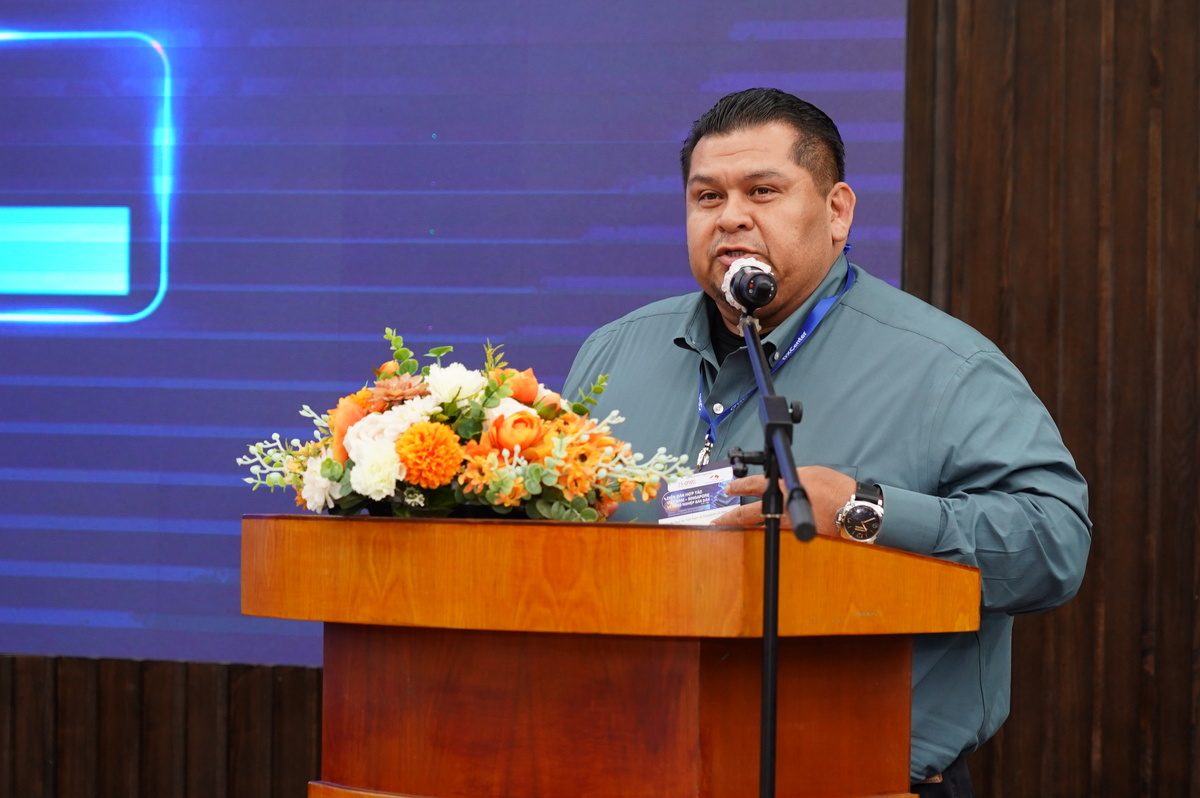
He explained that the momentum of AI, cloud computing, data centers, smart vehicles, and connected devices will keep semiconductor demand high for years, placing immense pressure on the global wafer supply. Vietnam has established a foothold in assembly, packaging, and testing, but to increase value, it must gradually expand into higher-tech segments, including wafer and semiconductor material production. Developing this capacity will not only meet domestic demand but also contribute to diversifying the global supply as corporations seek investment locations outside traditional manufacturing hubs.
Ultrasil announced its long-term partnership strategy in Vietnam through silicon wafer, SOI wafer solutions, and wafer recycling technologies. The enterprise is currently building an R&D and pilot production line at QTSC, featuring a 1,200-square-meter facility with a Class 100 clean room.
Human resources are the deciding factor for long-term competitiveness
Mr. Tran Van Nam, Vice Chairman of SEVINA and Director of FPT Polytechnic HCMC, emphasized that the gap between corporate demand and workforce capacity remains a major industry challenge. Semiconductor training, he argued, cannot stop at theoretical knowledge; it must be tied to practical requirements, enabling graduates to immediately engage in design, testing, packaging, and production processes.
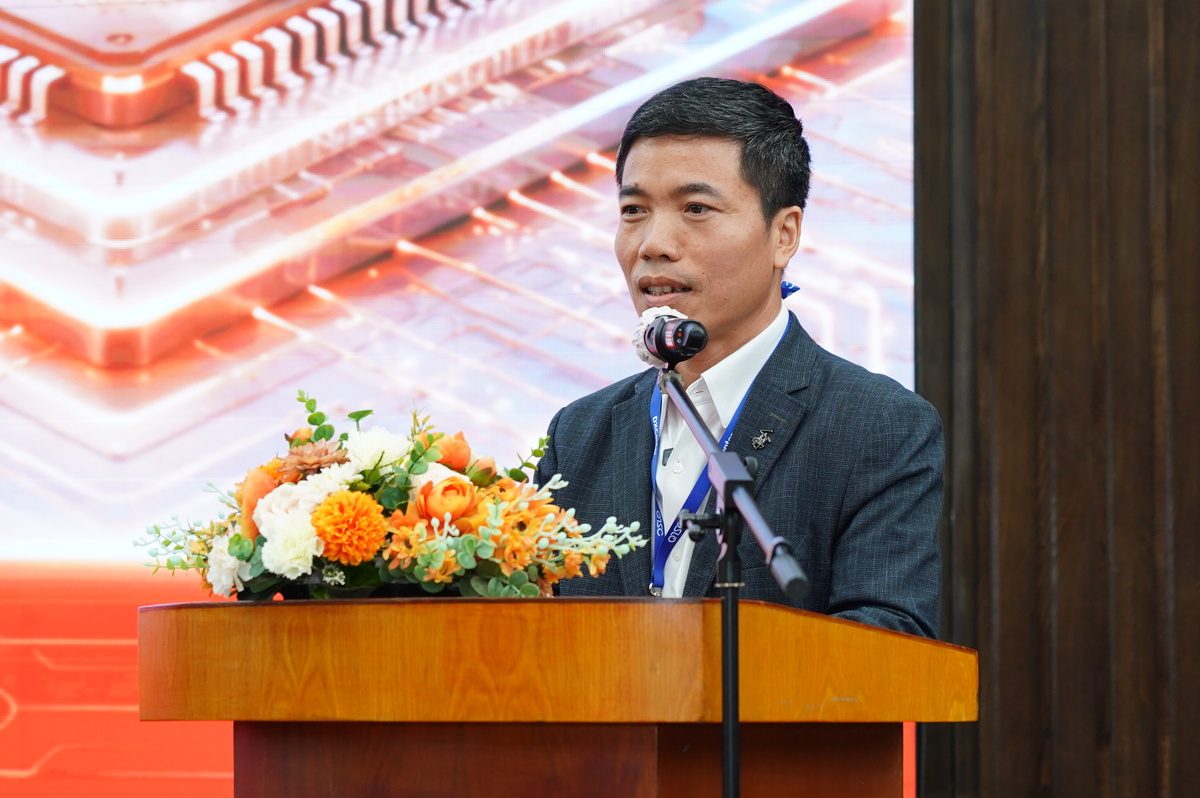
The workforce landscape of both countries clearly illustrates a strong basis for collaboration. Vietnam possesses a young and abundant labor force but lacks international training standards and factory operation experience; Singapore has a highly systematic training framework but is constrained by the scale of its young technical workforce. Against this backdrop, SEVINA and FPT Polytechnic are promoting a collaborative model among schools, enterprises, and international organizations. This aims to align training programs with industry standards, enhance hands-on practice, develop laboratories, and expand cooperation with Singaporean businesses and regional partners.
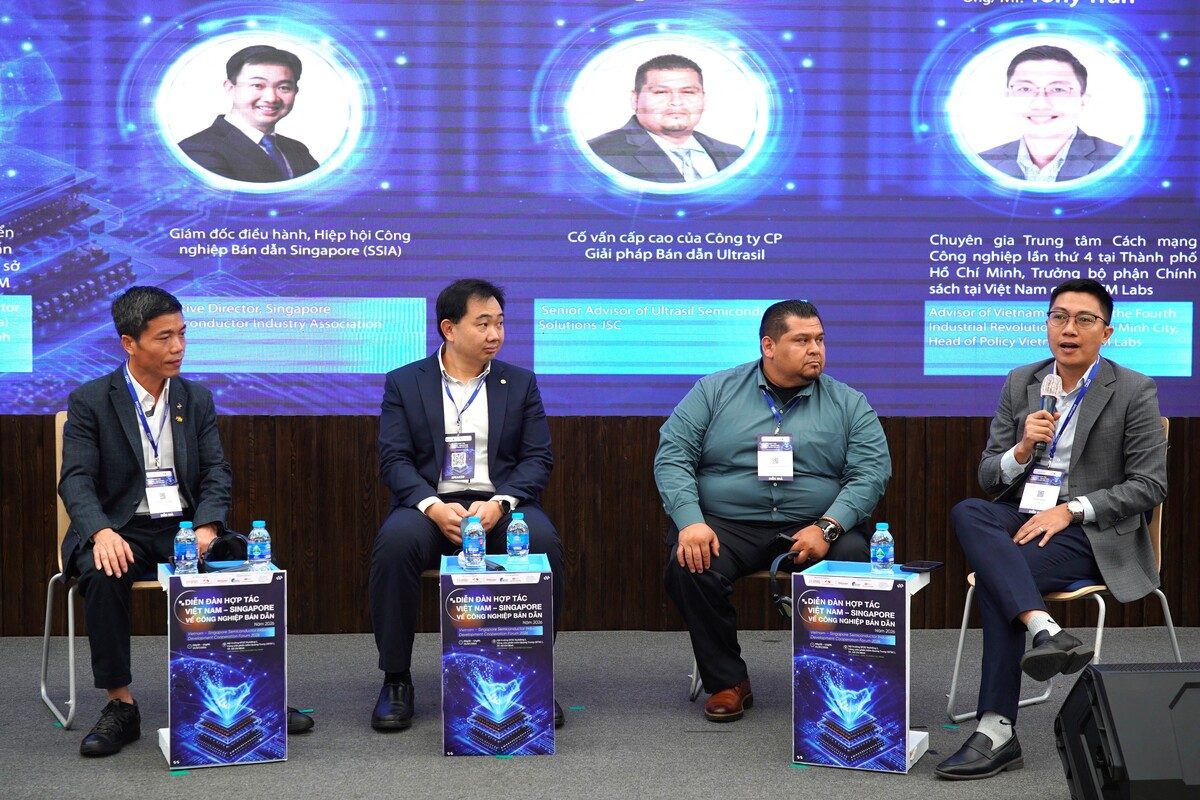
Also within the forum's framework, a panel discussion titled "Vietnam – A new destination for the global semiconductor industry" was held, featuring regulators and business representatives from both countries and moderated by Mr. Tony Tran, HCMC C4IR Expert. By co-organizing, contributing specialized presentations, and moderating dialogues, HCMC C4IR continues to cement its position as a bridge between the State, enterprises, and academia—both domestically and internationally—while prioritizing the semiconductor sector as a core focus.
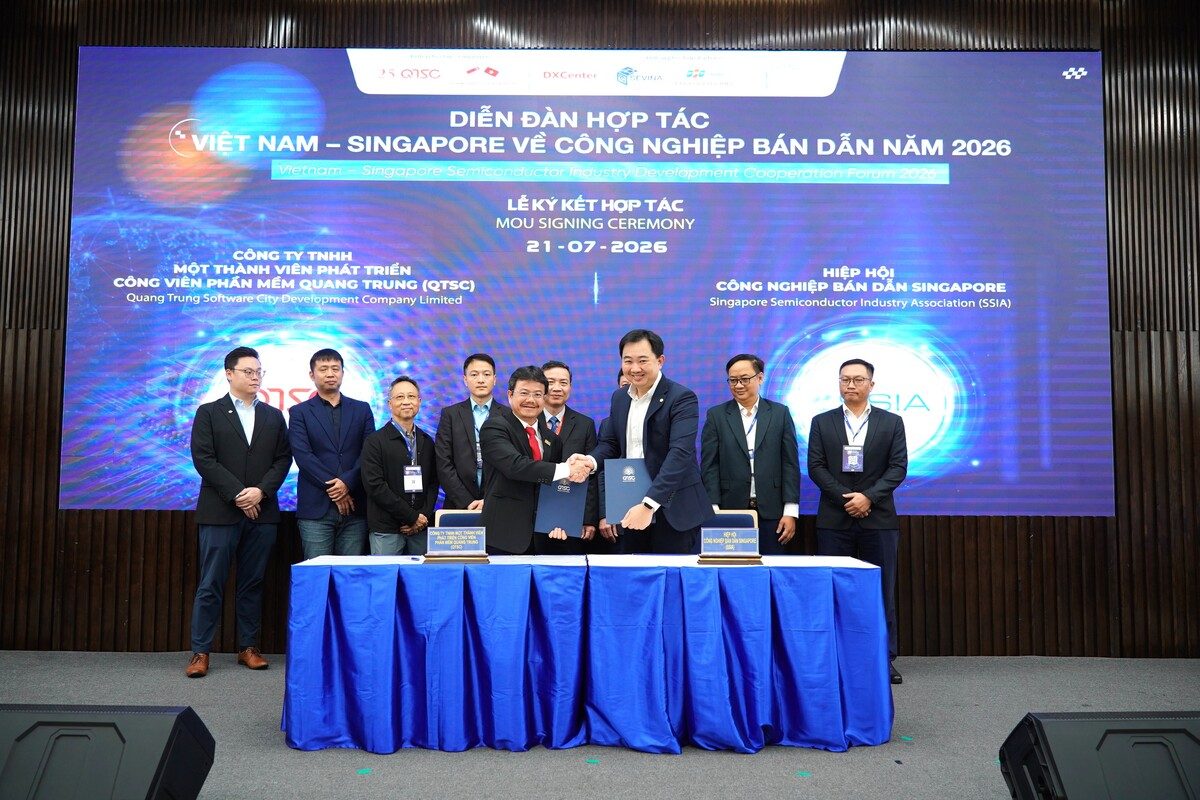
At the event, QTSC and the Singapore Semiconductor Industry Association (SSIA) signed a Memorandum of Understanding (MOU) to promote research, technology transfer, and human resource development. Under the agreement, the two sides will coordinate to foster business connections, investment promotion, R&D, workforce development, and the expansion of international cooperation in the semiconductor sector.
Additionally, SSIA, the Semiconductor Industry Human Resources Development Alliance of Vietnam (SEVINA), and FPT Polytechnic College signed an agreement to collaborate on training and developing the semiconductor workforce.