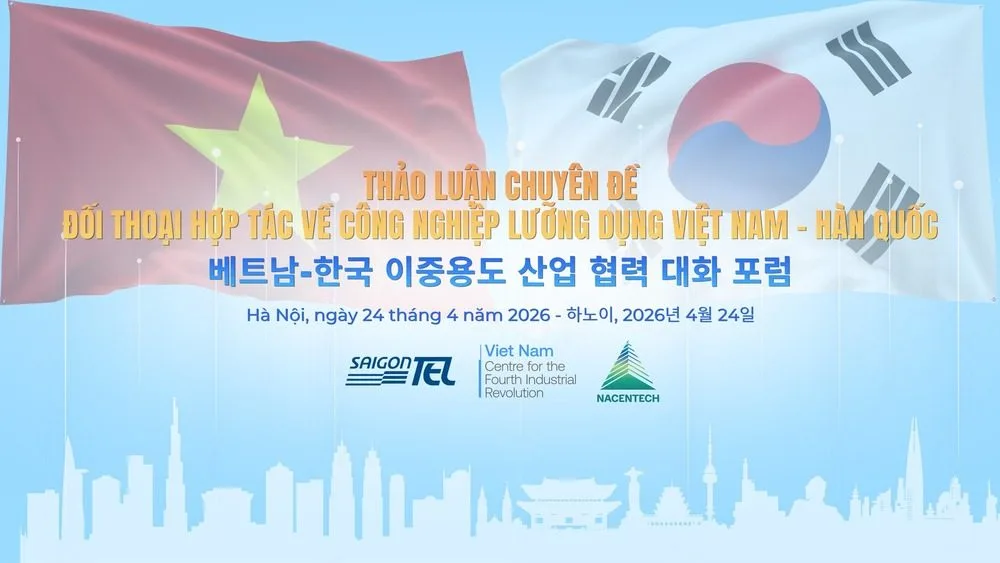
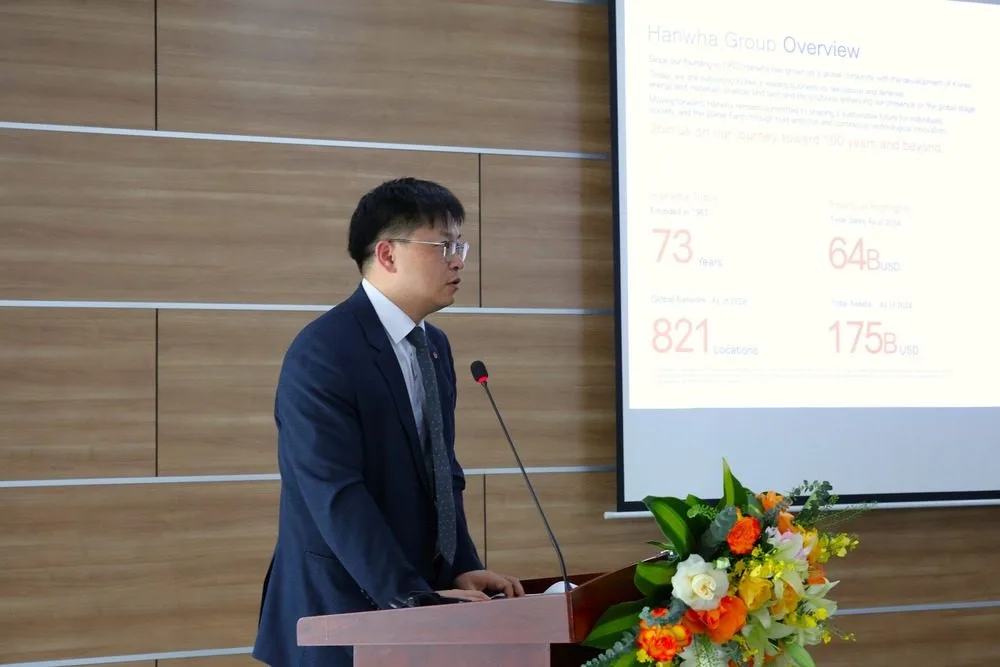
The event was honoured by the attendance of representatives of the Department of Cyber Security (A05) and the Department of Security Industry (H08), along with more than 30 delegates who are leaders of leading technology corporations such as Hanwha Systems, Daewoo E&C, Sovico, G-Group and Exabyte, as well as prestigious research institutes and universities from both countries.
Opening the programme, Mr. Pham Phu Truong, Deputy Director of HCMC C4IR, outlined a strategic vision of the role of technology in shaping a nation’s standing.
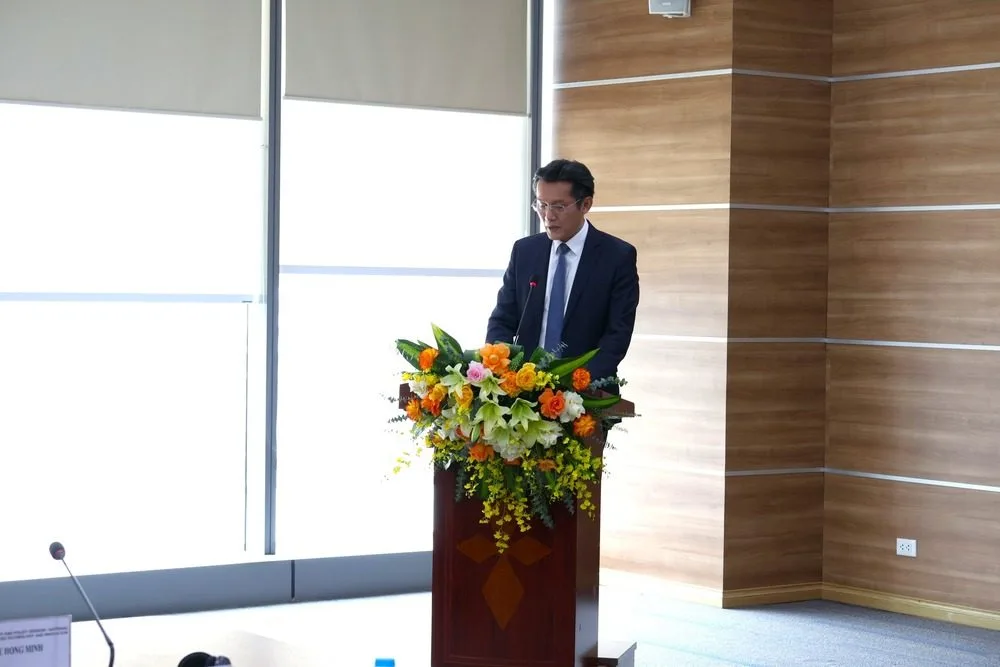
According to Mr. Truong, amid global technology competition, fields such as AI, semiconductors and autonomous robotics are not only economic drivers but are also “dual-use” in nature, with flexible applications across different strategic sectors. He stressed the urgency of shifting from “potential cooperation” to delivering “concrete projects” that balance commercialisation goals with the requirements of national security.
On the importance of the programme, Mr. Nguyen Dac Binh Minh, Deputy Director of NACENTECH, affirmed that the dual-use industry is key to strengthening technological self-reliance. NACENTECH is currently prioritising core technology groups such as AI, drones and green energy by tackling practical problems posed by businesses.
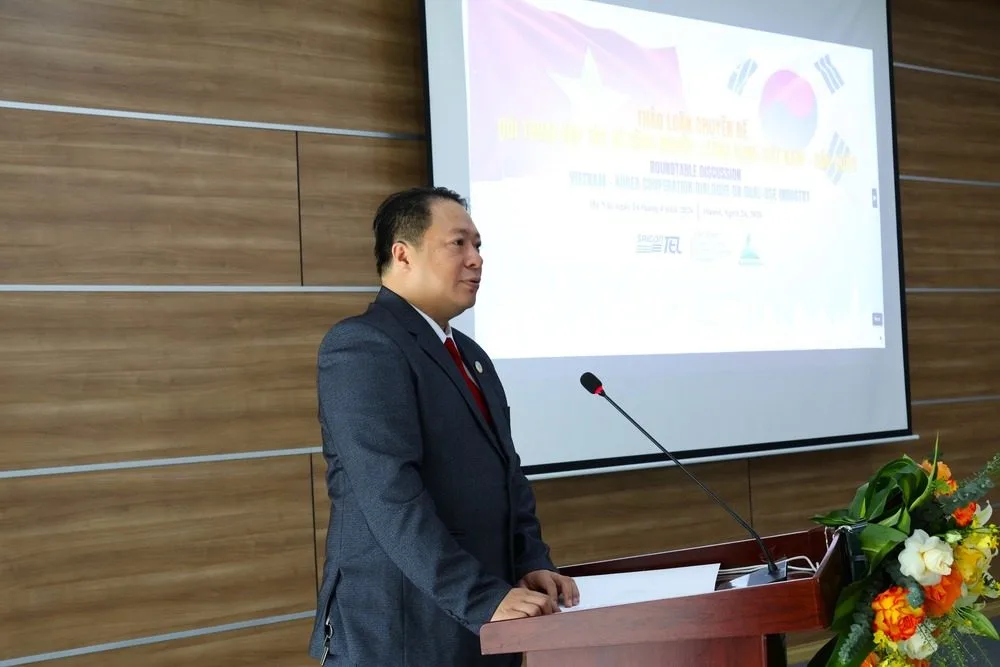
He also proposed a flexible cooperation roadmap, from joint testing and customising solutions to market needs to joint research and development, helping Vietnamese businesses participate more deeply in global supply chains.
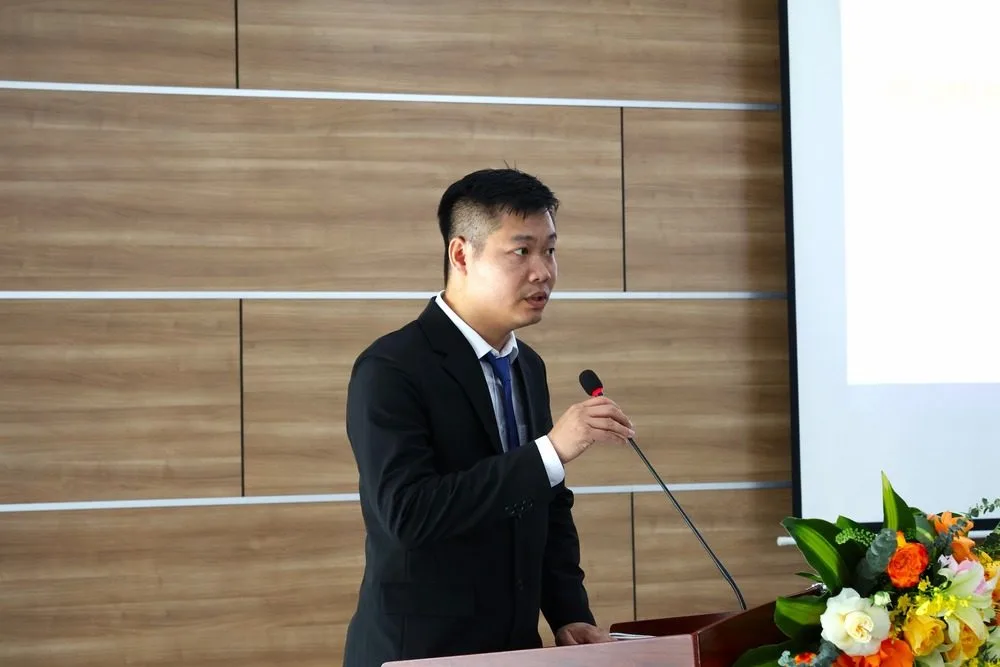
From an implementation and operational perspective, Mr. Bui Trung Hieu, representing the SoiHub Executive Board, proposed three strategic pillars to realise this vision: improving institutions, accelerating implementation and building “core chain” capabilities for domestic businesses.
Among these, the “high-speed line” initiative is expected to be a breakthrough solution that shortens the time from connection to project delivery. According to Mr. Hieu, the standing of Vietnamese businesses will be determined by their ability to master algorithms, data and system integration, rather than simply carrying out outsourced manufacturing.
Representing the specialised regulatory body, Colonel Pham Hong Thap, Deputy Director of the Institute of Electronic Engineering, Department of Security Industry (H08), stressed that the development of dual-use technology must go hand in hand with economic growth and the firm protection of national security.
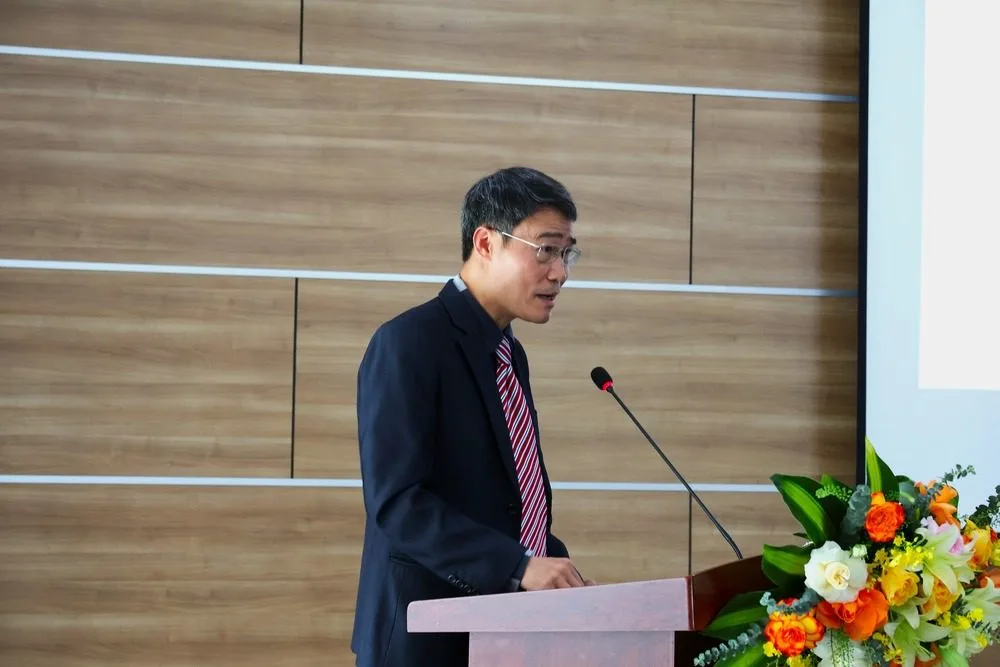
He called for joint laboratories and R&D centres between the two countries based on co-funding, joint research and joint ownership of results. This marks a fundamental shift from “receiving technology” to “mastering technology together”. The relevant agencies will play a key role in setting technical standards and acting as a bridge so that cooperation ideas soon become substantive and sustainable projects.
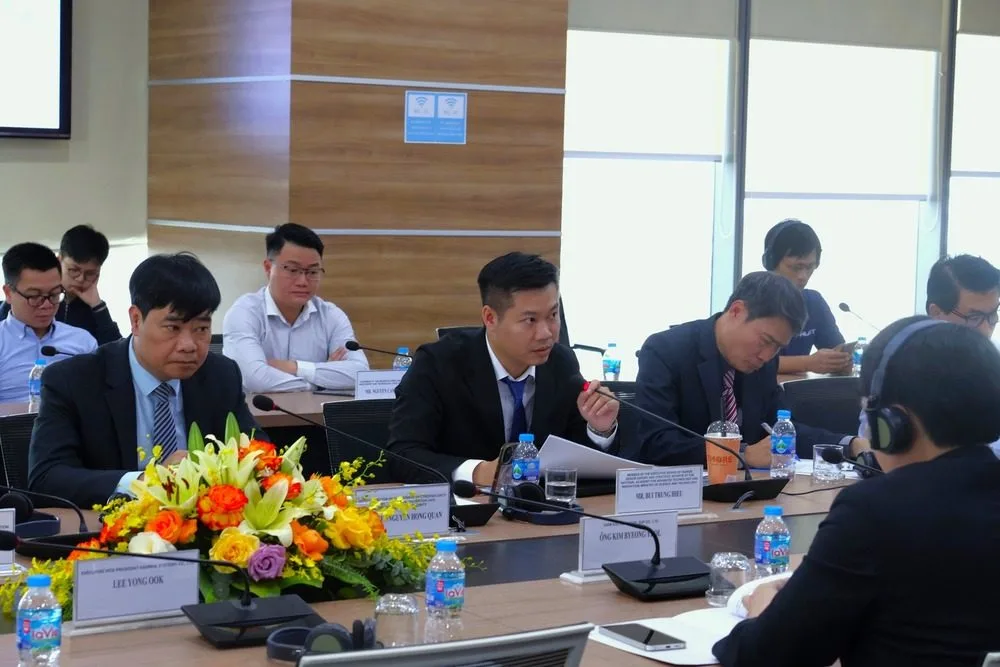
The programme became even livelier with a discussion session among businesses, where representatives of reputable organisations such as Daewoo E&C, Energy Capital Vietnam, Accelint, G-Group and Hanwha Systems held frank, productive and highly constructive exchanges.
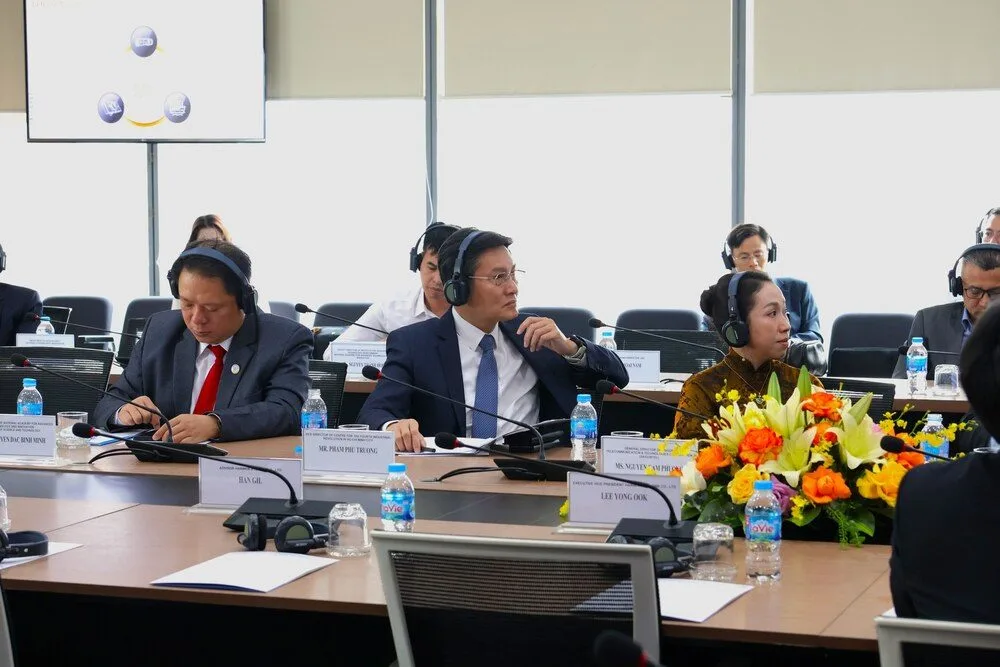
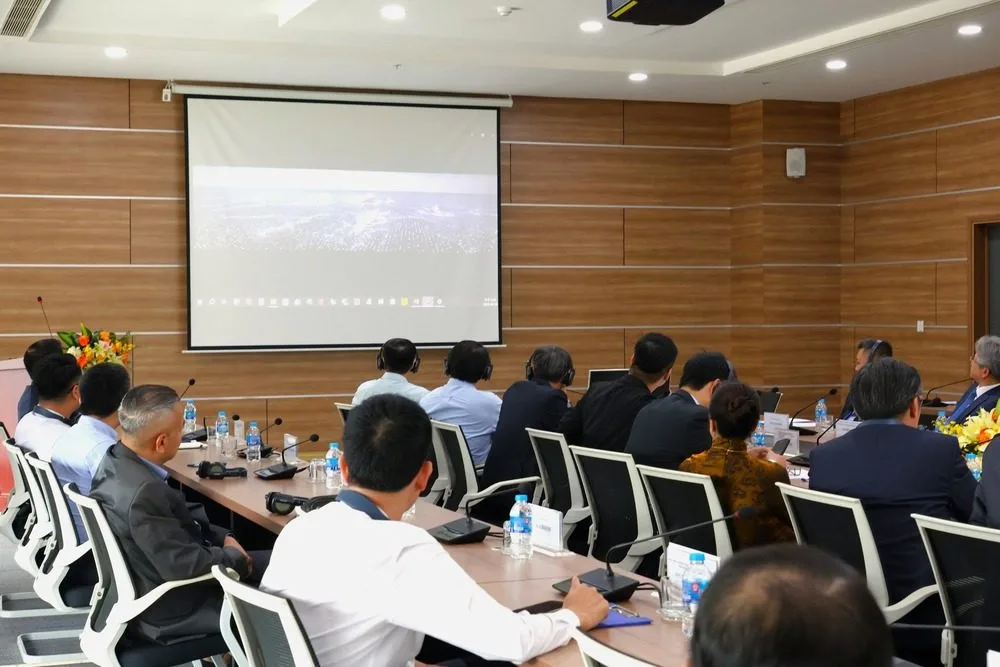
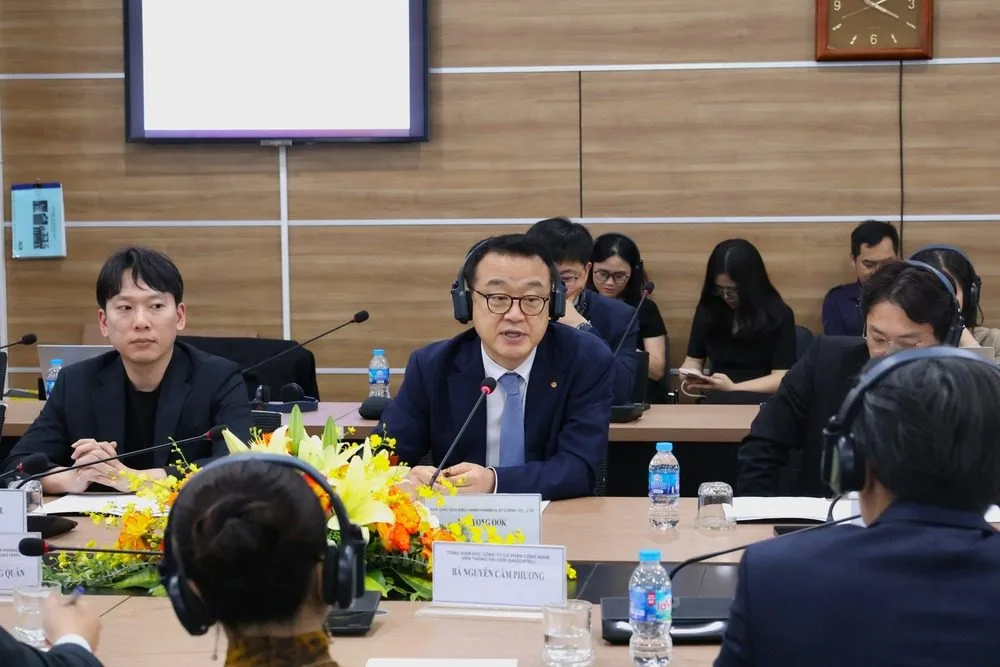
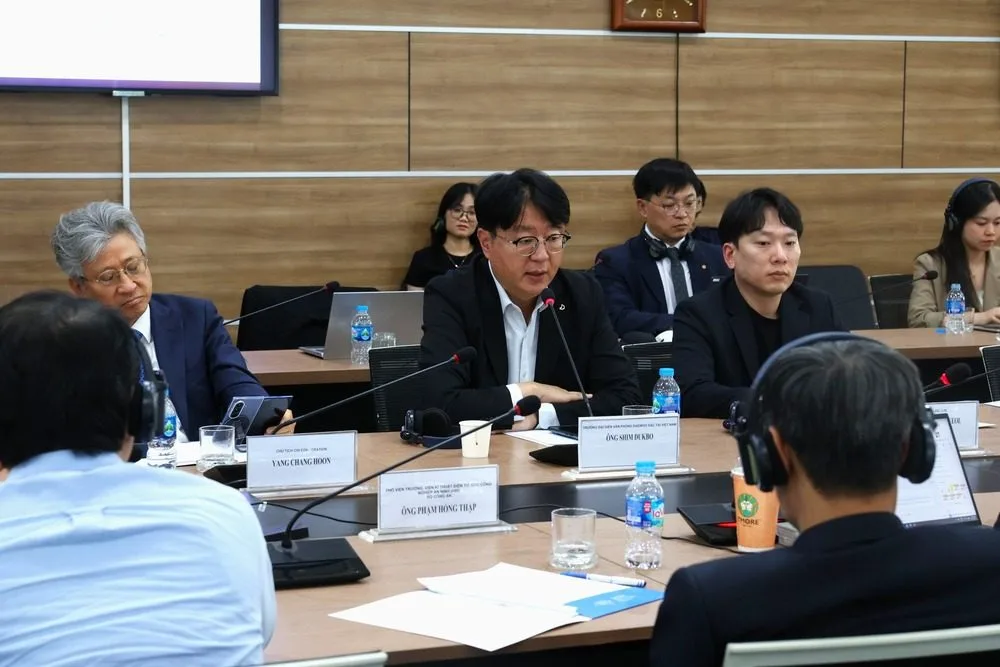
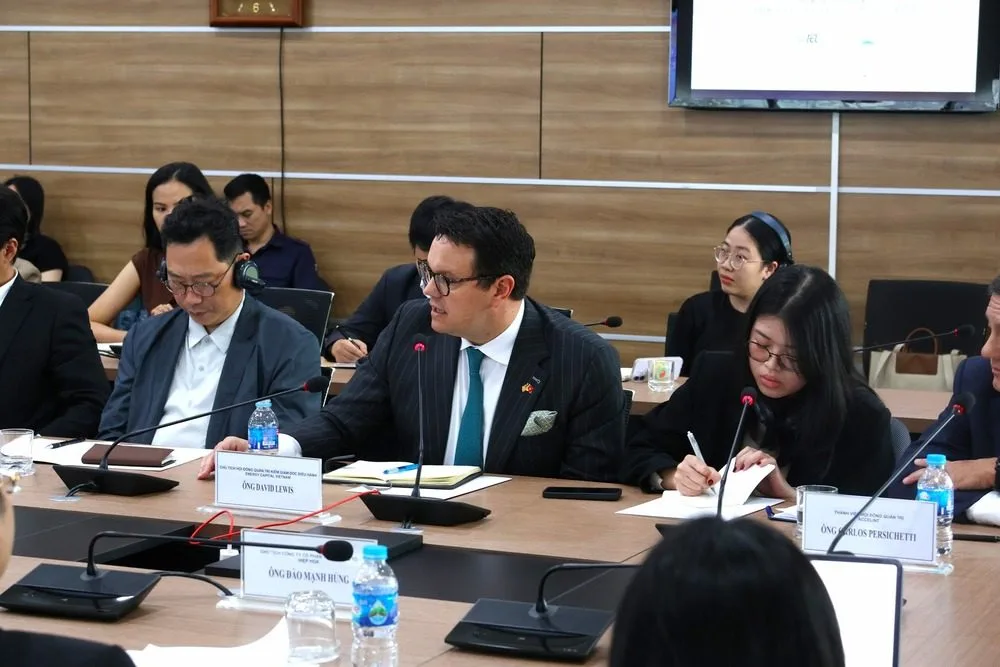
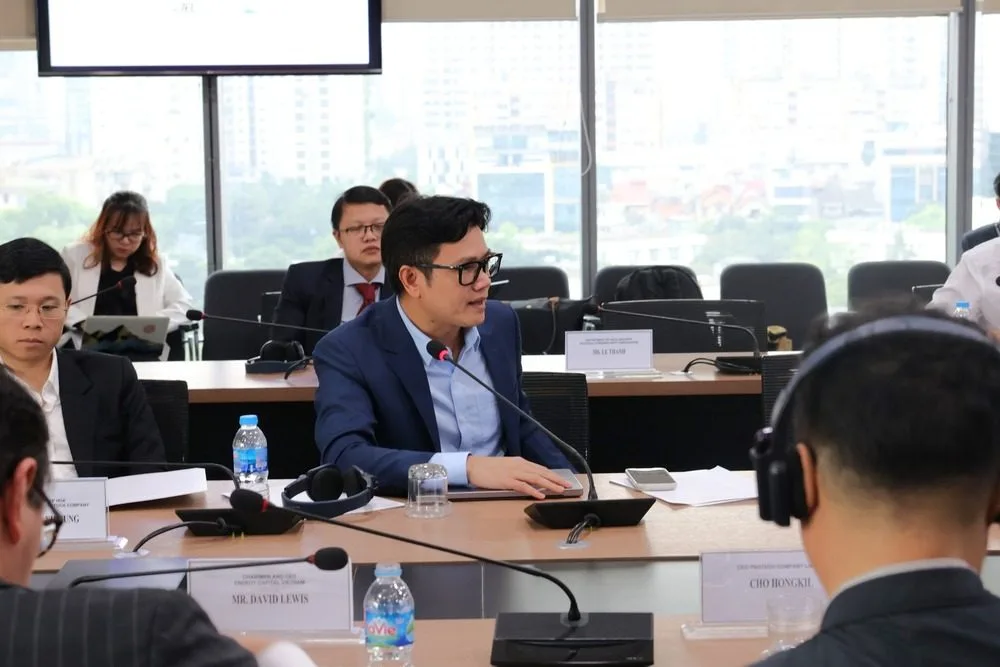
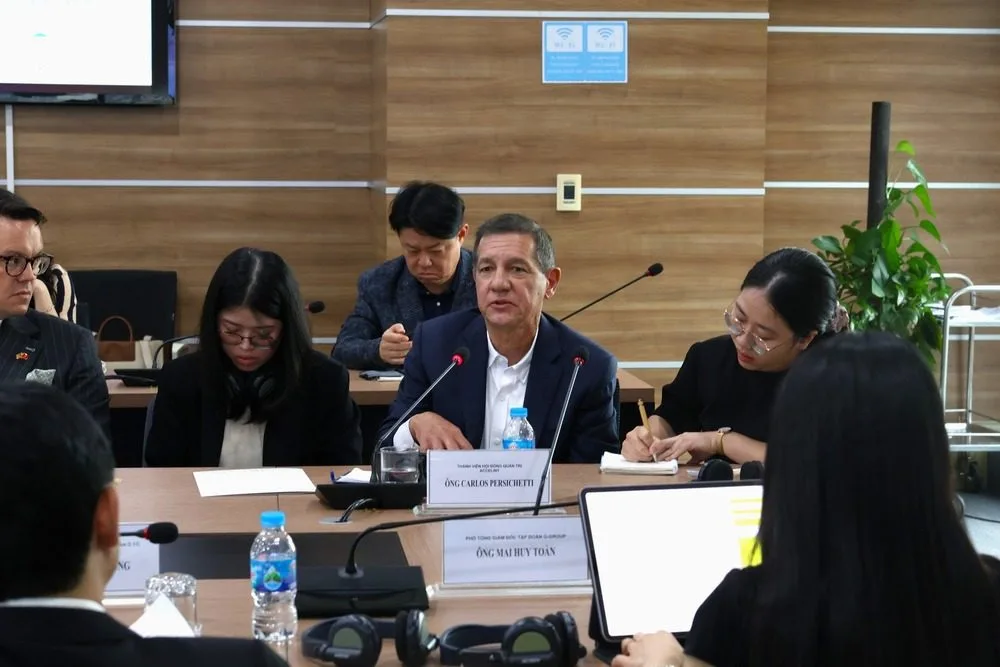
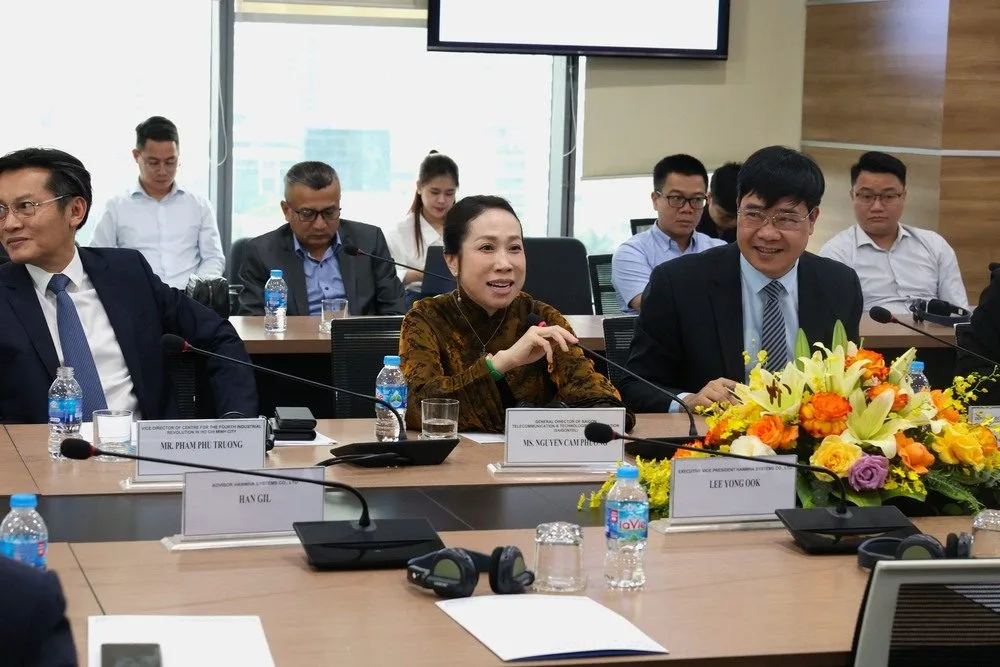
The discussion brought out a wide range of perspectives on the opportunities and challenges of global supply chain restructuring, leading to practical solutions and ideas for developing a dual-use industry suited to Viet Nam’s specific conditions.
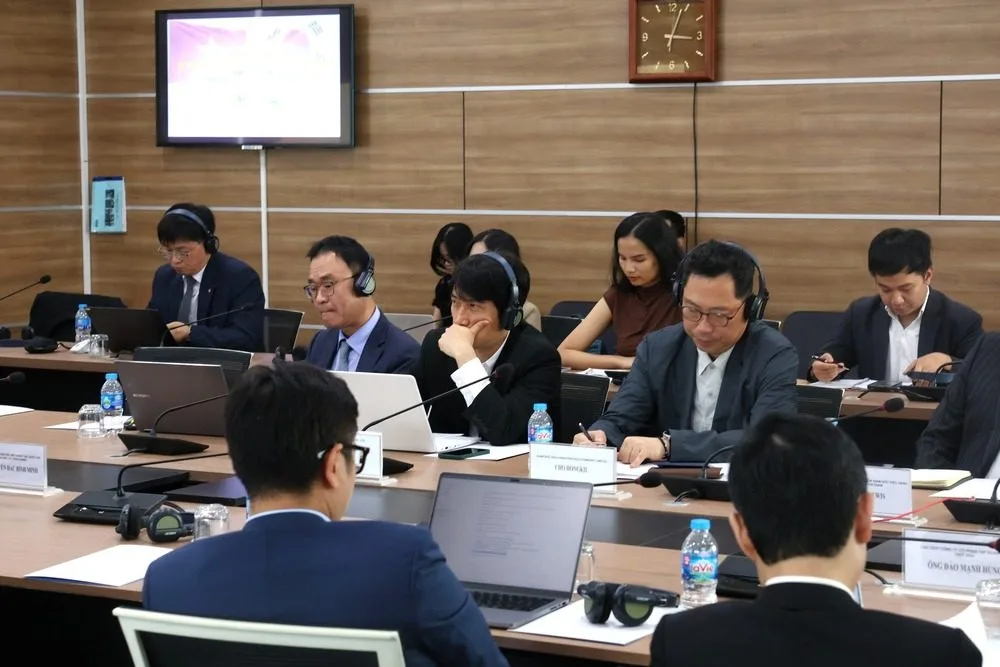
This active engagement focused not only on removing barriers but also on establishing substantive cooperation models that balance the interests of all parties.
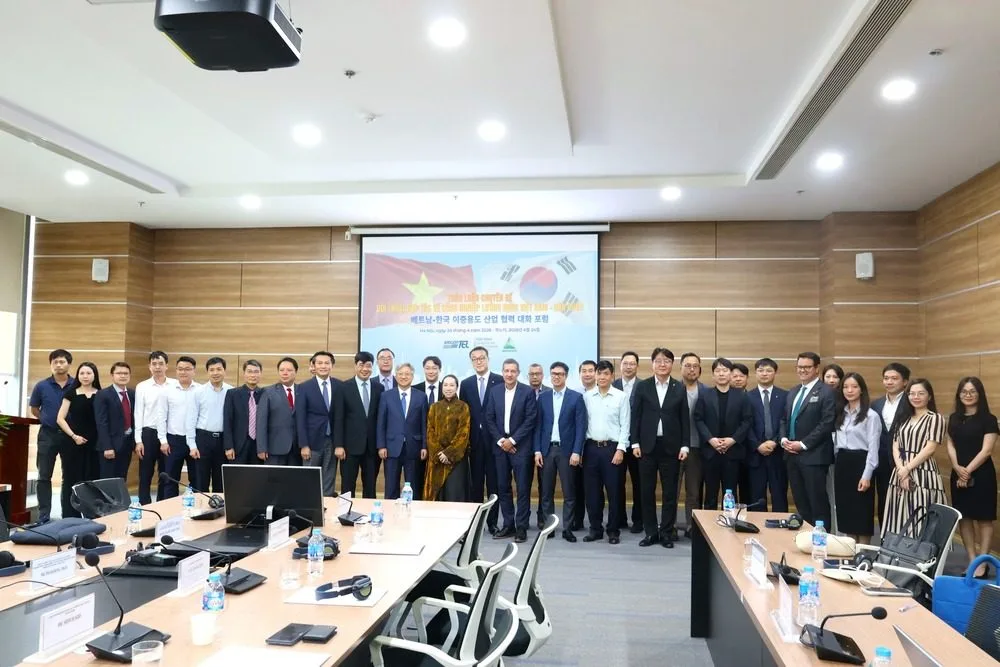
The event concluded with a shared confidence in a new chapter of the Viet Nam – Republic of Korea Comprehensive Strategic Partnership. The connections made at the programme are expected not to remain at the level of dialogue, but to lay the foundation for concrete cooperation projects in the future, contributing significantly to strengthening domestic industrial capacity and to shared prosperity for both countries in the new technology era.