In the alpine setting of Davos, Switzerland, Ho Chi Minh City made its case to become a major player in Southeast Asia’s financial and technology landscape.
In the framework of the World Economic Forum’s 56th Annual Meeting side events, the Vietnamese delegation – led by Vice Chairman of HCMC People’s Committee Hoang Nguyen Dinh – orchestrated two pivotal events that signal the city’s ambitions to transform into an international finance hub powered by technology and innovation.
Building the fintech ecosystem through strategic partnerships
The Business Networking programme brought together domestic financial institutions, innovation centres, and international partners to advance Vietnam’s finance-technology ecosystem.
Two concrete partnerships emerged: the Global On-chain Economy Alliance signed MOUs with Crystal Intelligence for cross-border payment infrastructure development and with Sumsub for cryptocurrency payment solutions. These agreements reflect growing international confidence in Ho Chi Minh City’s potential to establish a modern financial centre.
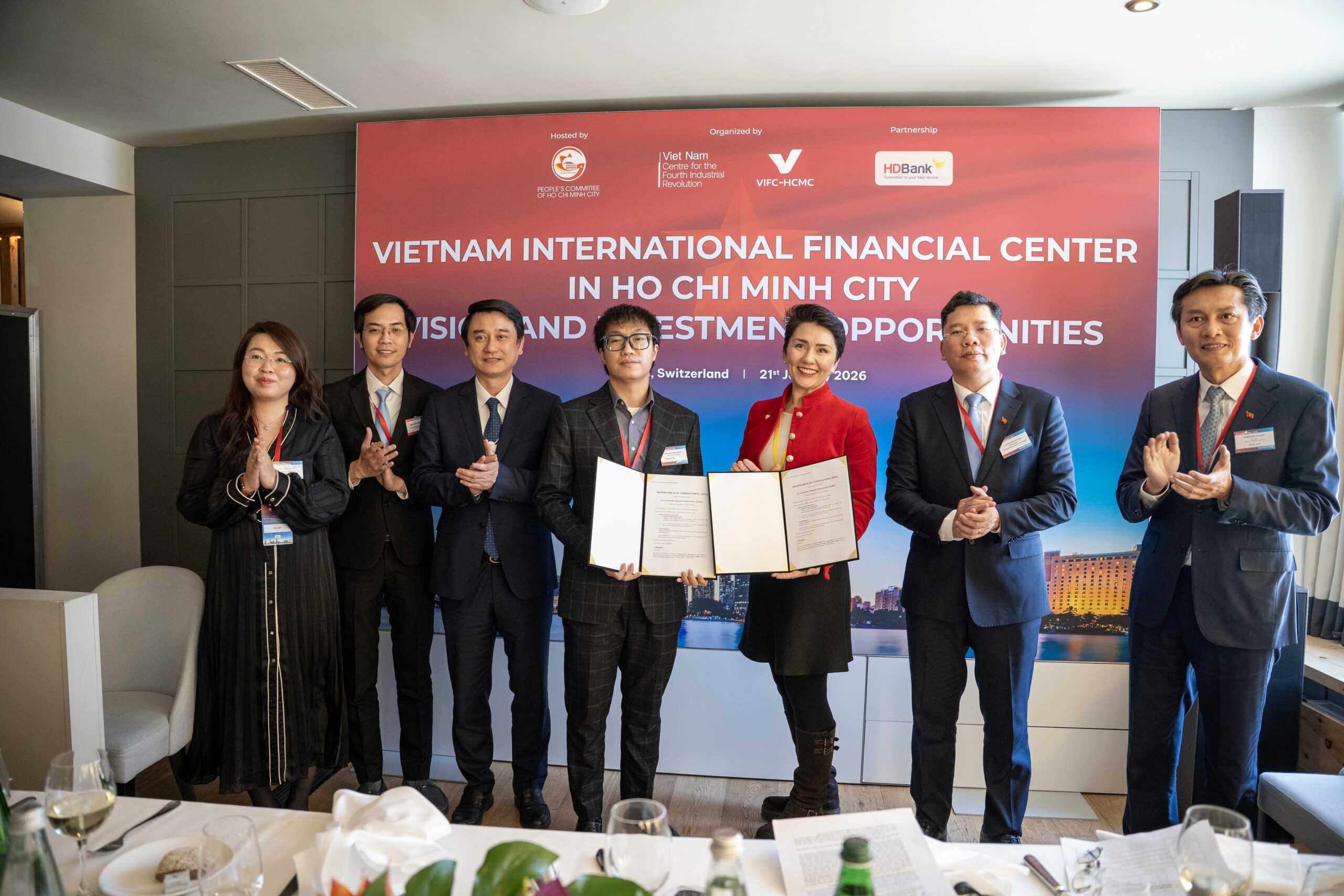
The partnerships address critical infrastructure gaps in international payments while positioning the city to participate in the digital asset economy – areas identified as key pillars for the planned International Financial Centre.
A vision for Vietnam’s International Financial Centre
The centrepiece working lunch, themed “Vietnam’s International Financial Centre in Ho Chi Minh City – Vision and Investment Opportunities,” outlined the city’s strategic roadmap.
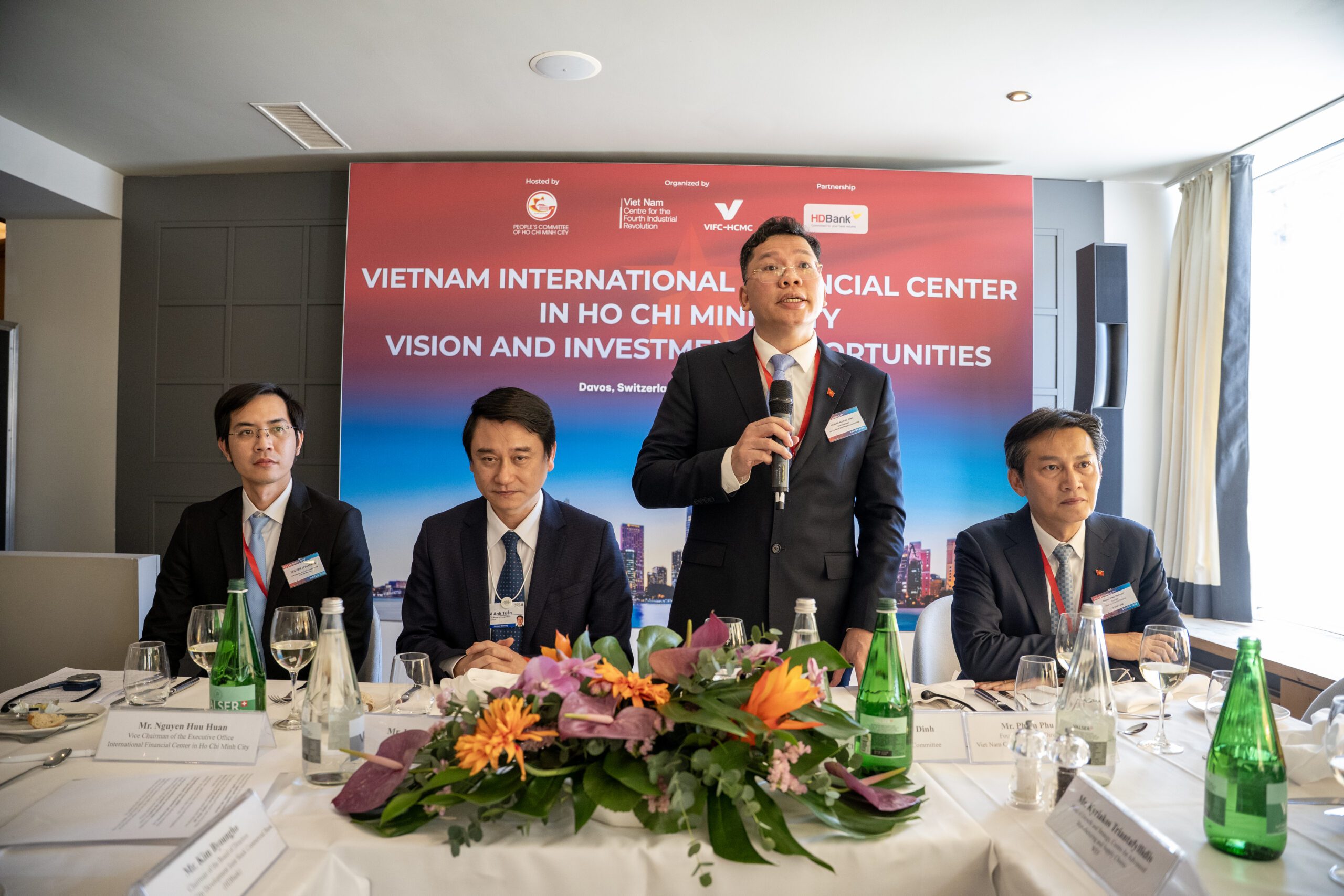
The vision centres on creating a modern, transparent financial-technology ecosystem where science, data, artificial intelligence, and fintech serve as foundational pillars. City representatives emphasized the role of public-private partnerships and regulatory sandbox mechanisms to enable innovation while maintaining system stability.
From investor destination to innovation partner
Deputy Minister of Foreign Affairs Le Anh Tuan articulated Vietnam’s approach: the country seeks to attract global financial institutions and corporations not merely as investors, but as strategic partners who will help build a next-generation International Financial Centre model.
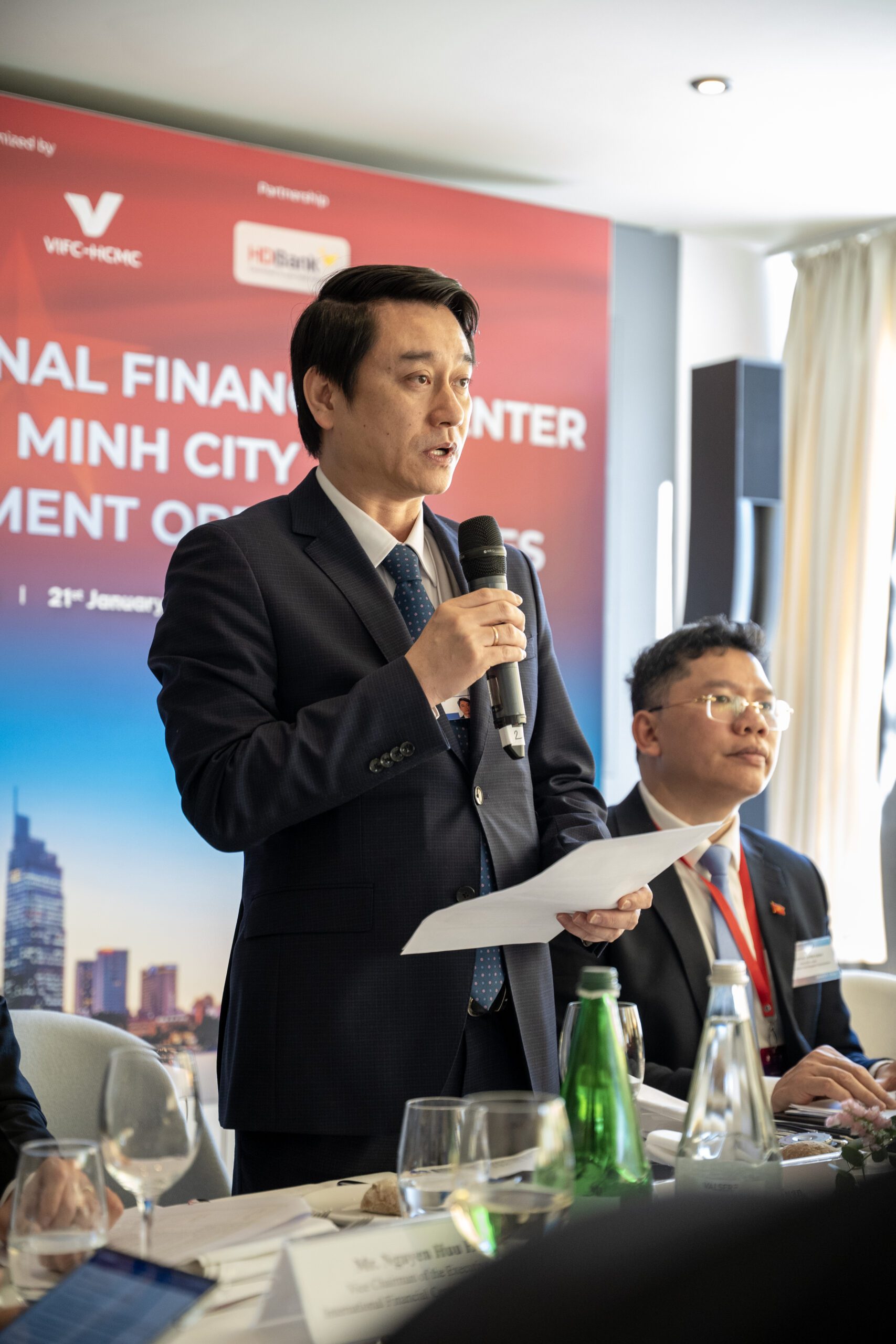
The presence of Vietnamese embassy representatives in Switzerland and the Permanent Mission in Geneva underscored the national-level commitment behind this city initiative.
What makes a successful international finance centre?
Dialogue at the event revealed consensus around three critical elements: innovation, international governance standards, and global financial system connectivity.
Participants emphasized the importance of controlled testing environments that balance flexibility for innovation with investor protection and market confidence. The discussions focused on creating practical frameworks rather than theoretical models.
Banking sector perspective: Beyond preferential zones
Representatives from Ho Chi Minh City Development Commercial Joint Stock Bank (HDBank) offered a compelling framing: the International Financial Centre should function as a new institutional platform, not merely a preferential zone.
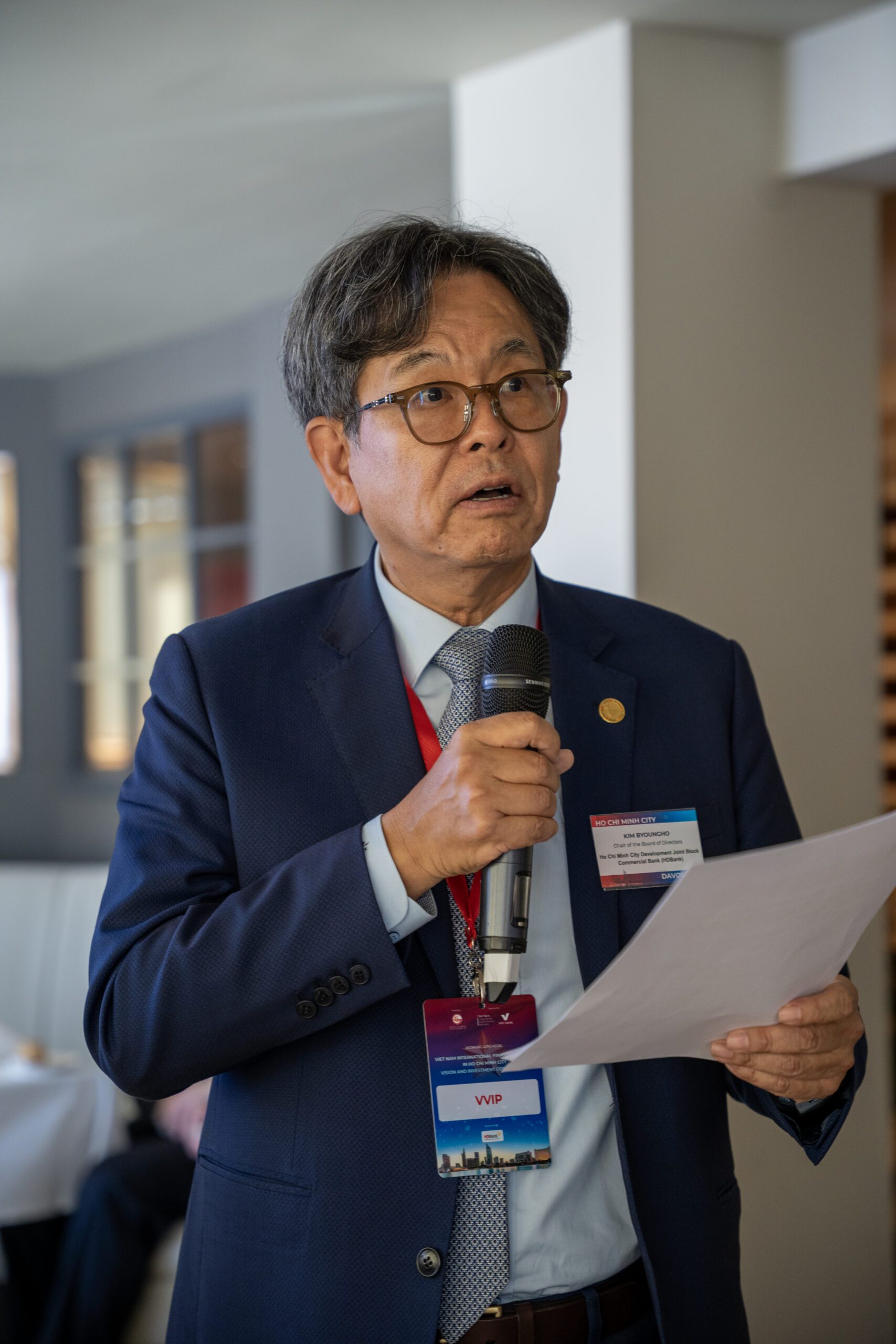
This platform would enable testing of financial products, elevate governance standards to international norms, and strengthen connections to global capital markets. HDBank committed to participating in controlled testing mechanisms while ensuring financial stability, risk management, and compliance with international standards.
What’s next for Ho Chi Minh City?
The Davos delegation included leadership from the Department of Foreign Affairs, the Centre for the Fourth Industrial Revolution in Ho Chi Minh City (HCMC C4IR), the Vietnam International Financial Centre, alongside representatives from HDBank, TTC AgriS, Exabyte, Sky Mavis, and Tether – reflecting the city’s strengths across finance, fintech, and technology sectors.
The visit and side events at the 56th WEF Annual Meeting in Davos are expected to enhance Ho Chi Minh City’s image and position on the global economic and financial map. These activities aim to create an important foundation for attracting international resources, promoting long-term cooperation, and supporting the city in achieving its goals of rapid and sustainable development in the coming period.