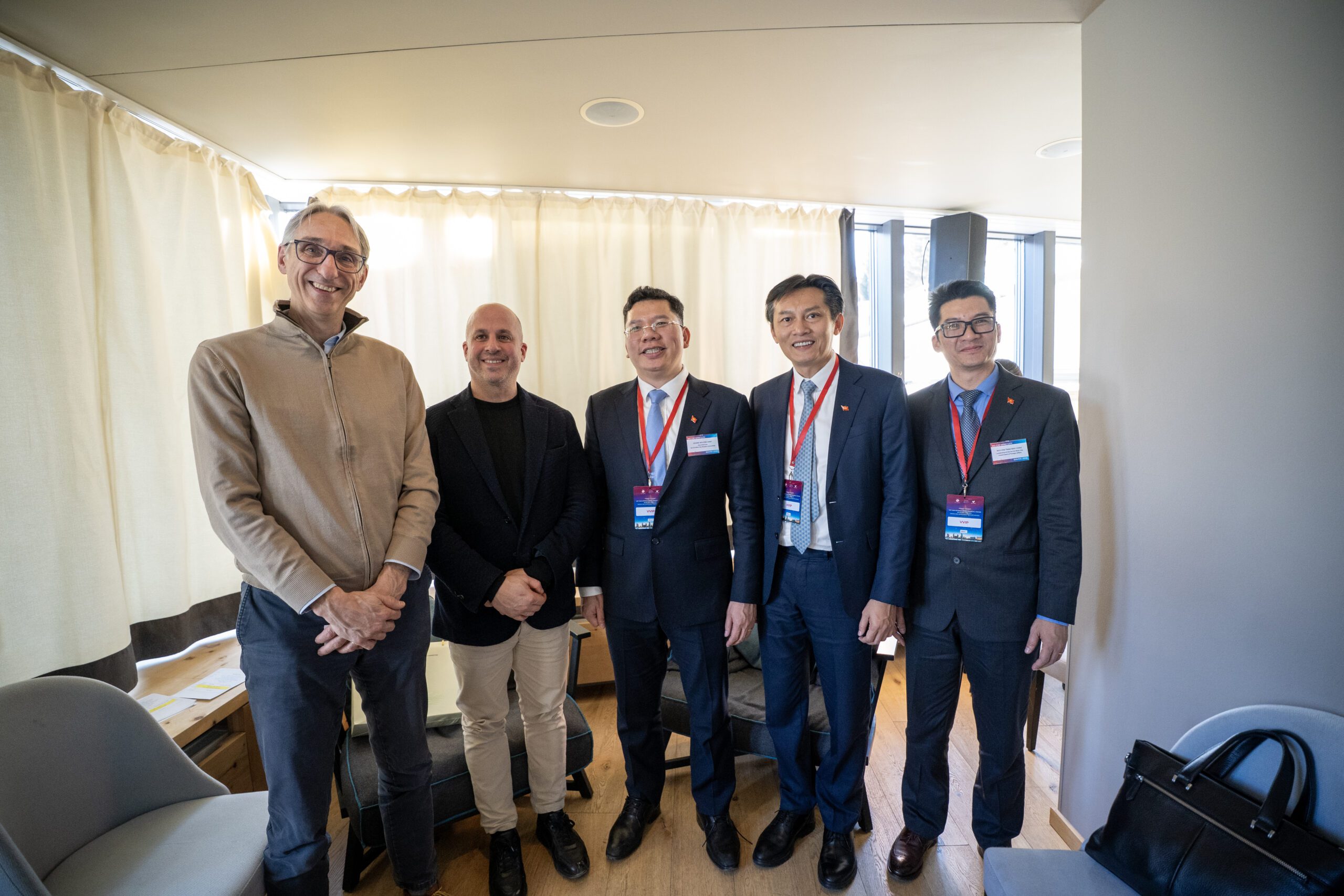
Within the framework of sideline activities at the 2026 Annual Meeting of the World Economic Forum (WEF) held in Davos, Switzerland, the Ho Chi Minh City People’s Committee delegation successfully organized two investment promotion and connectivity events and conducted eleven external affairs activities, including bilateral meetings and the signing of important international cooperation agreements.
The delegation had the opportunity to directly engage and connect with many of the world’s leading and reputable organizations and partners, including the Israel Innovation Authority, the Swiss FinTech Association (SFTA), the Swiss Global Enterprise Association, Binance Group, UBS Bank Switzerland, Tether Group, Bodo Möller Chemie Group, Crystal Intelligence, and others.
Strengthening the Strategic Partnership between WEF and Ho Chi Minh City and Expanding Global Cooperation through the Role of HCMC C4IR
Within the framework of cooperation with the World Economic Forum (WEF), Ho Chi Minh City reaffirmed its desire for WEF to continue serving as an important strategic partner, closely accompanying the City in the implementation of long-term development initiatives, particularly the contents agreed upon in the Joint Declaration signed on November 26, 2025, between WEF and the Ho Chi Minh City People’s Committee on promoting smart manufacturing and responsible industrial transformation.
On that basis, HCMC C4IR was identified as the focal point directly coordinating with WEF in implementing cooperation contents, serving as the core connector between the City and WEF’s global initiatives, networks, and agendas. The organization of the Ho Chi Minh City delegation and the series of sideline activities at the WEF Davos 2026 Annual Meeting not only demonstrated the City’s responsibility and commitment to effectively implementing cooperation agreements with WEF, but also reflected the importance and priority that WEF places on Ho Chi Minh City as a dynamic, proactive, and strategically minded partner.
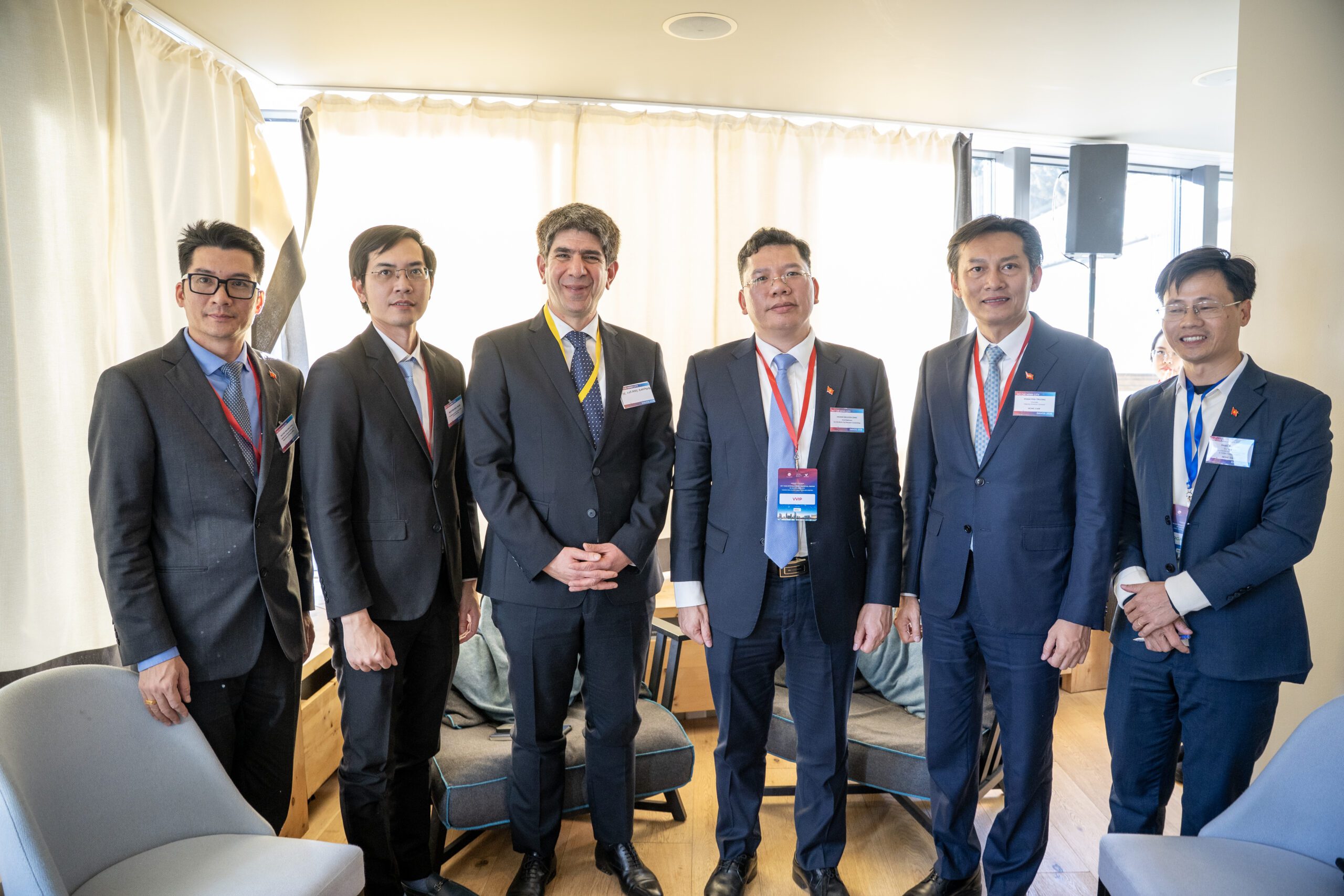
A Large-Scale, Effective, and Substantive Series of Activities by the Ho Chi Minh City Delegation at Davos 2026
The World Economic Forum Annual Meeting in Davos has long been known as a destination marking new beginnings for cooperation and development. In the context of Davos 2026 becoming a focal point of global attention, the series of activities carried out by Ho Chi Minh City stood out as vivid evidence of its approach to multilateral cooperation, open dialogue, and mutually beneficial engagement, based on innovation, science and technology, and long-term strategic linkages.
At Davos 2026, in addition to working sessions with WEF, the Ho Chi Minh City delegation proactively carried out bilateral engagements with numerous reputable international partners, focusing on substantive cooperation orientations aligned with global development trends such as science and technology, innovation, digital finance, high-tech industry, and sustainable development. These activities clearly demonstrated the City’s integration vision, forward-looking mindset, and determination to attract the strong support and deep participation of leading global pioneers in its long-term development strategy.
1. University of Zurich, Switzerland
On January 19, the City delegation visited and worked with the University of Zurich—the first university in Europe and also the largest and most diverse higher education institution in Switzerland, consistently ranked among the world’s top 100 universities. Representatives of the University of Zurich receiving the delegation included Mr. Jürgen Brücker, Managing Director, and Ms. Tina Schibach, Head of the Asia–Pacific Program.
The two sides discussed contents aimed at promoting the development of high-quality human resources in finance and technology; shared experiences from the Zurich model—as one of the world’s leading financial centers—and explored opportunities for research collaboration and technology transfer in artificial intelligence, big data, and blockchain to serve the City’s innovation ecosystem.
Speaking at the meeting, Mr. Jürgen Brücker expressed his desire to attract more Vietnamese students to study and conduct research at the University of Zurich. Mr. Hoang Nguyen Dinh, Vice Chairman of the Ho Chi Minh City People’s Committee, noted that in response to the requirements of rapid and sustainable development, Ho Chi Minh City has identified the need to shift from extensive growth to intensive development, focusing on growth quality, value creation, digital technology application, smart urban development, and particularly the financial sector.
In the context of Ho Chi Minh City’s efforts to establish an International Financial Center, the City expressed its desire to engage in deep cooperation with Zurich—a leading global financial center—and with the University of Zurich in the fields of finance, innovation, and science and technology. In the coming period, both sides will continue working to promote training cooperation programs, with particular emphasis on finance and monetary fields for the leadership of the Ho Chi Minh City People’s Committee and the leadership of VIFC-HCMC, to ensure a shared understanding and effective coordination in operating the International Financial Center and maximizing its contribution to the City’s development.
2. Ministry of Digital, Malaysia
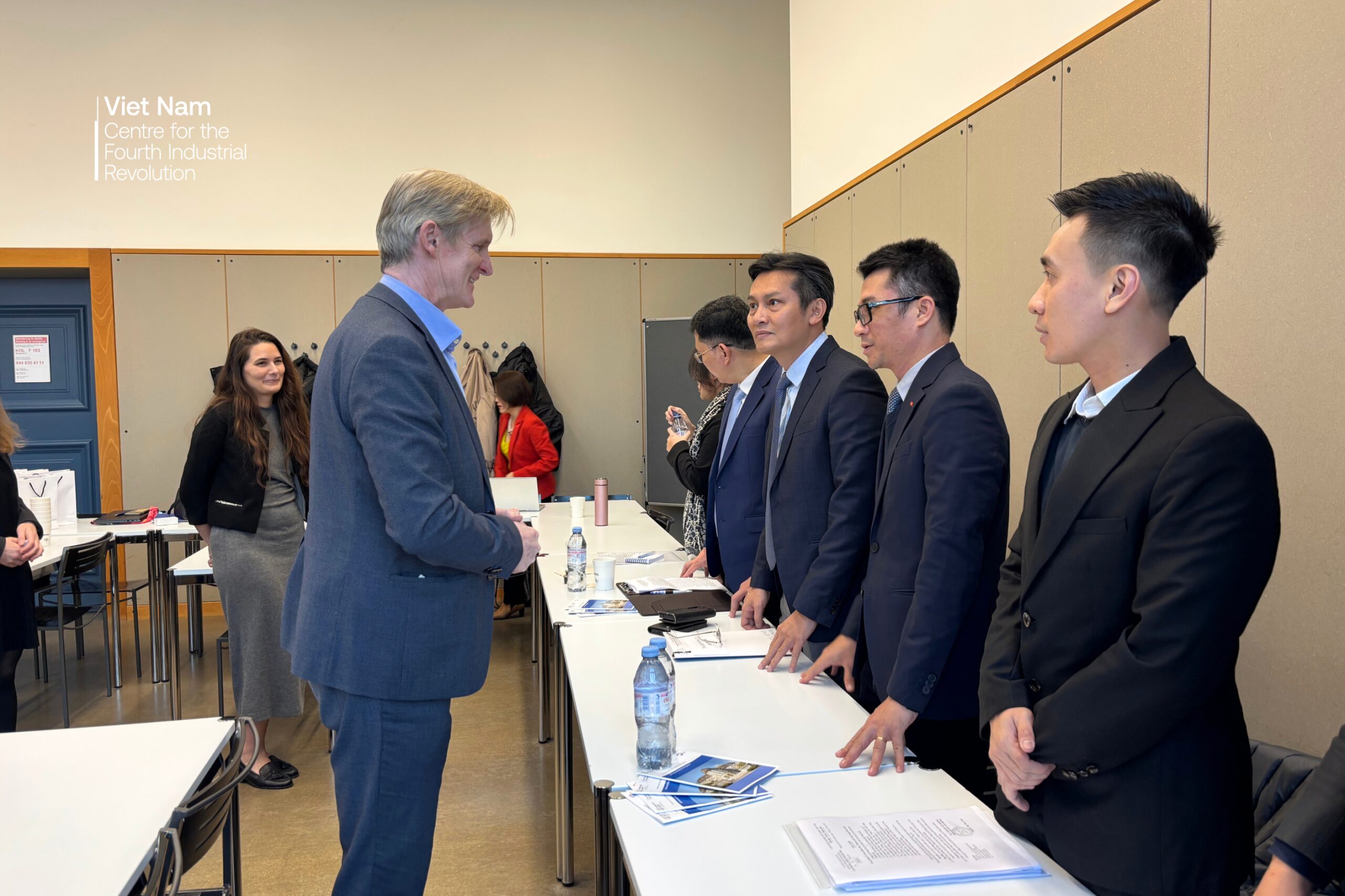
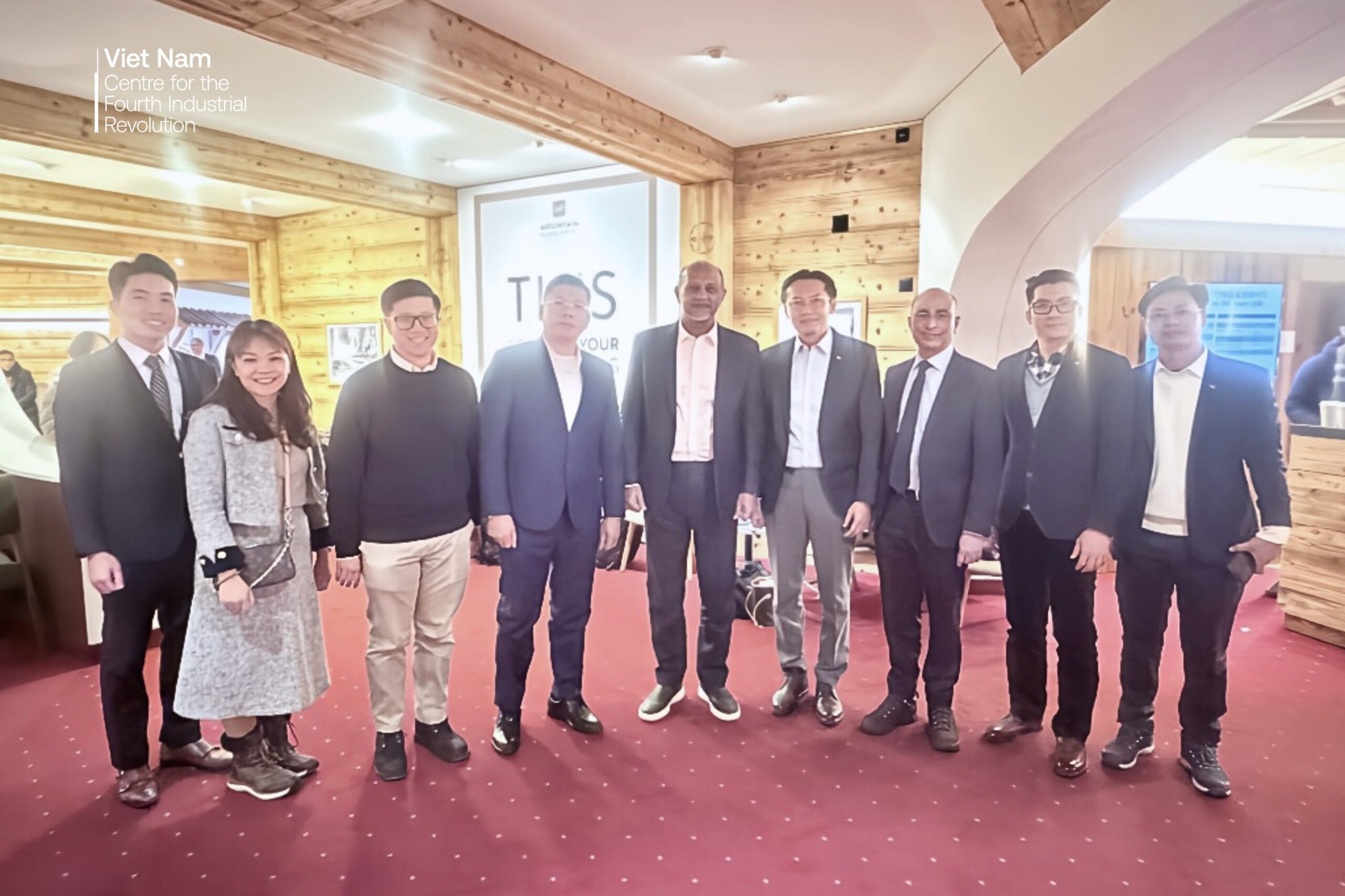
The Ho Chi Minh City delegation met with Mr. Gobind Singh Deo, Minister of Digital of Malaysia, on the afternoon of January 20 in Davos. During the exchange, Mr. Gobind Singh Deo shared his strong impression of Ho Chi Minh City’s active participation and outstanding activities at Davos. Regarding bilateral cooperation, the Malaysian Ministry of Digital has also coordinated with Vietnam’s Ministry of Information and Communications to align future cooperation orientations.
To pilot cooperation contents, Mr. Gobind Singh Deo and Mr. Hoang Nguyen Dinh agreed in principle to continue discussions through working-level connections between HCMC C4IR and C4IR Malaysia to develop specific cooperation contents and co-organize regional-level international events, with a particular focus on the ASEAN Digital Economy Framework Agreement (DEFA) and initiatives related to the “AI for the People” program developed by C4IR Malaysia under the direct direction of the Malaysian Ministry of Digital.
3. C4IR Malaysia
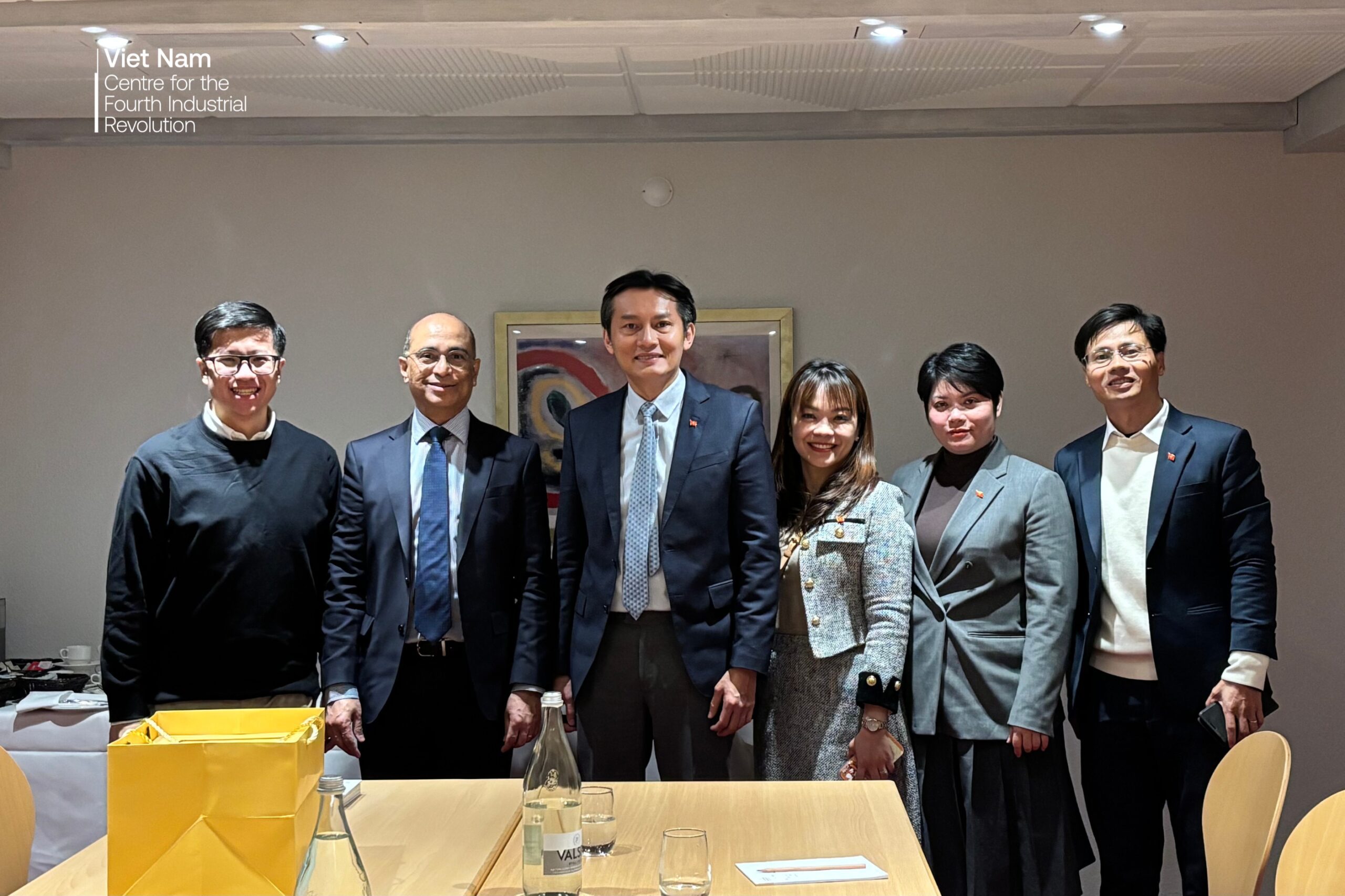
Immediately following the meeting with the Malaysian Minister of Digital, Mr. Pham Phu Truong, Deputy Director of HCMC C4IR, together with members of the HCMC C4IR delegation, held a working session with the leadership of C4IR Malaysia on the evening of January 20 to detail cooperation contents and orientations between the two sides.
At the meeting, Mr. Adrian Marcellus, Head Representative of C4IR Malaysia (Chief Executive Officer of MyDigital Corporation, Malaysia), shared details of the “AI for the People” program currently being developed by C4IR Malaysia. This is a comprehensive, multilingual digital transformation and AI literacy program that has been widely implemented in Malaysia and has achieved encouraging results. He also shared common challenges currently faced by the DEFA framework.
Following discussions, Mr. Pham Phu Truong proposed several next-step orientations, including: studying the localization and joint implementation of the AI-for-the-citizen program developed by C4IR Malaysia; issuing joint publications (white papers) on AI and digital transformation; jointly developing a Vietnam–Malaysia common data framework toward contributing to the ASEAN DEFA; studying support mechanisms and sandbox implementation for Malaysian technology enterprises in Ho Chi Minh City where appropriate; and actively participating with C4IR Malaysia in the Annual Autumn Economic Forum in Ho Chi Minh City, as well as building programs to connect global C4IRs at the Forum to strengthen unity and expand cooperation networks.
4. C4IR Azerbaijan
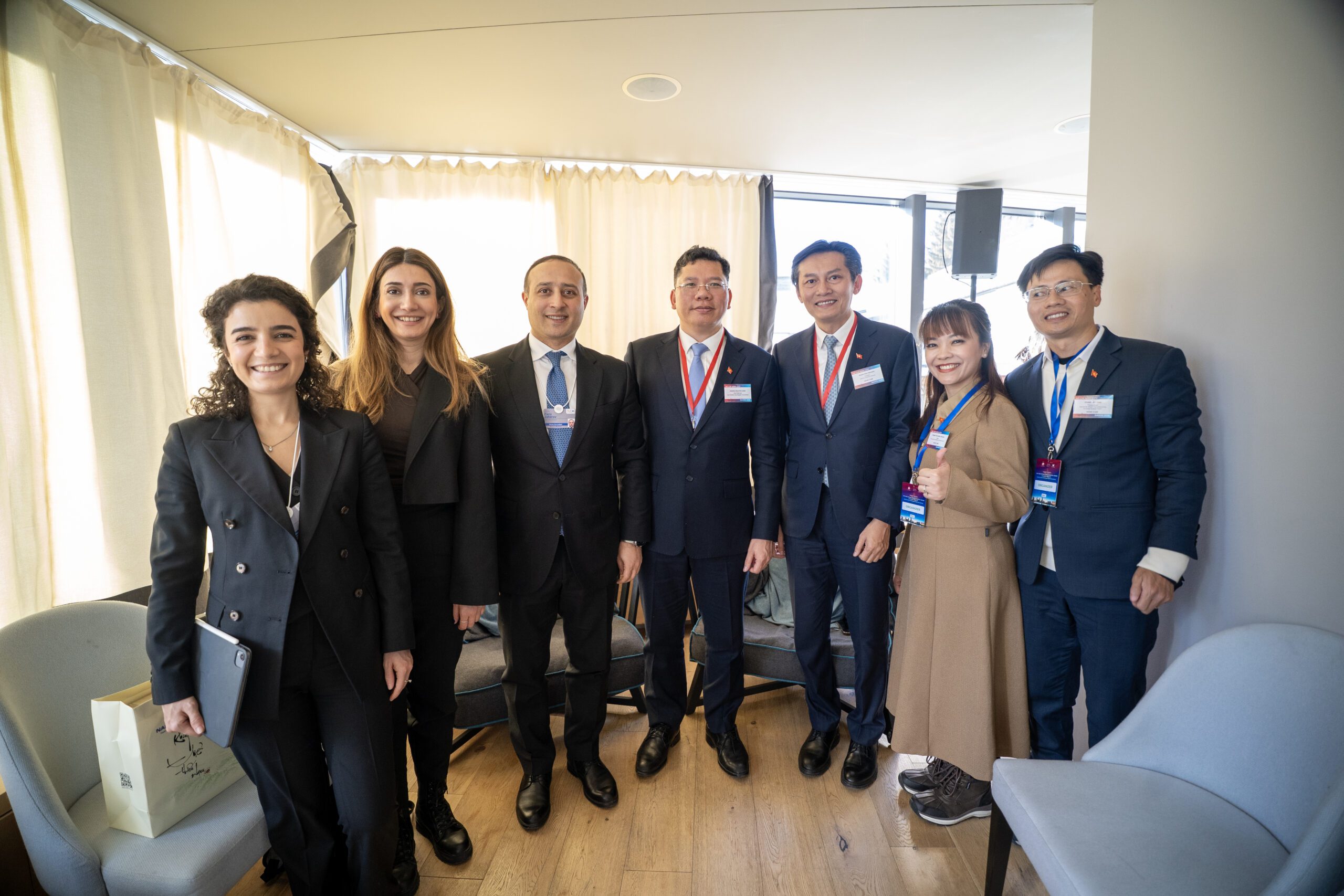
Within the global C4IR ecosystem, and with facilitation from HCMC C4IR, the Ho Chi Minh City delegation also met and worked with Mr. Fariz Jafarov, Executive Director of C4IR Azerbaijan, and delegation members on the morning of January 21 in Davos.
C4IR Azerbaijan, established five years ago, operates under a relatively distinctive model comprising a Monitoring Center and an Operations Center, with a direct reporting mechanism to the Government. To date, C4IR Azerbaijan has implemented 15 projects valued at USD 30 million to support economic development goals and domestic industrial transformation.
In addition, C4IR Azerbaijan is implementing training programs to enhance public knowledge of high technologies. Both sides affirmed the strong bilateral relationship between the two countries and expressed expectations for continued robust cooperation, particularly in strengthening collaboration between business communities and transferring leadership training programs aimed at successful public governance transformation.
Mr. Pham Phu Truong, Deputy Director of HCMC C4IR, stated that in the coming period, the two C4IR centers will continue to maintain connectivity, share operational experiences, and move toward more substantive activities to promote business cooperation and strengthen bilateral relations.
5. Israel Innovation Authority
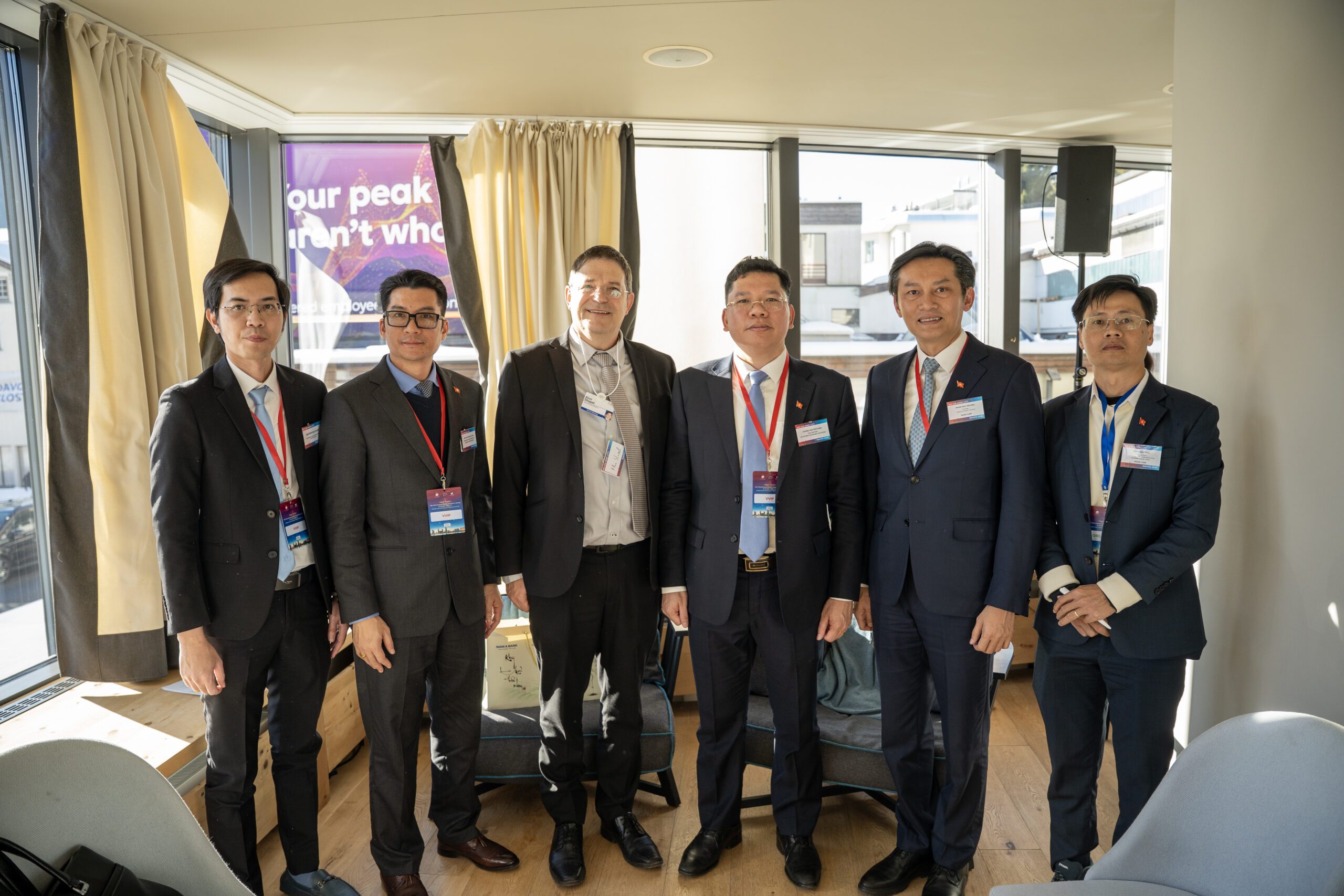
On the morning of January 21 in Davos, the Ho Chi Minh City delegation held a bilateral working session with Dr. Alon Stopel, Chairman of the Israel Innovation Authority and Chief Scientist for Innovation of the Israeli Ministry of Innovation, Science and Technology.
This working session was a major highlight, demonstrating Ho Chi Minh City’s strong interest and priority in expanding international cooperation in science, technology, and innovation. The two sides engaged in in-depth discussions on the role of the State in leading innovation ecosystems, developing core technologies, and supporting high-tech startups.
Accordingly, both sides agreed to study the establishment of a cooperation mechanism between Ho Chi Minh City and the Israeli Ministry of Innovation, Science and Technology, strengthening connectivity through HCMC C4IR, and focusing on priority areas such as artificial intelligence, smart manufacturing, cybersecurity, and smart cities.
Dr. Alon Stopel shared that Israel makes substantial investments in high-tech fields such as fintech, cybersecurity, and digital technologies, and expressed a strong desire to deepen engagement in the Vietnamese market, particularly in Ho Chi Minh City. He emphasized Israel’s open policy in promoting international cooperation, especially with the Asia–Pacific region, and its readiness to support substantive bilateral initiatives.
Regarding implementation approaches, Dr. Stopel proposed: (i) strengthening coordination through HCMC C4IR as a focal point for concrete cooperation activities; and (ii) studying the signing of a cooperation agreement between Ho Chi Minh City and the Israeli Ministry of Innovation, Science and Technology, clearly defining priority areas and implementation roadmaps. He affirmed Israel’s readiness to send delegations to Ho Chi Minh City to share experiences and advance bilateral cooperation, emphasizing the importance of establishing working channels at both government and local authority levels.
In response, Mr. Hoang Nguyen Dinh stated that Vietnam in general and Ho Chi Minh City in particular highly value Israel as a model “start-up nation,” especially in high-tech fields. The City expressed its desire to strengthen cooperation with Israel, initially through HCMC C4IR for quickly implementable initiatives, while also studying the possibility of signing City–Ministry level agreements for strategic, long-term cooperation. City leaders also requested Israel to share further experiences in developing startup ecosystems and innovation hubs.
At the meeting, Mr. Pham Phu Truong proposed the initiative to organize a “Vietnam–Israel Innovation Day” on a rotating basis between the two countries to strengthen Government–Business and Business–Business connectivity and promote substantive innovation cooperation.
In addition, Associate Professor Dr. Nguyen Huu Huan, Vice Chairman of VIFC-HCMC, proposed that Israel support experience-sharing and training cooperation in fintech, strengthen linkages among financial research institutions, and study the implementation of regulatory sandboxes for financial applications within VIFC-HCMC.
7. Bodo Möller Chemie Group (Germany)
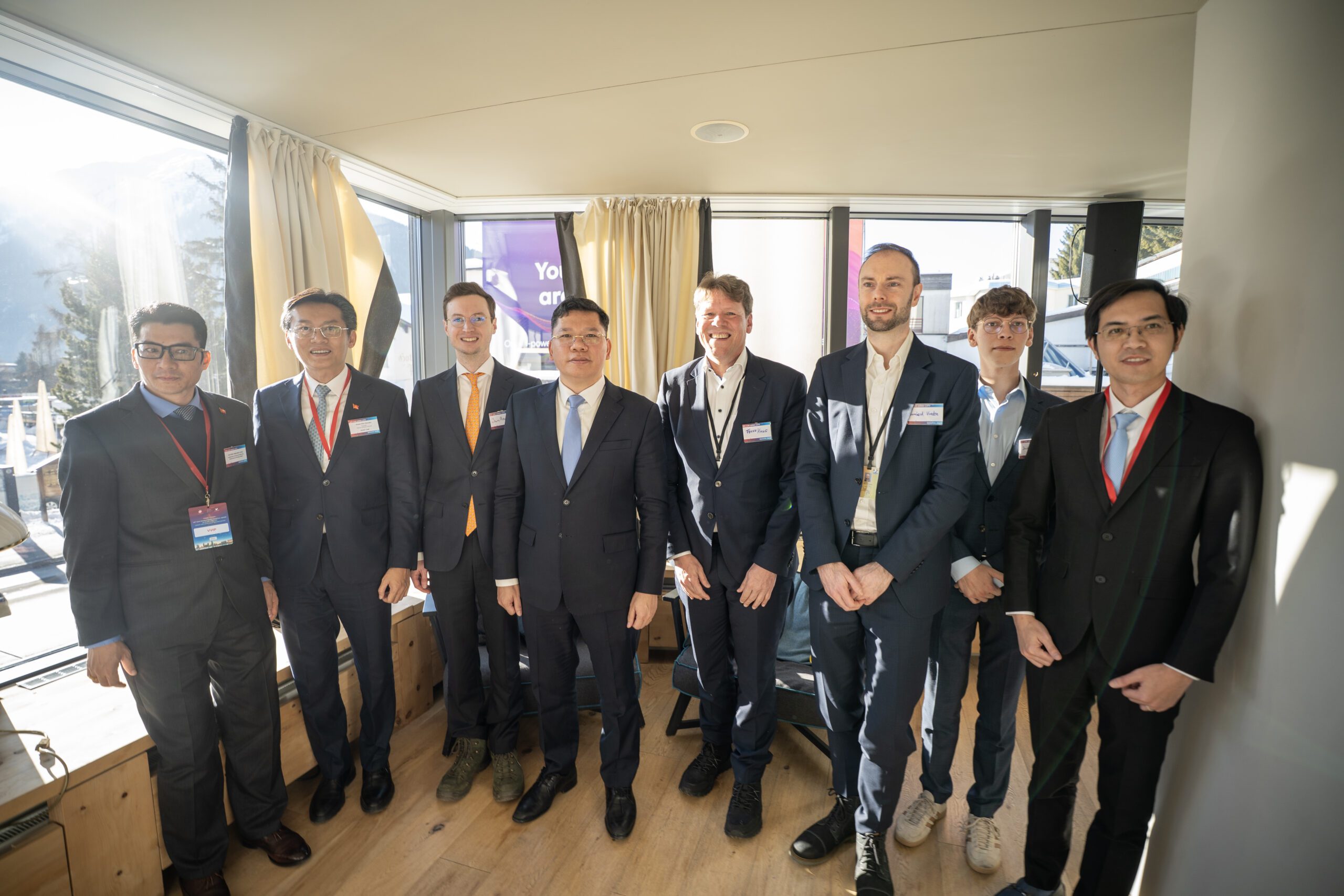
At the working session with the Ho Chi Minh City delegation on the morning of January 21 in Davos, Mr. Frank Haug, Chief Executive Officer of Bodo Möller Chemie Group (Germany), shared the company’s strengths that could support cooperation with Vietnam, including manufacturing, drone production, mechanical services, and aviation chemicals.
The Group recognized the strong commitments and open investment policies of the Vietnamese Government and the Ho Chi Minh City authorities, particularly in high-tech sectors. The Group established a company in Hanoi and has operated in northern Vietnam since 2023, mainly in composite materials for automotive, consumer electronics, and home appliance industries. However, it expressed a strong desire to expand operations in Ho Chi Minh City.
The Group indicated its capability to support Ho Chi Minh City in AI, science and technology applications to reduce energy consumption, cooperation in developing data centers in Vietnam, and fields related to precision mechanics, robotics, adhesives, and industrial joints.
Vice Chairman Hoang Nguyen Dinh stated that the City welcomes and commits to supporting the Group, creating a favorable business environment, and inviting it to expand operations in Vietnam—particularly through coordination with the City’s innovation centers for research collaboration. Both sides agreed to maintain communication through HCMC C4IR and VIFC-HCMC toward long-term cooperation.
8. German House Investor in Ho Chi Minh City
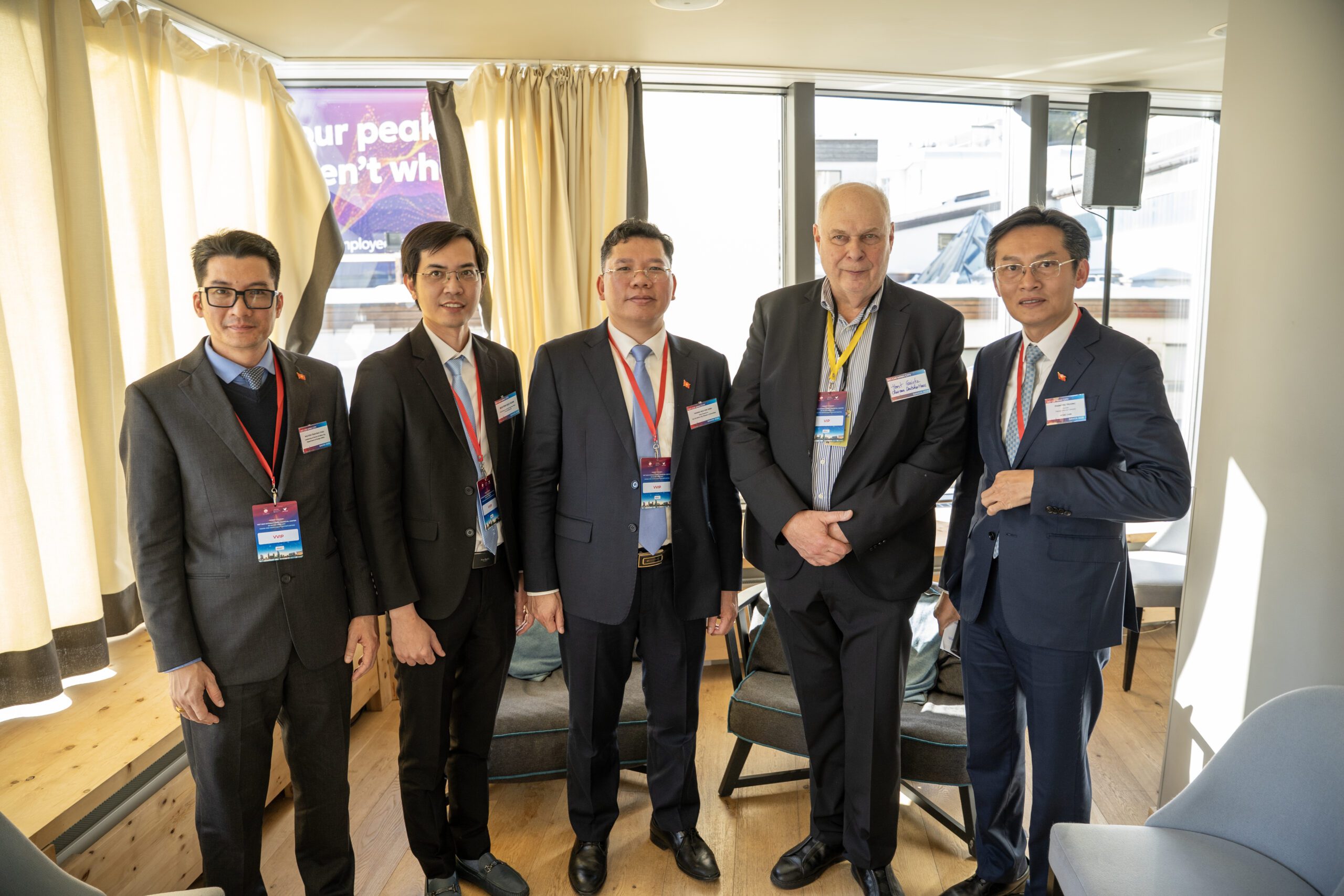
The City leadership delegation also met with Mr. Horst Geicke, Chairman, legal representative, and investor of the German House in Ho Chi Minh City, and representatives of Frankfurt Rhein Main, a company headquartered in the German House.
Mr. Horst Geicke highly praised Ho Chi Minh City’s activities at Davos 2026, noting that after many years of attending Davos–WEF, this was the first time he had witnessed Ho Chi Minh City organizing activities of such scale, depth, and professionalism, creating strong visibility and credibility for Vietnam at Davos 2026. Regarding the International Financial Center (IFC), he suggested that VIFC-HCMC pay attention to real estate products within the IFC. He indicated that detailed proposals would be submitted in writing to Ho Chi Minh City and the VIFC-HCMC Executive Authority.
9. Binance Group
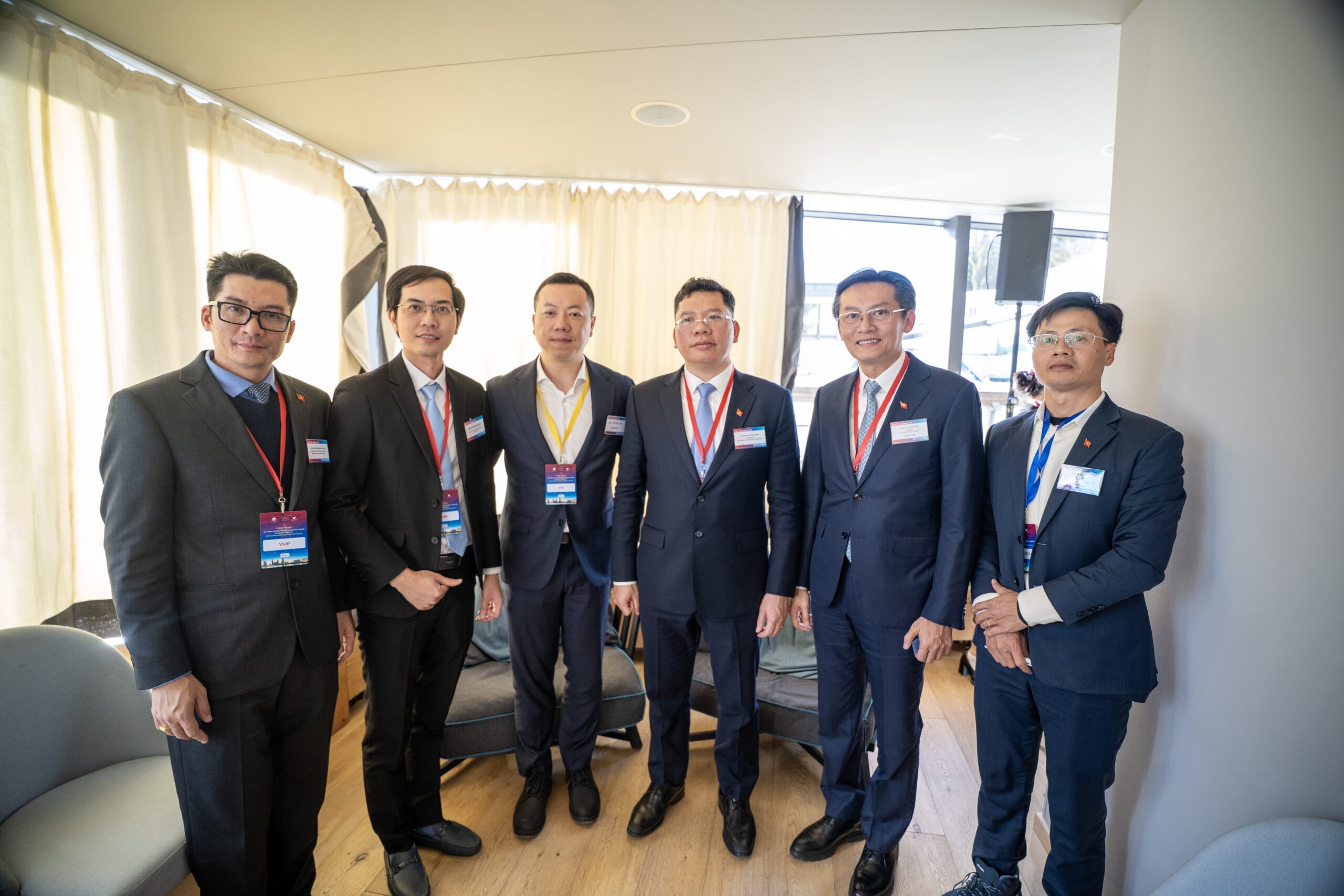
At the meeting with the City delegation on the morning of January 21 in Davos, Mr. Rajiv Nandwani, Global Business Development Lead of Binance, expressed interest in gaining a detailed understanding of Vietnam’s International Financial Center and noted Binance’s honor in becoming a partner of VIFC-HCMC (with the cooperation agreement announced at the 2025 Autumn Economic Forum). Binance also highly valued Vietnam’s development potential in digital assets.
Vice Chairman Hoang Nguyen Dinh stated that Ho Chi Minh City is actively attracting investment in key areas such as green finance and digital finance within VIFC-HCMC and expressed expectations for Binance’s support, including training and investor guidance related to digital assets, taxation policies for digital assets to support state budget revenues, in compliance with legal regulations.
Both sides agreed to promote cooperation in information security, financial safety, anti-money laundering, and creating a favorable investment environment.
10. Lugano City Economic Development Board, Switzerland
Also on the morning of January 21, the City delegation met with Mr. Pietro Poretti, Director of the Economic Development Board of Lugano, Switzerland. He shared that Lugano—located in southern Switzerland—is considered the “Bitcoin Capital” of Europe, where Bitcoin (BTC), Tether (USDT), and the city’s LVGA Points Token are treated as de facto legal tender, allowing residents to use cryptocurrencies for daily transactions. This model is regarded as a successful “institutional laboratory” for cryptocurrency development based on blockchain applications.
Ho Chi Minh City identified this as a valuable model for referencing and piloting sandbox mechanisms within VIFC-HCMC. In the coming period, through HCMC C4IR and in coordination with VIFC-HCMC, both sides will maintain communication, organize study visits, and learn from Lugano’s successful experience to propose and advise on suitable applications in Vietnam.