The digital future: for the common good or private profit?
We face one of the big questions of our time: will the digital future serve the common interests of humanity, or deepen existing inequalities?
While large corporations monopolise technology, the Digital Commons have emerged as a powerful counterweight. They are spaces where knowledge and resources are shared openly, putting collective benefit ahead of individual profit. However, traditional models are struggling to manage these resources.
That is where blockchain comes in. This technology is not just about cryptocurrency; it is a decentralised, transparent system that promises to solve the complex governance challenges of the 21st century.
Protecting the “common assets” of the digital world
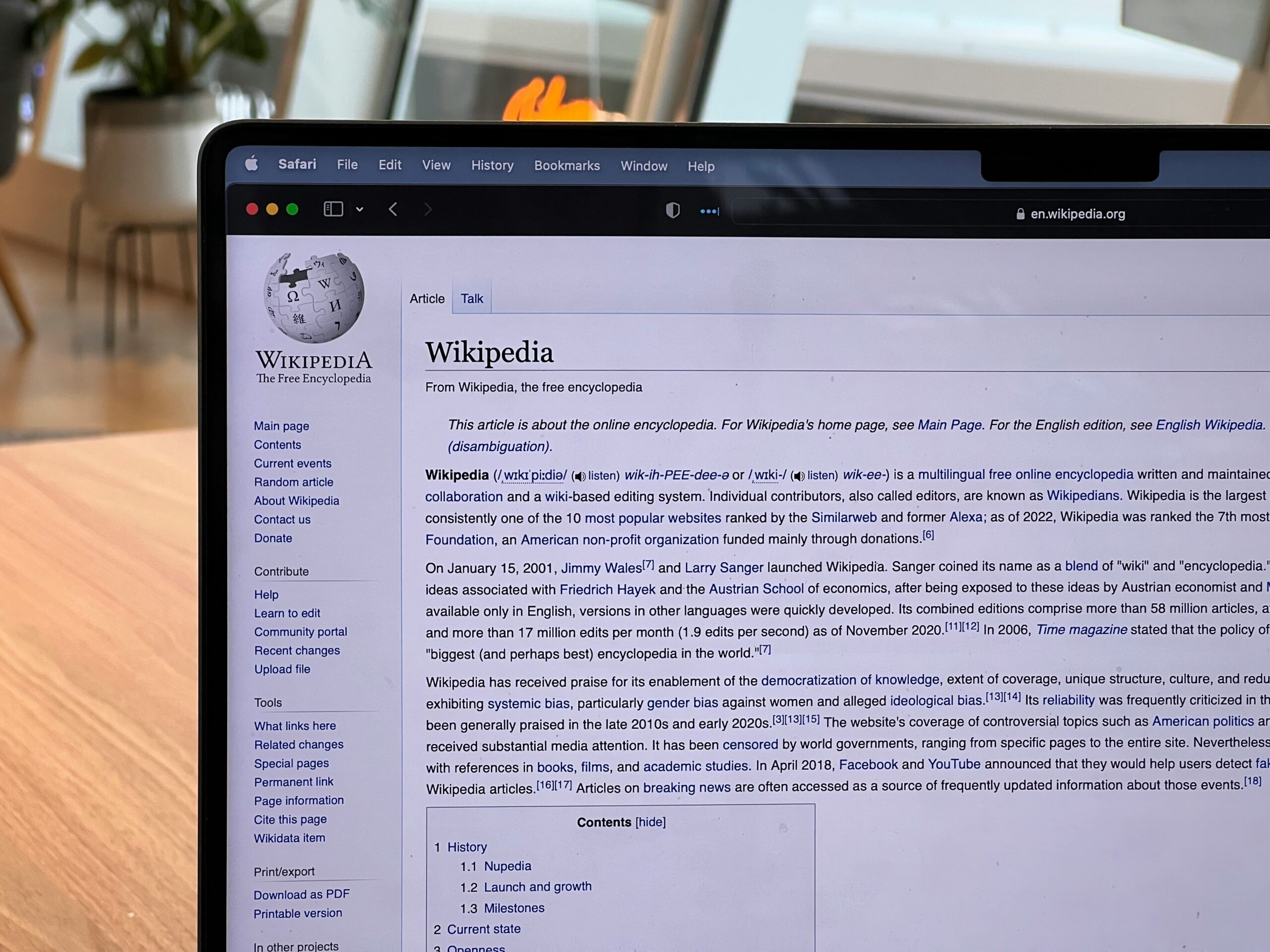
Digital commons are everywhere: from the Linux operating system running millions of servers to the vast knowledge base of Wikipedia. Their strength lies in collective intelligence, where anyone can contribute and access.
But how do you verify who contributed what, and how do people trust one another in an anonymous environment? Blockchain solves this by creating an immutable “ledger”:
- Complete transparency: Every contribution is recorded publicly.
- Recognising contributions: Platforms such as GitCoin use blockchain to raise funds and fairly reward open-source developers.
- Democratisation: Blockchain-based voting systems let communities decide the direction of a project themselves, without a single “boss”.
Upgrading governance models
The digital commons ecosystem is very diverse, and blockchain can take it to a new level:
- Permanent records: Every decision and piece of data can be verified at any time.
- Decentralised autonomous organisations (DAOs): Allowing communities to run themselves democratically through pre-programmed rules.
- Tokenisation: Turning intangible contributions into digital assets, creating economic incentives for participants.
- Smart contracts: Automatically allocating resources fairly and minimising human intervention.
Solving three major challenges
Despite their great potential, community projects still face three major barriers that blockchain can help remove:
- Funding: Non-profit projects often lack capital. NFTs (non-fungible tokens) can help them earn revenue from digital assets while keeping access open to the community.
- Quality control: In an open system, who ensures information is correct? Blockchain uses consensus mechanisms and reputation systems to verify information in a decentralised way.
- Copyright and AI: As AI “learns” from public data, copyright becomes a pressing issue. Blockchain makes it easier to manage licences and intellectual property across borders.
A multilateral handshake is needed
Blockchain cannot do this alone. To succeed, we need combined efforts from many sides:
- Government: A legal framework is needed that recognises decisions made through blockchain and DAOs.
- Education: Decentralised governance thinking and blockchain skills need to be taught (such as the courses offered by Blockchain Commons).
- Practical applications: From healthcare (securing patient data) to education (verifying qualifications, as the EU is doing), the potential is limitless.
Bringing blockchain into the governance of digital resources is not just a technology upgrade, but a revolution in thinking. It reshapes how we create, share and protect human knowledge.
In a volatile world, this offers hope for a fairer and more sustainable future. We need not only to understand technology, but also to become conscious stewards who value and protect humanity’s shared digital resources.
(A feature from the Centre for Frontier Technologies and Innovation)
According to WEF