Elevating cooperation: From experience sharing to value creation
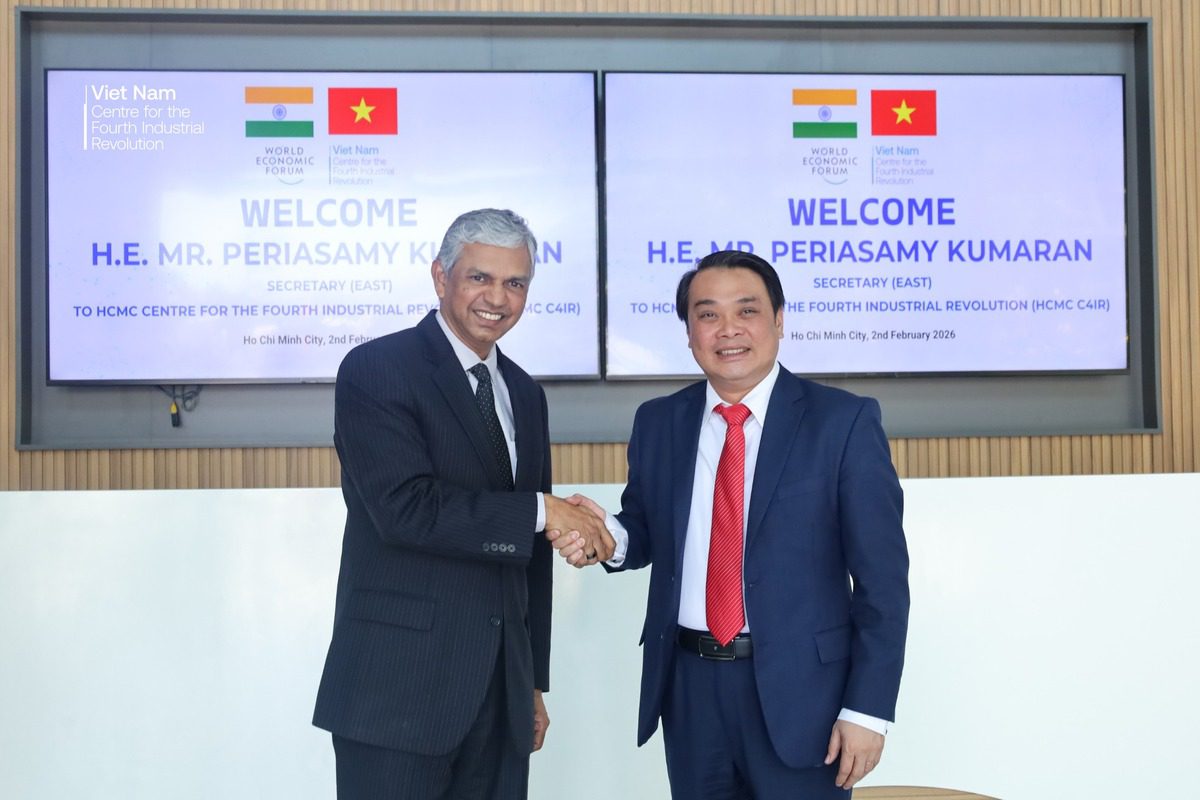
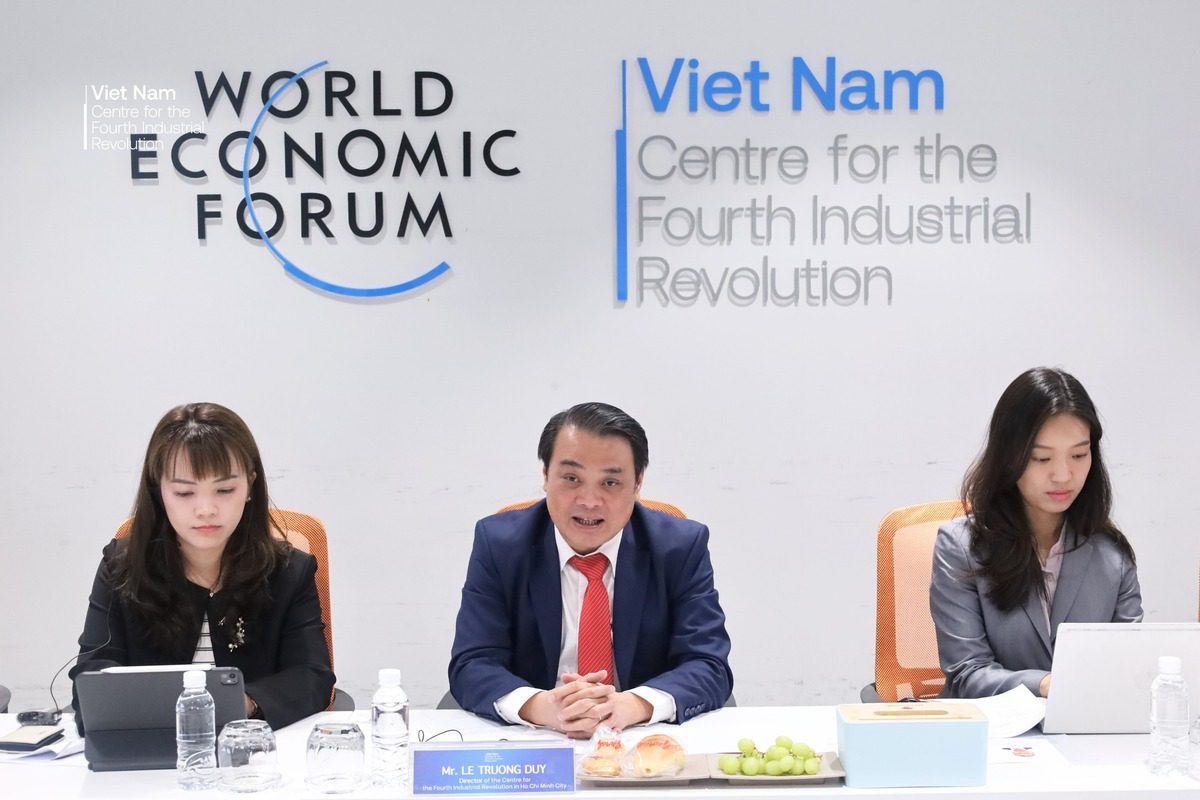
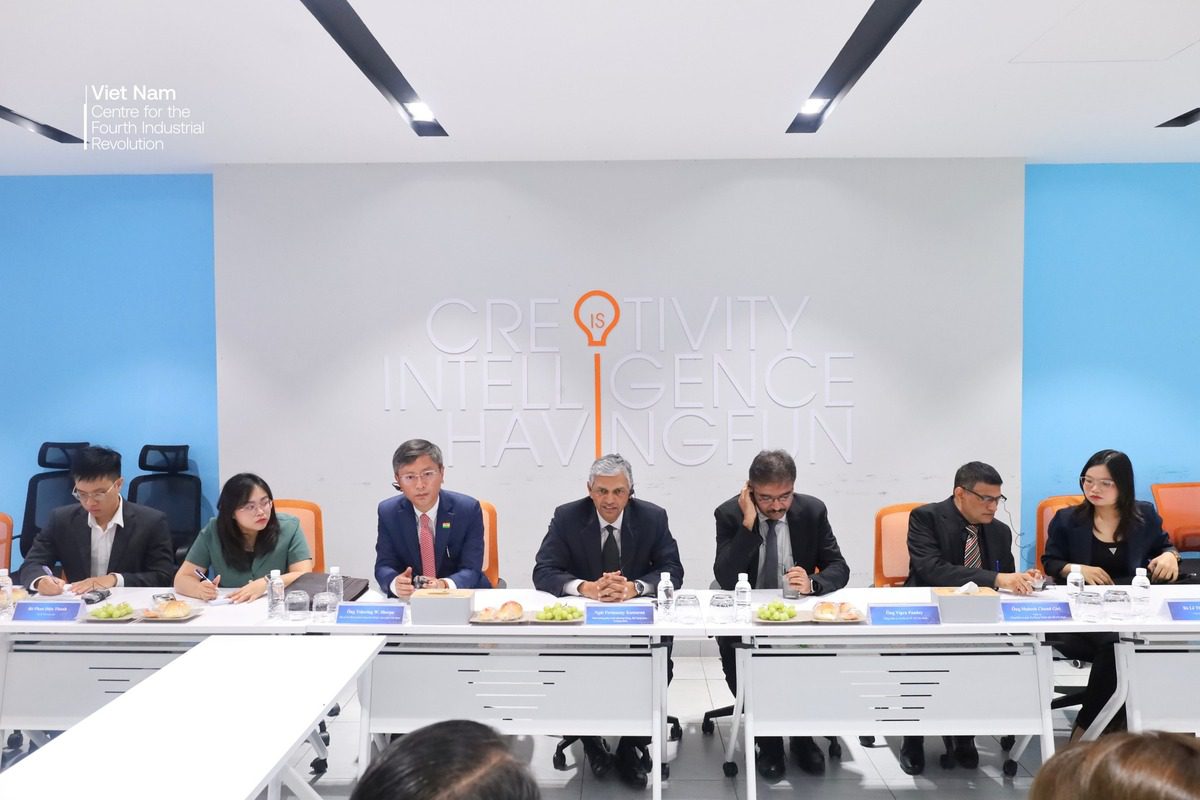
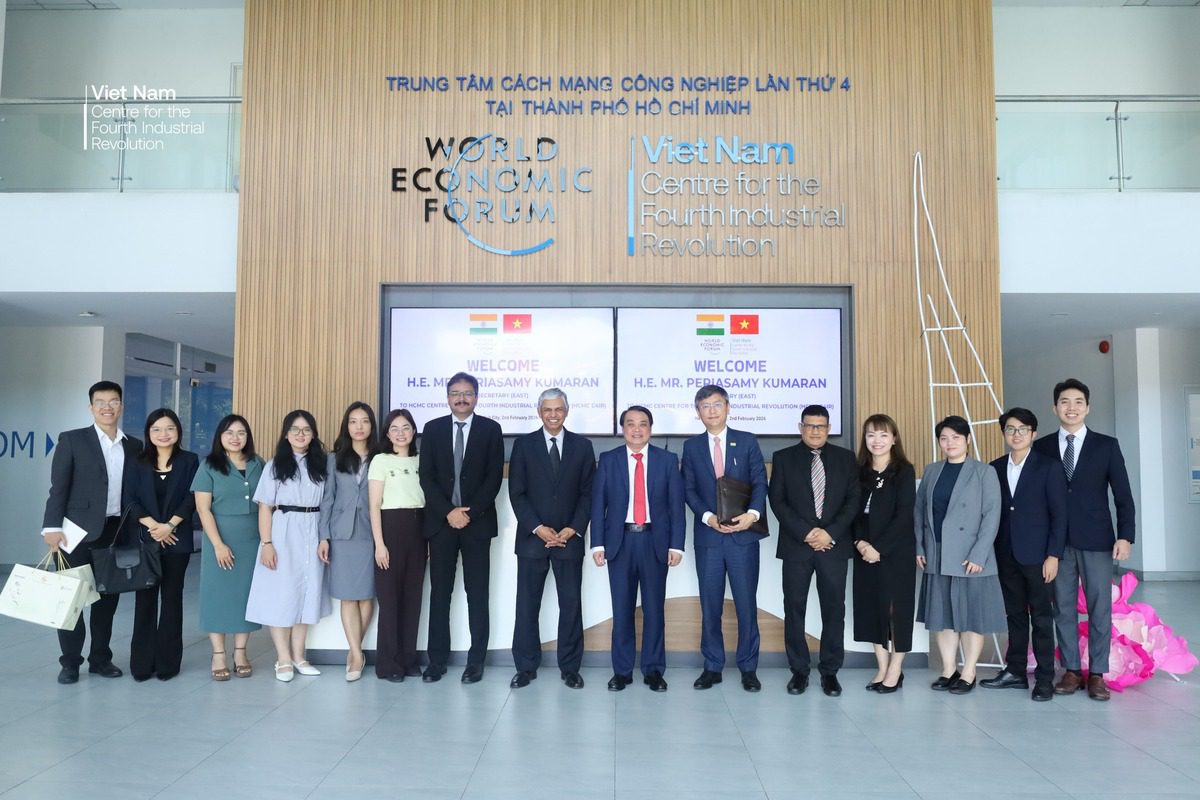
The working session was attended by H.E Periasamy Kumaran, Secretary (East), Ministry of External Affairs of India; H.E Tshering W. Sherpa, Ambassador of India to Vietnam; and Mr. Vipra Pandey, Consul General of India in Ho Chi Minh City. Taking place immediately following the delegation’s meeting with the leadership of the Ho Chi Minh City People's Committee, this event underscored the pivotal role of the Centre for the Fourth Industrial Revolution in Ho Chi Minh City (HCMC C4IR) in translating diplomatic commitments into actionable outcomes.
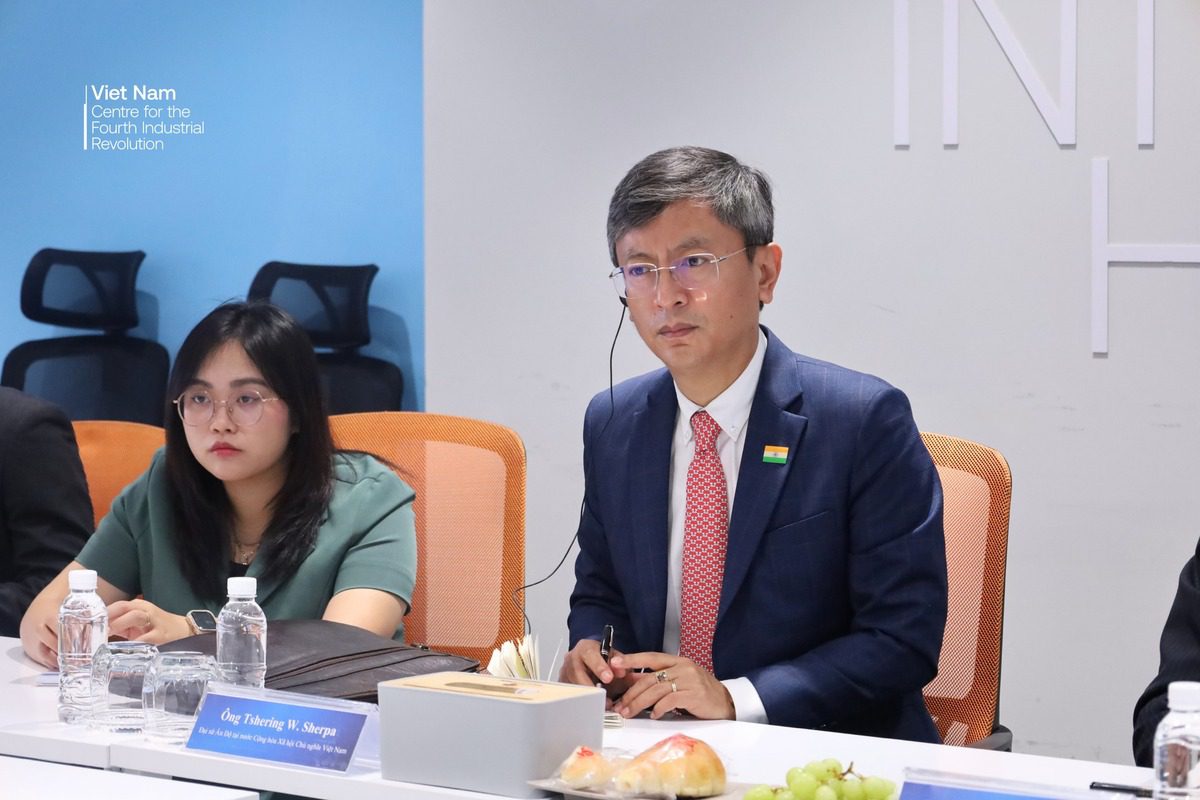
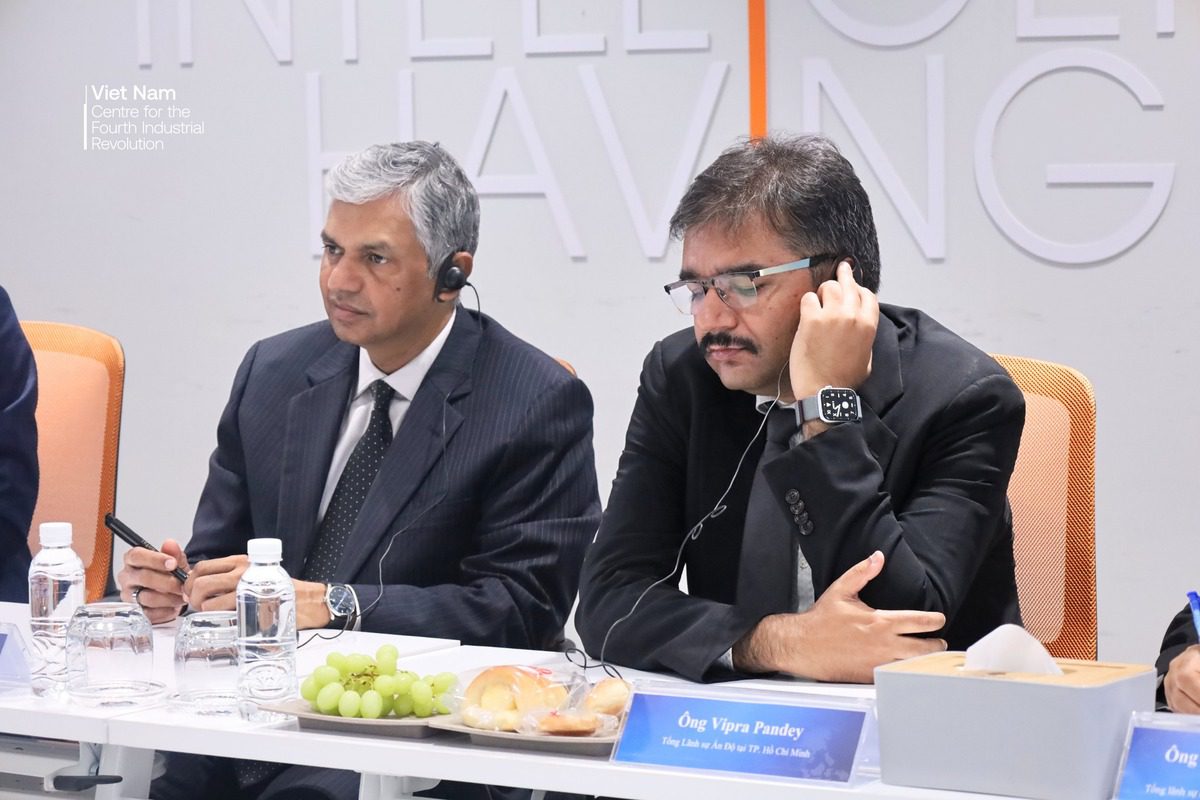
During the reception, HCMC C4IR representatives presented the Centre's unique operational model. Going beyond the traditional role of a policy consultation "sandbox," the Centre actively facilitates connections between financial resources and technology to support enterprise transformation. This approach shares significant similarities with the digital infrastructure development strategies currently being pursued by India.
Strategic proposal: Vietnam-India institute for future technology application in Ho Chi Minh City
A key highlight of the session was the high degree of consensus on "Make in Vietnam - India" cooperation initiatives. Specifically, HCMC C4IR proposed the establishment of the Vietnam-India Institute for Future Technology Application in Ho Chi Minh City.
Distinct from traditional academic models, the Institute is envisioned to operate across a closed-loop value chain: Research (R&D) – Prototyping – Commercialization. The core focus areas will encompass five key sectors where India possesses world-leading strengths: Artificial Intelligence (AI), Semiconductors, Quantum Technology, Biotechnology, and New Energy.
To realize this vision, a "Business Alliance" mechanism following a "10+10" formula was also proposed. Under this framework, both nations would select 10 leading enterprises to spearhead the initiative, creating a linkage axis that integrates an ecosystem of Small and Medium Enterprises (SMEs) into the global supply chain.
Paving the way for the low-altitude economy and smart cities
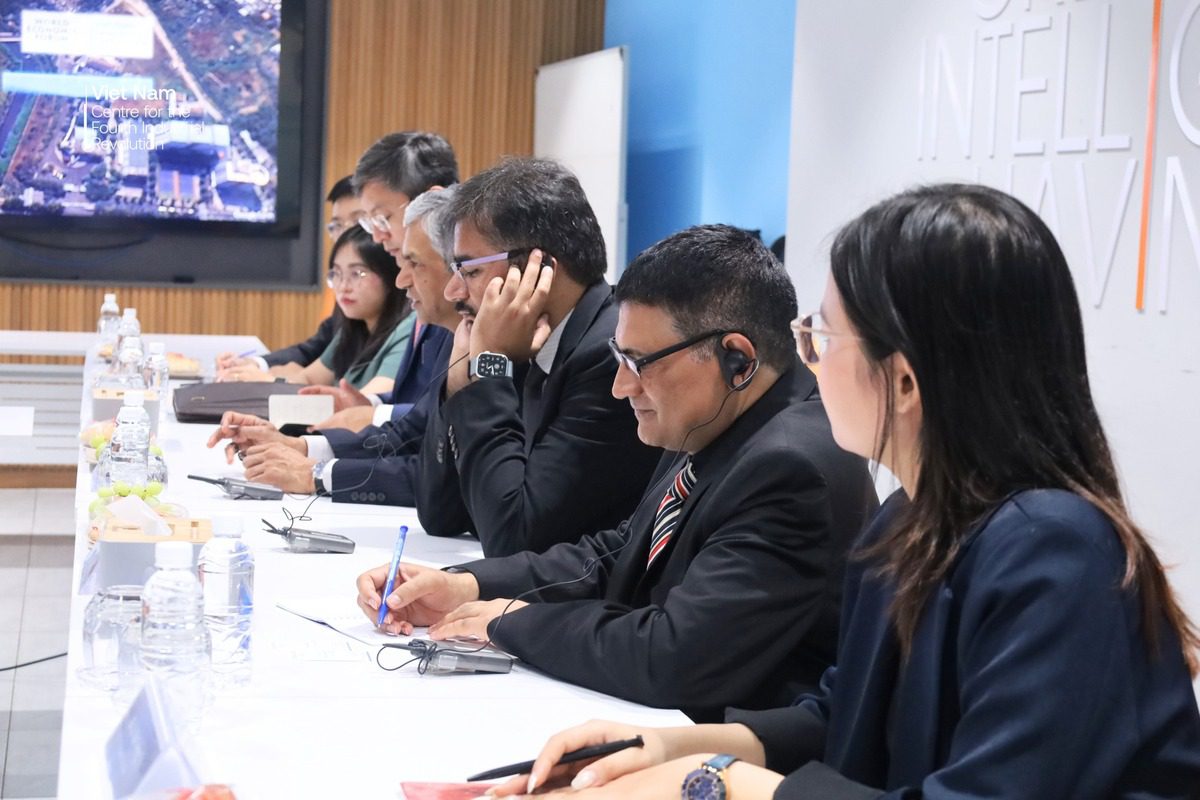
Beyond core technologies, both sides engaged in open exchanges regarding urban governance cooperation. HCMC C4IR expressed a strong desire to learn from India's technology "sandboxes" to apply them to the Low-Altitude Economy in Ho Chi Minh City - covering planning, policy formulation, logistics, and transportation. This is a sector with immense potential that requires a breakthrough legal framework for practical implementation.
Vision towards The 2026 Autumn Economic Forum
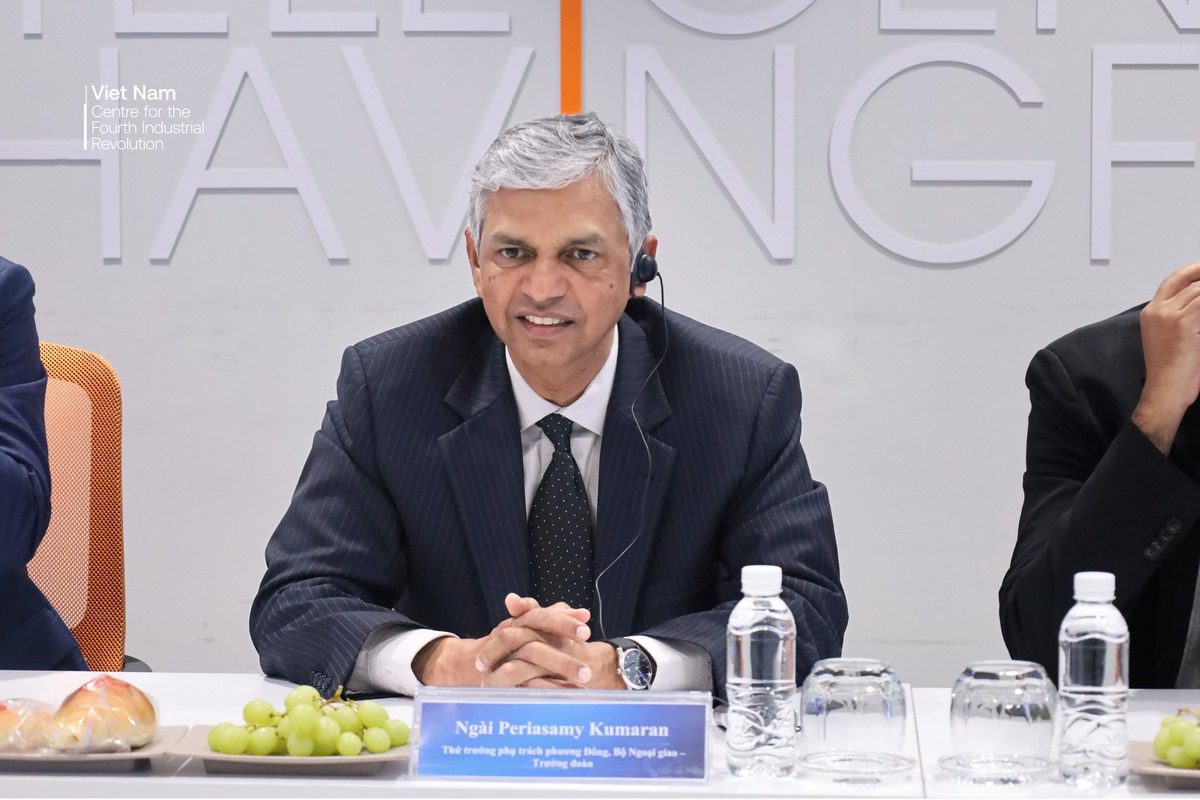
Concluding the session, Secretary (East) Periasamy Kumaran spoke highly of HCMC C4IR's strategic thinking and practical approach. He affirmed that he would coordinate closely with the Embassy and the Consulate General to advance these proposals.
It is anticipated that specific cooperation agreements and the launch of these technology alliances will be key highlights announced at the Autumn Economic Forum, organized by Ho Chi Minh City in collaboration with the World Economic Forum (WEF) in late 2026. This promises to be a new milestone, deepening the Vietnam-India technological partnership and fostering sustainable development.