
The collision between the digital economy and Net Zero goals
The upcoming COP30 climate summit in Brazil takes place as countries face pressure to move from commitments to real action. However, a challenging new variable has emerged and upended forecasts: artificial intelligence.
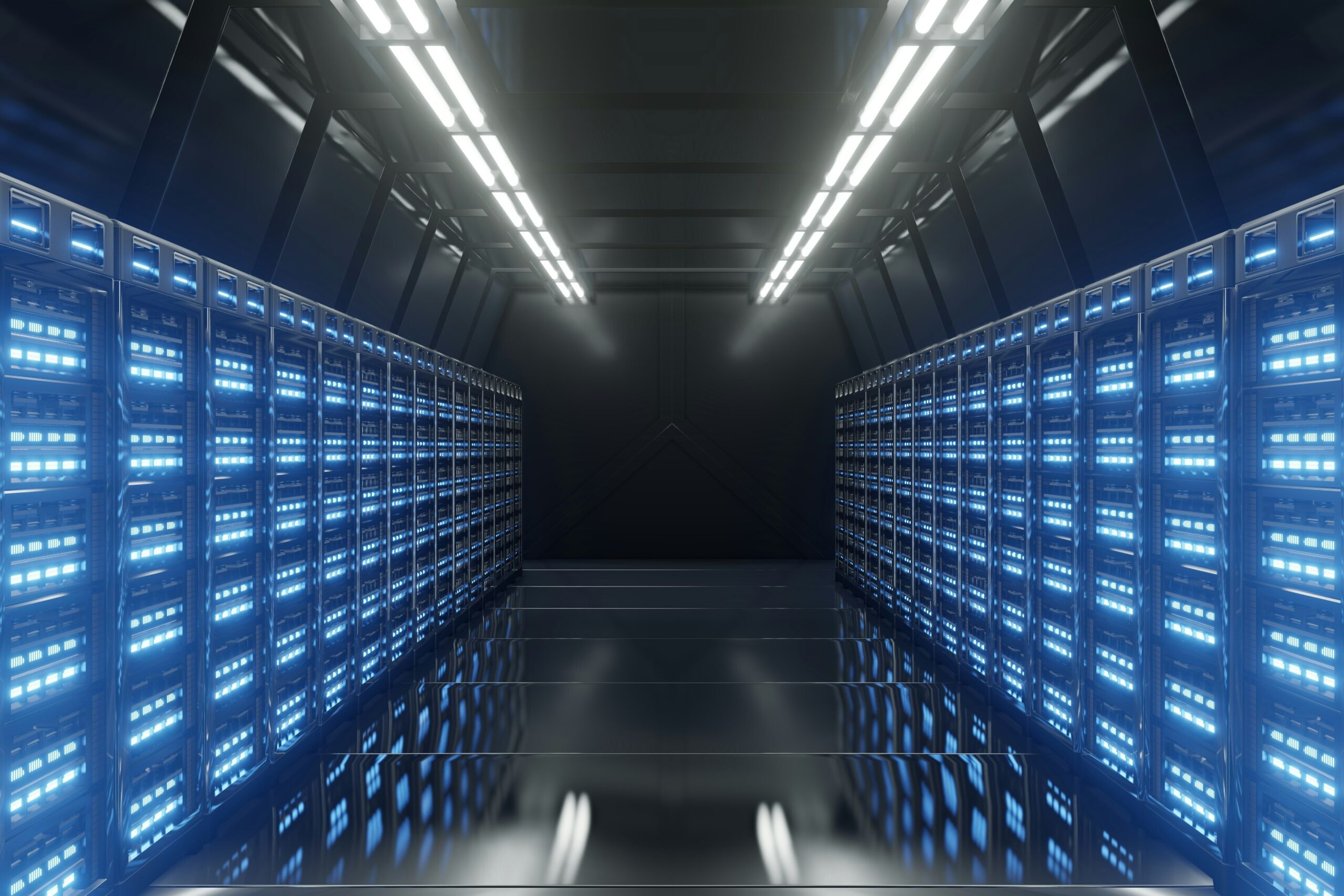
With data centre spending forecast to reach $1.1 trillion by 2029, electricity demand for AI is growing at a breakneck pace. This confronts policymakers worldwide with a vital strategic question: how can we develop the digital economy without derailing green energy planning?
The AI paradox: “power guzzler” or “saviour”?
AI plays a contradictory dual role in the global energy picture. On the one hand, running AI platforms is becoming a burden on the planet’s energy. Data centres and AI chips are now among the most power-hungry machines. The International Energy Agency (IEA) warns that by 2035, data centres in the United States alone could consume up to 8.6% of the country’s total electricity output.
On the other hand, AI outperforms humans in forecasting weather, regulating wind and solar power and balancing grid loads in real time.
Without timely policy intervention, AI will become a “competitor for resources”, draining clean power that should be shared with other essential industries.
A red alert over the “privatisation” of energy infrastructure
This is the biggest bottleneck observers are warning about. Big Tech companies such as Google, Amazon and Microsoft are racing to sign long-term clean power purchase agreements (PPAs), and even investing directly in nuclear and geothermal power for their own use. This trend has three serious consequences:
- Siloed capacity: New clean power flows only to AI servers, creating isolated “energy oases” that do not feed into the shared grid to serve households or industry.
- Technology giants with deep pockets will snap up all the green (ESG) certificates, while small businesses and households are forced to use fossil-fuel power or pay high prices.
- Back pressure on the grid: In the United States, a paradox has emerged in which some coal and gas power plants have had to postpone closure just to meet surging demand from data centres, directly slowing progress towards Net Zero.
Solutions from the “twin transition” model
To resolve this paradox, the world is moving towards a “twin transition” strategy, an organic combination of the digital transition (AI) and the green transition (energy). AI must not be just a passive consumer, but must become the “brain” that runs the energy system.
Strategic directions include:
- Grid optimisation: Applying AI to forecast load accurately and balance the grid, especially given the constant variability of renewable energy (wind, solar).
- Coordinated planning: Ending the spontaneous spread of data centres. The location of AI hubs must be appropriate and factored into overall national grid infrastructure planning.
- Shared responsibility mechanisms: Energy infrastructure invested in by Big Tech must include mechanisms for sharing benefits and capacity with the community, rather than serving only companies’ own interests.
The AI era is not only a race for computing power; at its core, it is becoming a race for energy security. The challenge for Viet Nam and other developing countries is not just how to attract technology “eagles”, but how to live sustainably alongside these “power guzzlers”.
The success of the twin transition strategy will not be decided by the number of data centres built, but by the ability to integrate digital and green infrastructure intelligently. It is time for energy management thinking to move beyond the old habit of “if supply falls short, build more plants” towards “optimising every watt with technology”.
Only when AI is transformed from a consumption burden into an effective “brain” running the grid can the aspiration for a strong digital economy and the Net Zero commitment reach the finish line together. This is no longer a choice, but an imperative for sustainable development in the coming decade.
Source: WEF