According to data from the World Economic Forum (WEF), factories implementing comprehensive digitalization can optimize operating costs by up to 40%, a figure substantial enough to completely pivot a company's competitive standing on the global map. However, in Vietnam, a significant gap remains between ambitious blueprints and the reality on the factory floor.
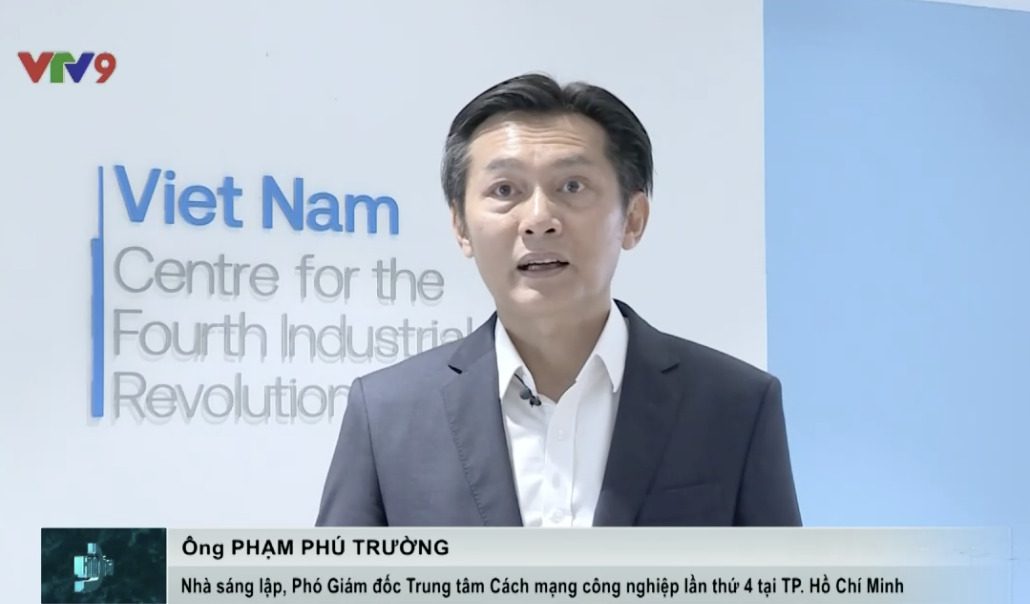
To decode this landscape, Mr. Pham Phu Truong, Founder and Vice Director of the Center for the Fourth Industrial Revolution in Ho Chi Minh City (HCMC C4IR), offered practical perspectives and a roadmap to dismantle barriers for the business community.
The paradox of paper-based strategies
According to Mr. Truong, although current data reflects a robust spirit of innovation—with approximately 70% of businesses in Vietnam having digital transformation strategies in place—behind this optimistic figure lies a reality termed "fragmented transformation."
Many enterprises currently struggle with disjointed digitalization, investing in sporadic machinery without systematic connectivity. Consequently, while revenue might experience impressive growth—in some cases up to 80% with only a 20% increase in personnel—the governance model has not yet achieved the necessary synchronization. Lacking a standard "guiding compass," modernization projects easily fall into the trap of scattered investments, keeping strategies confined to numbers on paper rather than generating tangible value on the production line.
Two walls hindering the breakthrough of SMEs
While multinational corporations possess abundant financial resources to engineer their own digital ecosystems, small and medium-sized enterprises (SMEs) face systemic barriers.
The first is the technology matrix. Amidst an array of advertised solutions, executives often fall into "analysis paralysis," unable to identify the optimal tools that balance investment costs with practical efficiency.
However, the most critical "bottleneck" lies in the financial wall. Mr. Truong emphasized that Vietnam currently lacks a specialized credit ecosystem for digital transformation. The fact that banks maintain a lending mindset based on tangible collateral rather than cash flows and technology-driven growth potential has directly neutralized upgrade opportunities for ambitious businesses. This is the knot that must be untied to foster a genuine wave of smart manufacturing.
Decoding modern digital "weapons"
To break the psychological barrier of tech apprehension, leadership must view digital infrastructure through the lens of operational efficiency rather than technical complexity. Two primary pillars driving this trend are Industrial AI (Edge AI) and Digital Twins.

By deploying the AI "brain" directly to edge devices via low-latency networks, machines can operate autonomously and report errors in real-time. Combined with a Digital Twin—a perfect virtual replica of the physical factory—managers gain the ability to "see through" all production line fluctuations and forecast risks before they occur. These are no longer sci-fi concepts but measurable tools for transparency and precision in modern corporate governance.
A roadmap for a new manufacturing era
Facing these challenges, the Vice Director of HCMC C4IR proposed a fundamental three-step roadmap:
- Repositioning the human element: Digital transformation must begin with a mindset transformation. Training personnel capable of mastering technology must be executed decisively, from academic environments to hands-on training on the factory floor.
- Investing in specialized digital infrastructure: Focus resources on core technologies capable of generating immediate value for the executive board in making data-driven decisions.
- Building specialized financial mechanisms: The government needs to play a leading role by unlocking credit flows and creating support packages based on businesses' transparent transformation roadmaps.
As a bridge between policy and execution, HCMC C4IR commits to accompanying the business community in establishing smart manufacturing standards. The ultimate goal is not only to help enterprises overcome technological barriers but to forge these strategies into a sharp competitive advantage in a volatile international market.