ActivitiesInternational cooperationHCMC C4IR promotes high-tech and green economy cooperation with IM Motors

HCMC C4IR promotes high-tech and green economy cooperation with IM Motors

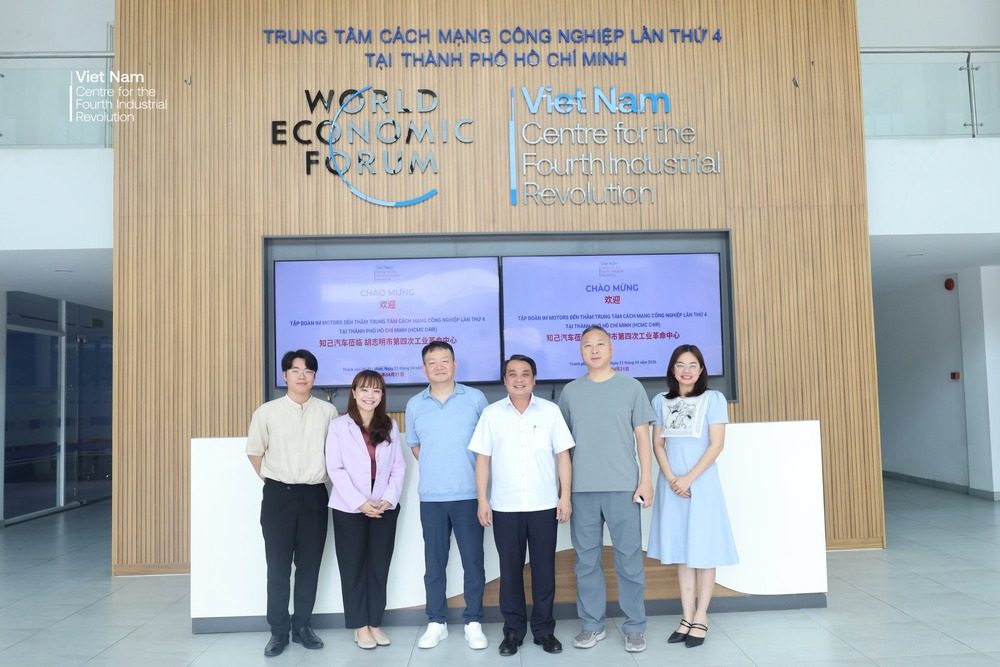
On April 21, 2026, the Centre for the Fourth Industrial Revolution in Ho Chi Minh City (HCMC C4IR) held a strategic working session with a high-level delegation from IM Motors and major Chinese investment funds to open a new chapter in pioneering technology cooperation.

Representing the partners were Mr. Wang Zhi, Chairman of the Shanghai Haode Investment Fund, and Mr. Zhang Liang, Chairman of Sichuan Huarui Corporation. This is a crucial step in seeking cooperation opportunities in pioneering sectors such as electric vehicles, the low-altitude economy, and smart seaports.
HCMC C4IR thúc đẩy hợp tác công nghệ cao và kinh tế xanh cùng IM Motors
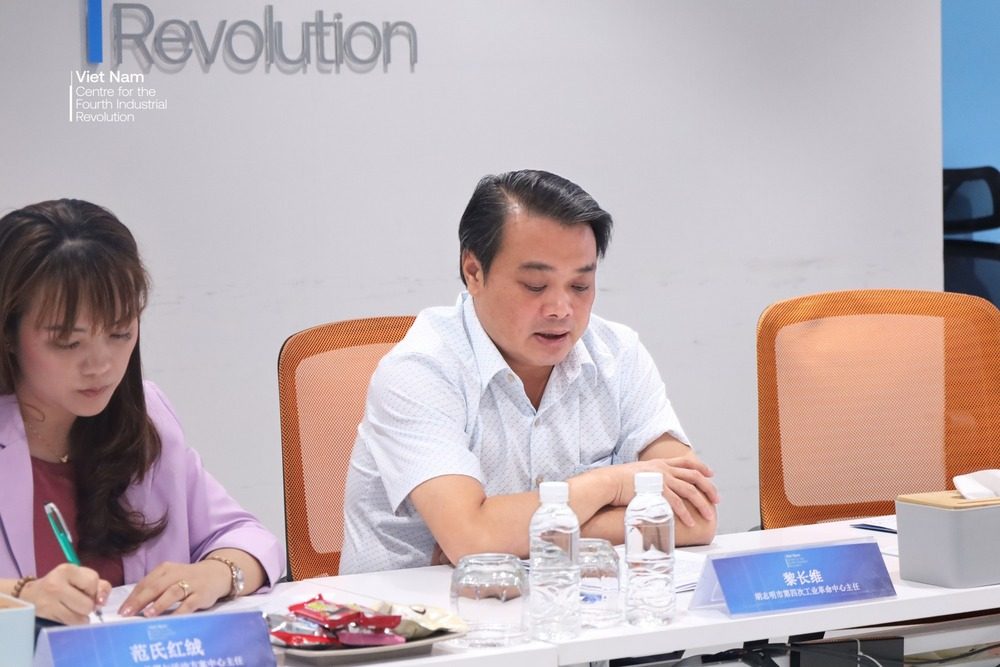
Mr. Le Truong Duy, Director of HCMC C4IR, at the working session.

During the meeting, IM Motors representatives expressed their desire to expand investments in seaports, shipbuilding, and particularly the low-altitude economy in Vietnam. Leveraging its existing strengths in electric vehicle manufacturing, the enterprise aims to transition vehicle engines to unmanned aerial vehicles (delivery drones) and flying taxis to help optimize operational costs. Additionally, IM Motors shared its experience in applying AI and robotics to smart port operations and autonomous, driverless container trucks currently being successfully deployed in China.
HCMC C4IR thúc đẩy hợp tác công nghệ cao và kinh tế xanh cùng IM Motors
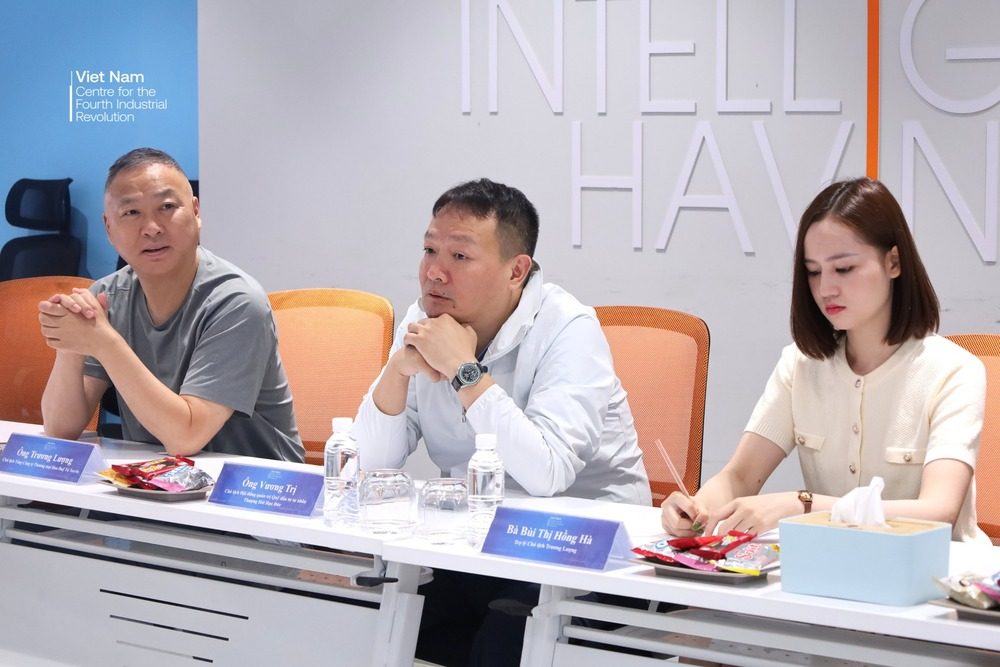
Mr. Wang Zhi (center), Chairman of the Shanghai Haode Investment Fund, and Mr. Zhang Liang (left), Chairman of Sichuan Huarui Corporation, at the working session.

In response, Mr. Le Truong Duy, Director of HCMC C4IR, advised on strategic locations such as the former Ba Ria - Vung Tau region to leverage the advantages of the Cai Mep - Thi Vai deep-water port cluster, and the former Binh Duong region for manufacturing electric vehicles and smart robots.

To align with the current state of transport infrastructure, the Centre proposed that the enterprise prioritize developing autonomous taxi models for public civilian use rather than focusing on road freight transport. Furthermore, HCMC C4IR emphasized that positioning manufacturing projects near port and airport systems will create a logistical competitive advantage for the business.
HCMC C4IR thúc đẩy hợp tác công nghệ cao và kinh tế xanh cùng IM Motors

Hai bên đã thống nhất lộ trình triển khai thông qua việc gửi thư mời hợp tác chính thức từ phía IM Motors tới HCMC C4IR. Ngoài ra, Giám đốc Trung tâm cũng khuyến khích doanh nghiệp sớm thành lập văn phòng đại diện và trung tâm R&D về kinh tế tầm thấp ngay tại Thành phố. Đặc biệt, dự kiến trong tháng 5 tới, lãnh đạo hai bên sẽ cùng khảo sát thực địa tại các khu công nghiệp trọng điểm như Phú Mỹ 3 và Cái Mép để xác lập định hướng đầu tư cụ thể.

Related

Latest

00:02:23

Consultation conference on the draft plan to promote smart manufacturing in Ho Chi Minh City: Connecting expertise – creating momentum for growth

On July 24, 2026, the Vietnam Centre for the Fourth Industrial Revolution in Ho Chi Minh City (HCMC C4IR) successfully organized the “Consultation Conference on the Draft Plan to Promote Smart Manufacturing in Ho Chi Minh City for the Period Through 2035.”

Vietnam and Singapore boost cooperation in semiconductor industry development

Phát biểu chào mừng, ông Cao Xuân Thắng, Tham...

Vietnam - Singapore Semiconductor Industry Development Cooperation Forum 2026: Connecting the value chain, expanding investment opportunities, and developing human resources

On July 21, 2026, the Vietnam – Singapore Semiconductor Industry Development Cooperation Forum 2026 will take place at the QTSC Building 1 Hall, Quang Trung Software City, Ho Chi Minh City. The Centre for the Fourth Industrial Revolution in Ho Chi Minh City (HCMC C4IR) will participate as a co-organizer and deliver a presentation at the Forum.

Hội tụ công nghệ: Vì sao doanh nghiệp cần bản đồ chiến lược

Các doanh nghiệp hiếm khi đánh mất lợi thế cạnh tranh chỉ vì một công nghệ mới ra đời. Sự tụt hậu thường bắt nguồn từ một điểm mù: họ không lường trước được sức mạnh khi các công nghệ tưởng chừng rời rạc bắt đầu tích hợp với nhau.

Báo cáo Hội tụ công nghệ 2026 của WEF: Khi sở hữu công nghệ không còn là lợi thế cạnh tranh cốt lõi

Diễn đàn Kinh tế Thế giới (WEF) phối hợp cùng Capgemini vừa công bố ấn bản thứ hai của báo cáo Technology Convergence: The New Logic for Competitive Advantage (tháng 4/2026). Nếu ấn bản 2025 tập trung nhận diện các tổ hợp công nghệ, thì ấn bản năm nay giải quyết một bài toán chiến lược phức tạp hơn: cách thức chuyển hóa tổ hợp công nghệ thành một hệ thống vận hành thực tế ở quy mô lớn.